










Foreign Office of Pakistan has announced that Pakistan in cooperation with United Nations High Commissioner for Refugees will host a two-day ‘International Conference’ in Islamabad on February 17-18 to mark “40 years of Afghan Refugees presences in Pakistan: A New Partnership for Solidarity. Prime Minister Imran Khan will inaugurate the conference. The upcoming conference will be attended by (UNCHR) ministers and senior officials from around 20 countries.
Since Pakistan’s independence in 1947, Pakistan is hosting millions of refugees from India, millions of refugees from Bangladesh in 1971 and millions of refugees from Afghanistan in 1979, and are still living here.
Let’s take a review of Afghan Refugees staying in Pakistan.
Afghan Refugees: Arrival and Statistics
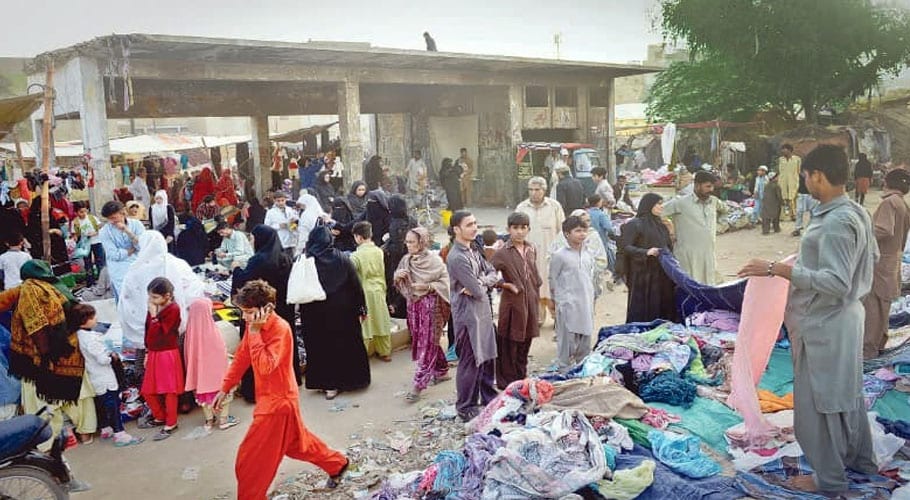
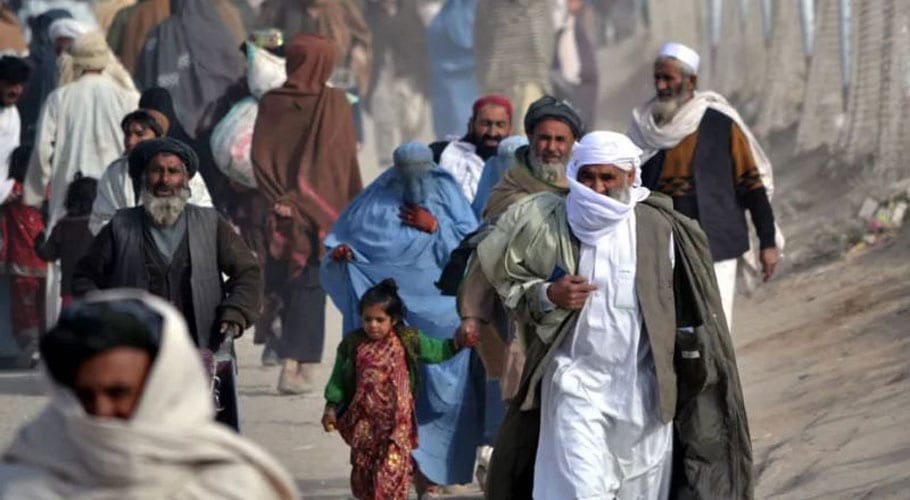
The 1979 Soviet invasion marks the first wave of internal displacement and refugee flow from Afghanistan to Pakistan. Then in 1992, when the rebels in Afghanistan took over control of Kabul and the major cities, a lot of Afghans again migrated to Pakistan. A total of 6.3 million Afghan refugees were hosted in Pakistan. Despite the lack of resources, Pakistan gave shelter to its Afghan brothers and gave them all support. There may be millions of Afghan refugees in Pakistan — a million and a half officially registered and perhaps twice as many unregistered.
According to the International Organization for Migration (IOM), Afghans Refugees can be categorized as Proof-of-Registration (PoR) Cardholders and therefore refugees In Pakistan. As per IOM figures, Pakistan hosts 1.3 million registered Afghan refugees (PoR-Card holders) and 1.1 million unregistered.
Dividing into provinces, Khyber Pakhtunkhwa has 8 lakhs Afghan refugees, 3 lakhs 20 thousand Afghan refugees living in Balochistan, One lakh 60 thousand in Punjab and 63 thousand Afghan refugees living in Sindh.
There are 56 camps for refugees across the country, but only 4 lakh Afghan refugees are living there, with the remaining 62 percent living in different cities.
Afghan government
When speaking of Pak-Afghan relations, many often ignore the fact that the history of Pakistan and Afghanistan did not start in 1979 but dates back to the years before that too. Relations between Pakistan and Afghanistan have been strained since 1947, as Afghanistan was the only country to vote against Pakistan’s admission to the United Nations. Afghanistan has always criticized Pakistan and have a stab in the back.
Problems faced by Pakistan
For 40 years, Pakistan has suffered its peace due to the hospitality of Afghan Refugees. Providing education and health care to the refugees, infrastructure was destroyed and economic difficulties. One of the most important areas that have been profoundly affected by the security situation in Afghanistan is Pakistan’s internal security environment. Pakistan has been continuously extending the stay of Afghan Refugees since 2007 and the current permit will be expired on June 30.
More than 3 million Afghan Refugees are not only a burden on the Pakistani economy, but also involved in disgraceful activities. The arrival of Afghan refugees into Pakistan has increased sectarian violence, drug trafficking, terrorism, and organized crime. In 2007, 337 Afghan nationals were arrested for illegally traveling to Saudi Arabia for performing Hajj on fake Pakistani passports. According to the Pakistan government, 90 percent of terrorist attacks in Pakistan are traced to Afghan Refugee camps.
Pakistan’s commitment
Pakistan has proved its sincerity as a brotherly neighboring country by hosting a record number of Afghan refugees. Prime Minister Imran Khan’s vision is that the Afghan refugees return home respectfully. All issues with Afghanistan are being resolved peacefully in this regard. In September 2017, PM Imran also pledged to grant citizenship to 1.5 million Afghan Refugees. Therefore an international conference has also been organized. The Conference is being organized at an important juncture when efforts at consolidating peace in Afghanistan are making progress.
ADVERTISEMENT