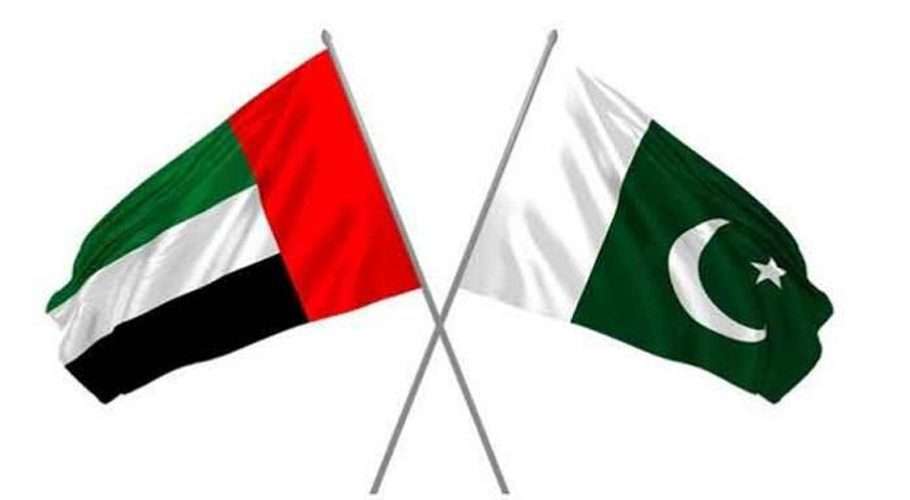
ISLAMABAD: In what appears to be carefully worded statement, Pakistan has issued a strong condemnation of the attacks on the United Arab Emirates’ civilian infrastructure, while pointedly avoiding direct attribution to Iran.
The statement, released by Prime Minister Shehbaz Sharif on X (formerly Twitter) here on Tuesday, underscores Islamabad’s ongoing attempt to maintain its delicate balancing act in the increasingly volatile Middle East conflict.
Pakistan strongly condemns the missile and drone attacks on civilian infrastructure in the United Arab Emirates last night. I express full solidarity with His Highness @MohamedBinZayed. Pakistan stands firmly with our Emirati brothers and sisters as well as with the Government of…
— Shehbaz Sharif (@CMShehbaz) May 5, 2026
In his message, Prime Minister Sharif expressed “full solidarity” with UAE President Mohamed bin Zayed, extending his support to the “Emirati brothers and sisters” and the UAE government.
Notably, the Prime Minister’s statement omitted any reference to the perpetrator of the attacks, despite the UAE’s explicit attribution to Iran. Instead, the Prime Minister focused on the necessity of regional de-escalation:
“It is absolutely essential that the ceasefire be upheld and respected, to allow necessary diplomatic space for dialogue leading to enduring peace and stability in the region.”
A Delicate Diplomatic Balance
Middle East observers view the Prime Minister’s choice of language as a wise effort to preserve Pakistan’s strategic neutrality. Islamabad has historically maintained robust economic and security ties with the UAE, while simultaneously managing a complex, often fraught, relationship with Tehran.
This latest statement follows a pattern of Pakistani diplomatic engagement in the region, including Islamabad’s active role in mediating the temporary ceasefire between Washington and Tehran that took effect in early April.
https://archive.mmnews.tv/suspected-drone-strike-hits-fujairah-oil-zone/
The Fujairah incident on May 4, it may be added here, has rattled regional stability, with the UAE characterizing the drone and missile strikes as a “serious escalation” and a “direct threat” to its national security. The attack—which caused a significant fire at the Fujairah Oil Industry Zone—has reignited concerns that energy infrastructure and global supply lines remain highly vulnerable, despite previous diplomatic efforts to temper hostilities.
For Pakistan, the stakes are significant. Beyond regional security, an intensified conflict threatens to disrupt crucial energy imports and strain the country’s fragile external accounts, which have been a primary focus of the current administration’s economic policy.
By calling for a swift return to a ceasefire, Islamabad appears to be signaling that it remains committed to using its diplomatic channels to prevent a broader collapse of regional stability.