











At a time when Pakistan is striving to host historic peace talks between the United States and Iran as sole mediator, a fresh wave of targeted killings has once again drawn attention to allegations of Indian intelligence involvement inside the country.
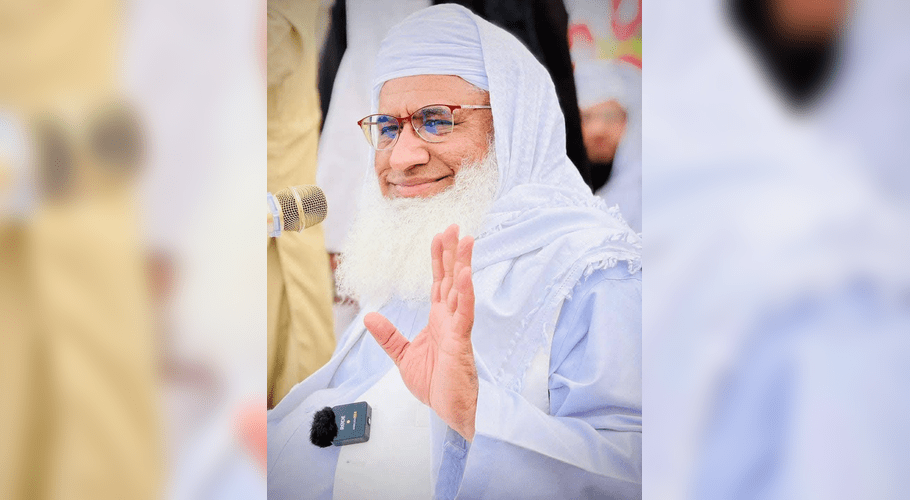
On Sunday, April 26, Sheikh Yousuf Afridi, a local leader reportedly affiliated with Lashkar‑e‑Taiba and a prominent religious scholar of the Zakhakhel tribe in Khyber, was gunned down in Landi Kotal, triggering celebrations across Indian media.
#BREAKING | Lashkar-e-Taiba (LeT) top commander Sheikh Afridi killed by unknown gunmen in Khyber Pakhtunkhwa@deepduttajourno reports pic.twitter.com/YKAcnHJQl6
— NDTV (@ndtv) April 27, 2026
Police sources said unidentified assailants opened indiscriminate fire on Afridi before fleeing the scene. Afridi, who was reportedly providing manpower to ISIS factions fighting the Taliban in Afghanistan, was considered a key figure among Salafi circles in the tribal district.
It is important to mention here that in the Afridi tribal structure, there is no hereditary or customary title of Sheikh. Tribal leadership is based on lineage, jirga authority, and clan hierarchy. However, within religious movements such as Ahle‑e‑Hadith, Salafi groups, or Lashkar‑e‑Taiba, the honorific Sheikh is commonly used to denote a religious scholar or preacher. Thus, while Afridi tribesmen themselves do not confer “Sheikh” as a tribal title, figures like Yousuf Afridi are branded Sheikh within the religious party hierarchy to signal scholarly or spiritual authority.
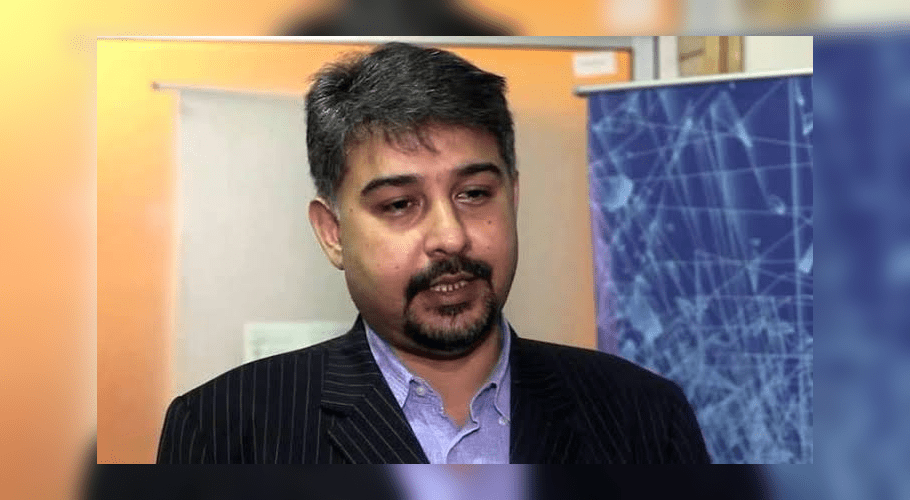
The latest killing comes less than a year after the assassination of Razaullah Nizamani, a 50‑year‑old religious‑cum‑social worker and vice‑president of the Markazi Muslim League in Matli, Badin. Nizamani was shot multiple times by motorbike‑borne gunmen near Phulkara Chowk on May 18, 2025, and succumbed to his injuries at a local hospital. The Sindh Counter‑Terrorism Department later alleged that the murder was financed and facilitated by India’s Research and Analysis Wing (RAW) through a banned separatist outfit, claiming an “Indian national” had provided the target and paid Rs 3 million for the hit.
These incidents add to a growing list of targeted killings inside Pakistan that authorities and international media have linked to Indian intelligence operations. Reports by The Guardian and The Washington Post have previously documented around 20 assassinations since 2020, including the deaths of Zahoor Mistry in Karachi, Syed Khalid Raza in Karachi, Muhammad Riaz in Pakistan‑administered Kashmir, and Shahid Latif in Sialkot.
https://archive.mmnews.tv/tarar-claims-links-of-terrorism-in-pakistan-trace-back-to-india/
Pakistani officials maintain that RAW has orchestrated these killings through sleeper cells and hired local operatives, often using intermediaries based in the United Arab Emirates.
With the addition of Nizamani in 2025 and Afridi in 2026, the toll of alleged RAW‑linked assassinations now stands at 22–24, underscoring the persistence of covert violence even as Islamabad positions itself as a mediator in one of the most consequential peace initiatives of recent decades.