KARACHI: A devastating HIV outbreak has shaken the city of Taunsa in Punjab, where routine medical care at a government hospital exposed children to contaminated injections, reveals BBC in its investigative report, adding that families are mourning the loss of young lives and struggling with the reality of lifelong diagnoses.
Between November 2024 and October 2025, at least 331 children tested positive for HIV. Investigations traced the outbreak to THQ Taunsa, a government hospital where unsafe injection practices were widespread. Authorities suspended the hospital’s medical superintendent in March 2025 and promised reforms, but undercover reporting later revealed that dangerous practices continued.
BBC Eye’s investigation documented syringes being reused on multi‑dose vials, medicine from the same vial administered to different children, and staff injecting patients without sterile gloves. Despite posters on the walls promoting safe practices, the footage showed systemic negligence and disregard for infection control.
Experts reviewing the evidence confirmed that reused syringe bodies can transmit HIV even when new needles are attached. They warned that the problem reflects deeper weaknesses in Pakistan’s healthcare system, where accountability and enforcement of safety standards remain inadequate.
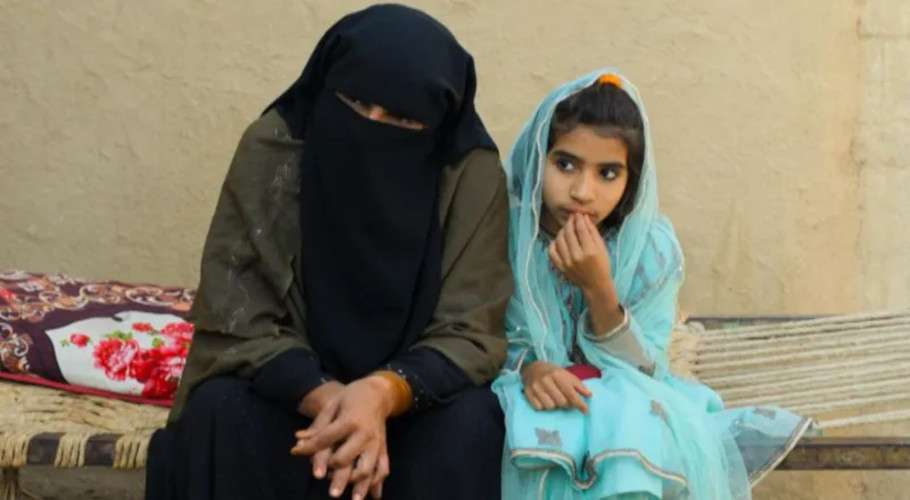
For families like Sughra’s, who lost her eight‑year‑old son Mohammed Amin and now cares for her ten‑year‑old daughter Asma living with HIV, the tragedy is deeply personal. Their story underscores the human toll of institutional failures and highlights the urgent need for reform.
Accordig to BBC report, the crux of the crisis is clear: despite promises of reform, unsafe medical practices persisted, leading to one of the most alarming child HIV outbreaks in Pakistan’s recent history.