










LONDON/NEW YORK: Global oil prices hovered near $98 a barrel on Tuesday, stabilizing after a period of extreme volatility as traders weighed the fragile geopolitical landscape against a brief de-escalation in Middle East tensions earlier this month.
West Texas Intermediate (WTI) crude, the U.S. benchmark, was trading around $97–$98 per barrel, marking a modest daily decline of approximately 1.8%. Meanwhile, Brent crude, the international standard, softened slightly to trade near $98–$99 per barrel.
The current price levels represent a significant rebound from a sharp sell-off witnessed just last week.
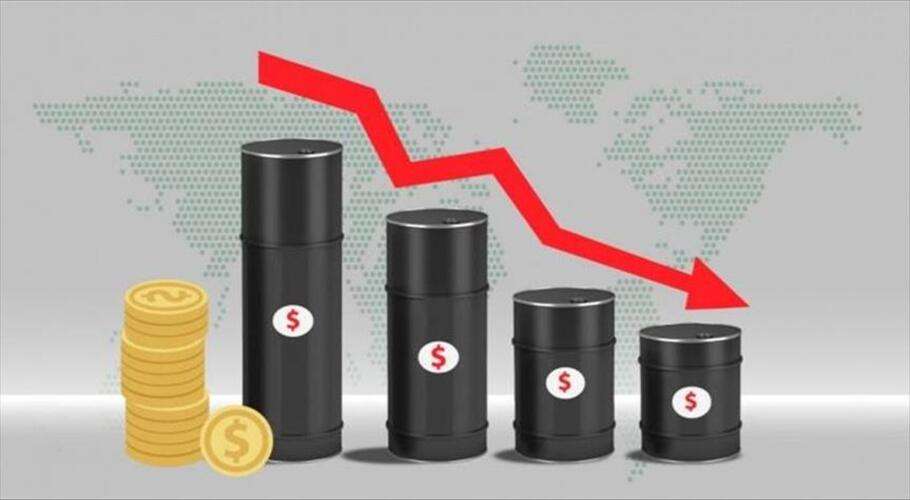
On April 8-9, prices plummeted by more than 13% in a single session following reports of a U.S.-Iran ceasefire agreement. That breakthrough briefly eased fears of a full-scale disruption in the Strait of Hormuz—a chokepoint responsible for a fifth of global oil supply—sending WTI as low as $94.41.
However, the “ceasefire discount” proved short-lived. Analysts noted that while the initial news triggered a relief rally in equities and a crash in crude, the complexity of a long-term truce has since kept the market on edge.
“The market remains in a state of high alert,” said an energy strategist at a major London-based bank. “While we are off the intraday peaks of $120 seen in March, the lack of a finalized, verifiable peace framework means a significant risk premium is still baked into every barrel.”
The volatility in April, it may be added here, follows a turbulent first quarter for 2026. In March, Brent crude spiked toward $120 per barrel as the conflict involving Iran intensified, raising the specter of a prolonged blockade.
Current prices remain elevated compared to pre-crisis levels, despite the recent moderation. Market participants are now looking toward upcoming OPEC+ deliberations and fresh signals on global demand to determine if crude will break back above the $100 threshold or continue its gradual descent toward $90.