










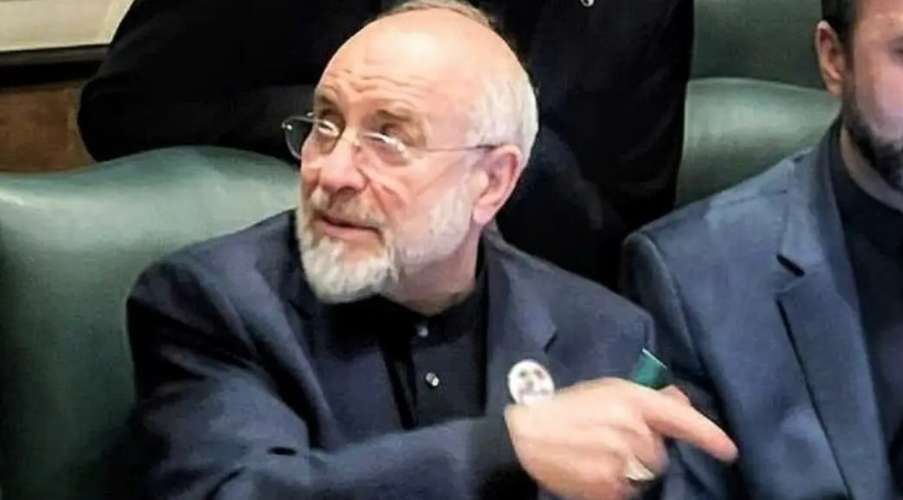
ISLAMABAD: Hours after the collapse of US–Iran negotiations in Islamabad on Sunday, Iran’s parliament speaker and one of top negotiator Mohammad Bagher Ghalibaf declared that while Tehran came to the table in “good faith,” the scars of past wars have left it unwilling to trust Washington—warning that America must now decide whether it can earn Iran’s confidence or risk further stalemate.
Ghalibaf, taking to X (formerly Twitter) after a marathon 21-hour round of talks, said the Iranian delegation had advanced “forward-looking initiatives” through its colleagues, but the opposing side failed to convince Tehran of its sincerity. “America has understood our logic and principles, and now it’s time for it to decide whether it can earn our trust or not,” he remarked, underscoring that trust remains the central obstacle in the negotiations.
۱/پیش از مذاکرات تأکید کردم که ما حسن نیت و ارادهٔ لازم را داریم ولی به دلیل تجربیات دو جنگ قبلی، اعتمادی به طرف مقابل نداریم.
همکاران من در هیئت ایرانی میناب۱۶۸ ابتکارات رو به جلویی مطرح کردند ولی طرف مقابل در نهایت نتوانست در این دور از مذاکرات اعتماد هیئت ایرانی را جلب کند.
— محمدباقر قالیباف | MB Ghalibaf (@mb_ghalibaf) April 12, 2026
He stressed that Iran views diplomacy as an extension of its broader struggle to uphold national rights, alongside military defense. “We consider every mirror to be another method of authority diplomacy, alongside military struggle, for upholding the rights of the Iranian nation,” Ghalibaf said, vowing that Tehran would not relent in consolidating the achievements of what he described as “forty days of Iran’s national defense.”
The negotiator also expressed gratitude to Pakistan for hosting and facilitating the talks, calling it a “friendly and brotherly country” and extending his regards to the Pakistani people. His remarks highlighted Islamabad’s role as a mediator, even as the talks ended without breakthrough.
https://archive.mmnews.tv/iran-says-no-one-expected-deal-in-one-stting/
Ghalibaf paid tribute to the Iranian public, describing the nation as “a body with 90 million souls” whose support, guided by the Supreme Leader, had empowered the delegation. He praised the resilience of ordinary Iranians who “took to the streets” to back their representatives, and lauded his colleagues for their endurance during the intense negotiations: “Well done, God strengthen you.”
The collapse of the Islamabad talks marks another setback in efforts to bridge differences between Washington and Tehran, with trust deficits and the legacy of past conflicts continuing to overshadow diplomatic overtures. For now, Iran’s message is clear: the burden lies on America to prove it can be trusted.