










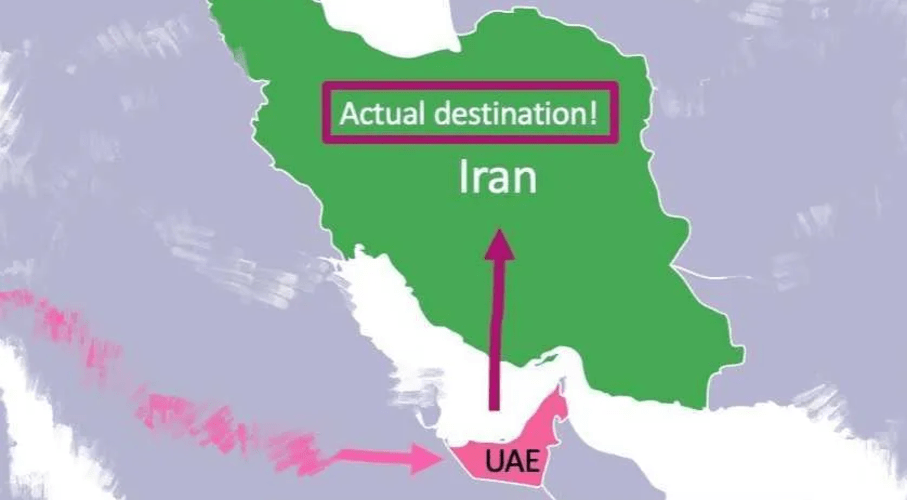
DUBAI: The United Arab Emirates is reported to have imposed an immediate ban on the entry and transit of Iranian passport holders through Dubai International Airport and more broadly across the country, airline advisories and immigration systems showed on Wednesday.
Official notices issued to carriers including Flydubai and Emirates, seen by MM News, said the measure took effect immediately and is being enforced operationally at airports. The Flydubai advisory, cited in multiple reports, said the ban applied to all Iranian nationals “without exception,” including holders of valid UAE residency visas such as Golden Visas, tourist visas and visit visas.
The restrictions have left Iranian nationals currently outside the UAE — including long-term residents — unable to re‑enter, with entry applications rejected in official systems, airline sources and passengers said. Some Iranian residents have been ordered to leave the country within 30 days and there are widespread accounts of residency visas being cancelled abruptly, particularly for those who were travelling abroad, leaving some stranded at airports while family members of other nationalities were allowed to return.
Narrow carve-outs appear to exist in some cases for immediate family of UAE nationals with prior approval and for certain high‑value professionals and business figures, including some Golden Visa holders, athletes, senior bankers, doctors, engineers and investors, people familiar with the situation said. But the core Flydubai notice published in airline briefings was stricter, prompting carriers to advise travellers to confirm eligibility directly before booking.
There has been no public statement from the UAE government; the measures have so far been communicated through airline advisories and internal immigration channels.
The move appears to be part of a wider campaign by authorities to curb Iranian‑linked activity in the emirates, according to multiple sources. MM News has learnt that residency permits tied to Iranian interests are being cancelled en masse and that some Iranian schools, a hospital and other institutions have been closed or downsized in Dubai.
The UAE’s action follows a sharp escalation in regional tensions.
In late March, Iran launched a large series of ballistic and cruise missile and drone strikes against the UAE — which the UAE said involved hundreds of attempted strikes, with most intercepted but some allegedly causing civilian casualties and damage to infrastructure including airports and hotels. The UAE branded the strikes “terrorist attacks,” closed its embassy in Tehran and withdrew its ambassador, accusing Iran of breaching its sovereignty.
The U.S. Embassy in Abu Dhabi issued a security alert on March 31 warning of ongoing risks from Iranian drone and missile attacks and threats to U.S.‑linked sites, while the U.S. travel advisory for the UAE remains at Level 3: “reconsider travel.”
UAE officials have said publicly that they view Iranian networks and individuals in the country as potential security risks amid the conflict; Dubai has long hosted a sizable Iranian expatriate and business community. The latest measures are aimed at tightening controls on those networks as the security situation intensifies.