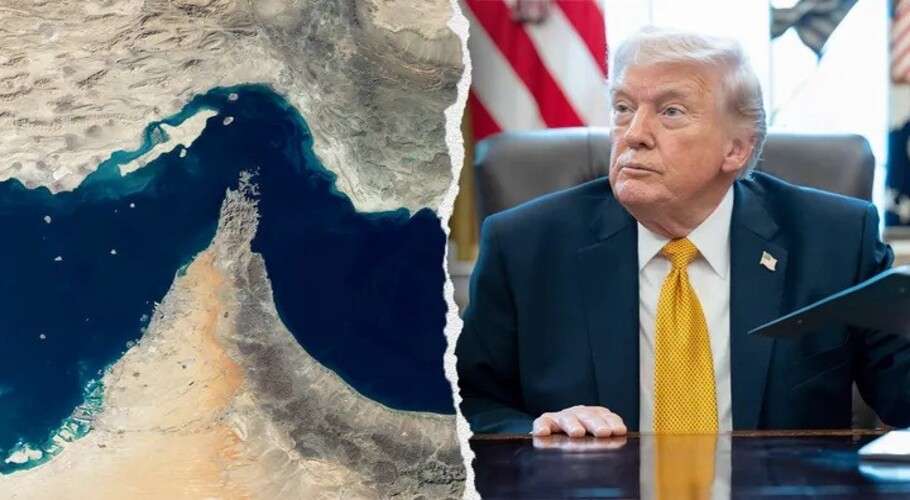
Iranian representatives have let the Trump administration know they have a high bar for re-entering negotiations for a cease-fire deal with the Islamic Revolutionary Guard Corps consolidating power within the shattered Iranian regime, making demands such as the closure of all American bases in the Gulf and reparations for attacks on Iran, said people familiar with the matter.
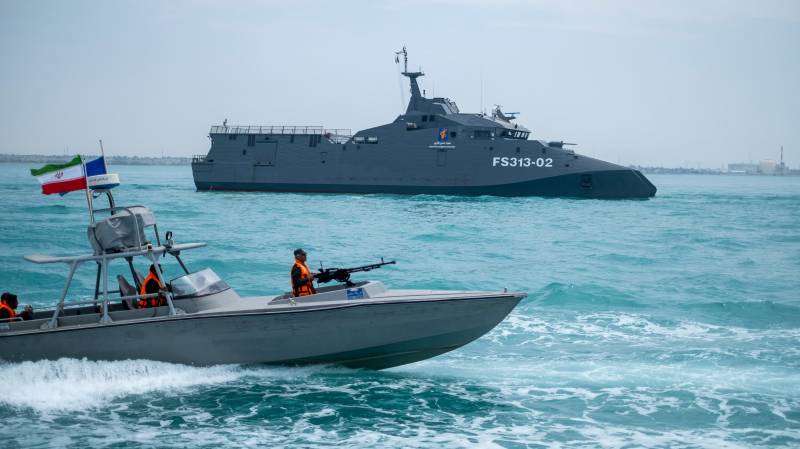
According to a report in Wall Street Journal, Iran’s negotiating position is being shaped by the Islamic Revolutionary Guard Corps (IRGC), which has consolidated influence within the country’s leadership following weeks of conflict.
In addition to the removal of US military presence in the Gulf, Tehran is also seeking reparations for damage caused by US and Israeli strikes, signalling a maximalist stance that US officials have described as unrealistic.
Arab and US officials were quoted by the report as saying that the tough demands could make reaching a deal harder than before the conflict began, with early diplomatic messages exchanged through regional intermediaries rather than direct contact between Washington and Tehran.
IRAN LAYS OUT BROAD SET OF CONDITIONS
According to the report, Iran’s conditions go beyond military withdrawals and include strategic and economic demands tied to regional security and energy routes.
Among the key demands conveyed by Iranian representatives:
• Closure of all American military bases in the Gulf
• Financial reparations for attacks on Iran
• A new framework governing the Strait of Hormuz that would allow Iran to collect fees from ships passing through the waterway, similar to Egypt’s Suez Canal
• Guarantees that hostilities would not resume
• An end to Israeli strikes on Iran-aligned Lebanese militia Hezbollah
• Removal of all sanctions imposed on Iran
• Permission to retain its missile programme without negotiations to limit it
US officials described the demands as “ridiculous and unrealistic,” according to the report, reflecting the wide gap between the two sides as diplomatic efforts continue through intermediaries in West Asia.
The report also mentioned that mediators, including regional actors, are attempting to facilitate indirect talks, although both sides remain far apart on core issues.
TRUMP SIGNALS DIPLOMATIC OPENING
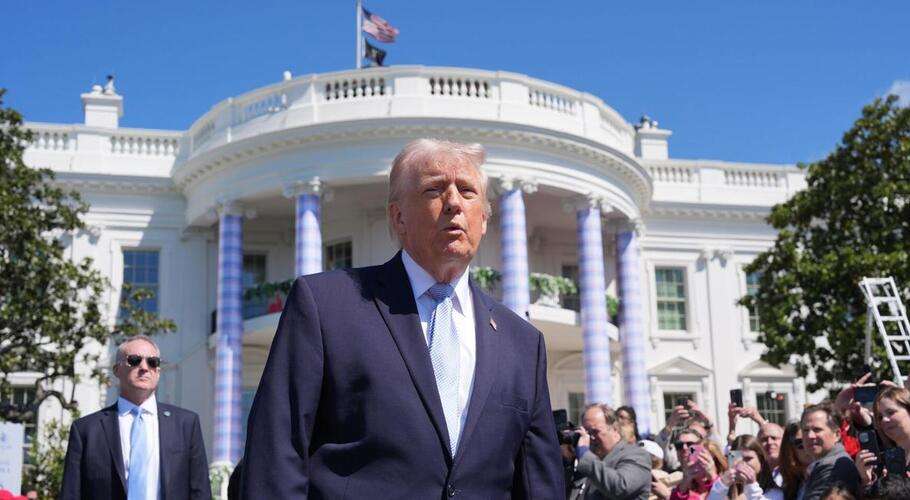
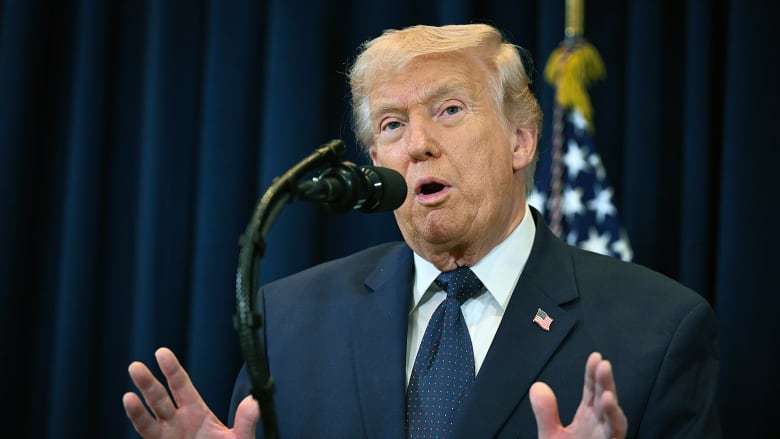
Despite Iran’s hardline position, US President Donald Trump has voiced optimism about the prospects for negotiations, saying Washington is currently engaged in discussions with Tehran.
Trump said the United States had received what he described as a significant gesture linked to the Strait of Hormuz, a critical maritime route through which roughly one-fifth of global oil supply passes.
Iran later indicated it would allow safe passage for “non-hostile vessels” through the strait, according to a message circulated via the International Maritime Organisation, AFP said.
The development contributed to a drop of nearly six per cent in benchmark oil prices amid hopes of de-escalation, even as the conflict has caused volatility in global energy markets.
Trump said Washington had sent a peace proposal to Iran and indicated that discussions involve senior officials, including Vice President JD Vance.