LONDON: The US‑Israel‑Iran war that erupted on Feb. 28 has plunged the global airline industry into its worst crisis since the COVID‑19 pandemic, wiping about $53 billion off the market value of the 20 largest publicly listed carriers while triggering mass flight cancellations and soaring fuel costs, industry data and executives said.
A recent Financial Times analysis shows “the 20 largest publicly listed airlines have lost about $53 billion in market capitalization since the war started on February 28, 2026,” underscoring the scale of investor pain as regional airspace closures upend long‑haul networks.
Airspace shutdowns at Gulf hubs including Dubai, Doha and Abu Dhabi have grounded flights and left passengers stranded while forcing many carriers to take longer, fuel‑hungry routings that have narrowed the once‑bustling Europe‑Asia market.
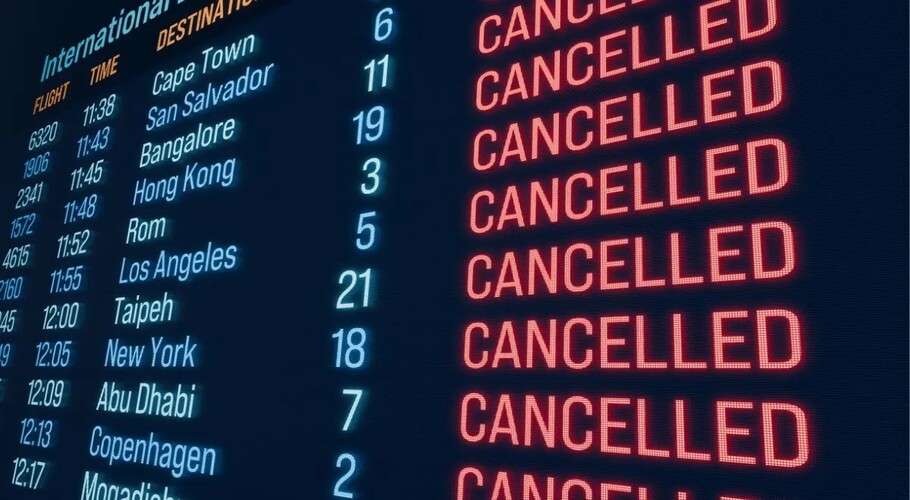
Aviation data firm Cirium reported more than 46,000 flights to and from the Middle East have been cancelled since Feb. 28. Other industry tallies put early cancellations in the region at roughly 30,000 and said more than a million passengers were affected as closures spread across Iran, Iraq, Qatar, Kuwait and UAE hubs.
Data research shows Emirates and Qatar Airways faced the heaviest disruption in the early days, each cancelling over 400 flights initially, with Emirates exceeding 2,000 cancellations by early March as Dubai’s hub was effectively shuttered. Major international carriers including Lufthansa Group, British Airways and Cathay Pacific, as well as India’s IndiGo and low‑cost carriers, reported hundreds of cancellations to and from regional airports such as Tel Aviv, Beirut and Riyadh.
By March 3, industry sources said more than 27,000 flights to regional airports had been scrapped.
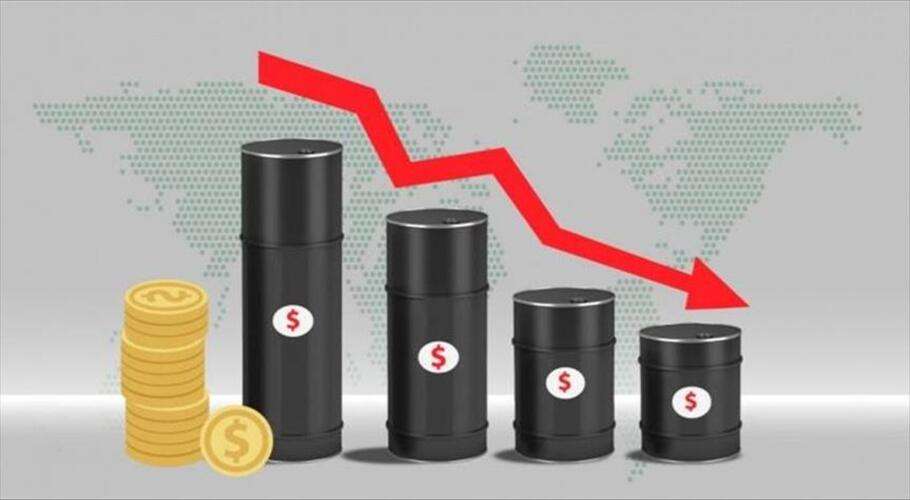
Besides these factors, fuel has also emerged as a central pressure point. Oil prices surged, pushing jet fuel to unprecedented levels for the industry: jet fuel prices roughly doubled from pre‑war levels of $85–90 per barrel to $150–200 per barrel by early March, according to market data cited by carriers. That spike has made fuel roughly one‑third of airline operating costs — a figure executives said exceeds the increases experienced after Russia’s invasion of Ukraine — and rerouting to avoid Gulf airspace adds an estimated 10–20% extra fuel burn on Europe‑Asia services.
“I think it’s the severest upheaval we’ve had since 2020,” EasyJet Chief Executive Kenton Jarvis was quoted as saying, while Lufthansa Chief Executive Carsten Spohr warned that carriers cannot continue absorbing higher costs on what he described as single‑digit euro profits per passenger. International Air Transport Association Director General Willie Walsh likened the Middle East demand shock to the immediate downturn after the Sept. 11 attacks.
The market response has been stark. Short‑selling activity surged on names such as Wizz Air — the most shorted stock on the FTSE 100 — and EasyJet, signalling investor bets on further share‑price declines. Gulf carriers including Emirates, Etihad and Qatar have faced route cuts and are being watched closely for possible government support measures as the regional crisis persists.
The crisis has also reshaped cargo markets. Airlines and freight forwarders reported an 18% hit to air freight capacity, forcing longer, fuel‑intensive routings that have contributed to higher global goods prices. Several carriers, including Qantas, SAS, Air New Zealand, SpiceJet and IndiGo, announced fare increases to help offset soaring costs.
The wider economic effects are already visible in some markets. In India, domestic fuel‑linked pricing showed knock‑on effects: the price of a 14.2kg LPG cylinder rose from 853 rupees to 913 rupees by March 10, reflecting broader energy cost inflation linked to the conflict.
The Financial Times analysis detailed the depth of the industry’s losses, saying “the 20 largest publicly listed airlines lost $53 billion in market capitalization since the conflict started on February 28, 2026,” a decline which not only reflects immediate operational disruption but investor concerns about how long elevated fuel prices, constrained routes and safety risks will persist.
Industry officials and analysts said the outlook will hinge on the duration and geographic spread of the conflict, the timing of any reopenings of Gulf airspace and whether governments step in to support critical carriers. With airlines already operating on thin margins, executives warned the sector faces a protracted period of adjustment even after hostilities ease.