










Milk being sold to residents of Karachi, the country’s largest city, has been declared unfit for human consumption.
This revelation came during a hearing before a constitutional bench of the Sindh High Court regarding the recent increase in milk prices, when the Karachi Commissioner submitted a report on the quality of milk.
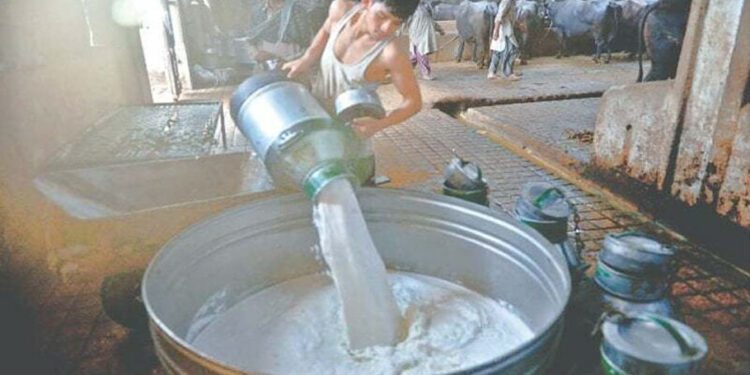
According to the report presented by the Commissioner, serious violations of hygiene standards occur during the supply and sale of milk in Karachi, and alarming complaints of adulteration have also surfaced.
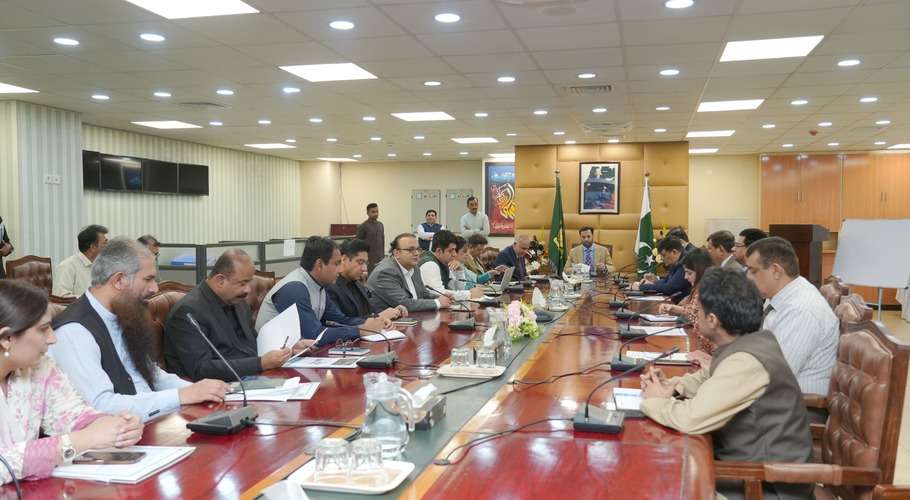
In line with court orders, a meeting of all relevant stakeholders was held to determine milk prices, and its details were shared with the court.
The report states that dairy farmers, wholesalers, and retailers engage in irresponsible practices that render the milk harmful to public health.
Moreover, when milk samples were collected from various parts of the city—based on requests from milk sellers themselves—and 57 samples were sent for testing, the Pakistan Standards and Quality Control Authority reported that none of the samples were suitable for human consumption.
The PSQCA report further revealed that 22 samples contained formalin, while 8 samples tested positive for phosphate, both considered dangerous forms of chemical adulteration.
The Karachi Commissioner said that concerned organisations have been instructed to develop joint SOPs to eliminate adulteration.
The Bureau of Supply has recommended that milk prices should not be increased during the winter season due to lower consumption. Under the new pricing recommendations, dairy farmers will be required to accept a price of Rs. 200 per litre, wholesalers Rs. 208, and retailers Rs. 220.