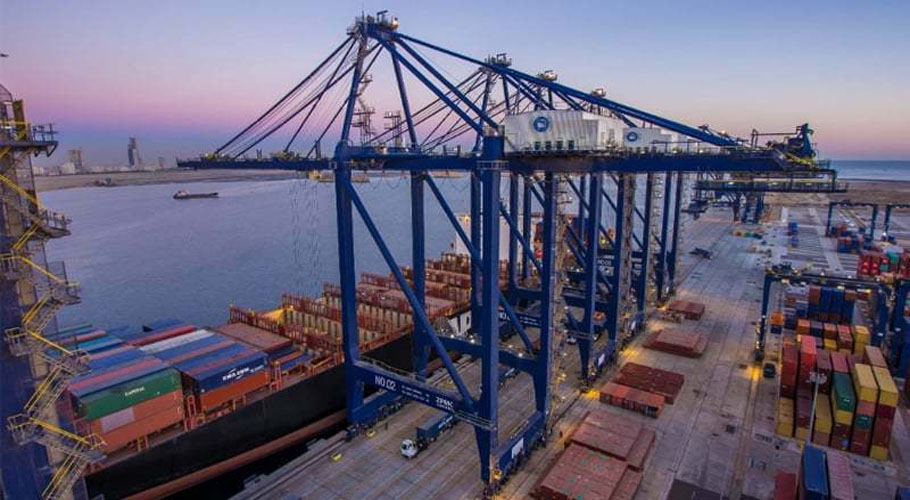
Pakistan has suspended all Afghan Transit Trade operations through its Karachi ports, effectively halting cargo movements under the bilateral agreement and revoking all previously issued gate passes for such shipments.
The decision was made during a high-level meeting held at Karachi’s Customs House on Thursday, chaired by the Director General of Afghan Transit Trade. Following the meeting, a Customs General Order (CGO) was issued, implementing the suspension until further notice.
As a result, port authorities immediately began offloading Afghanistan-bound containers from transport vehicles, and clearance operations at both Karachi Port and Port Qasim were brought to a standstill.
Sources within Pakistan Customs reported that facilities in Quetta and Peshawar are already at full storage capacity, leaving no space for additional containers. At the South Asia Pakistan Terminal (SAPT), long lines of Transit Permit (TP) containers have formed, with hundreds of loaded trucks now stranded in and around port areas as well as along key transit routes to Quetta and Peshawar.
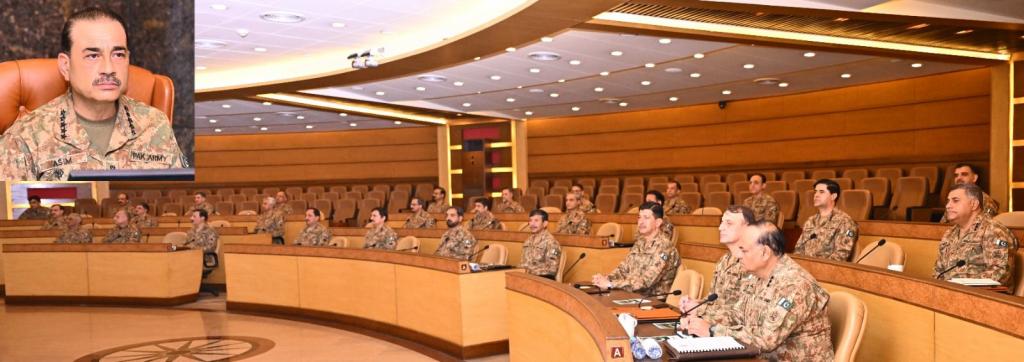
The trade halt comes against the backdrop of escalating military and diplomatic tensions between Pakistan and Afghanistan.
Just a day earlier, on October 15, Pakistan and the Taliban-led government in Kabul agreed to a 48-hour ceasefire. The truce, requested by the Afghan side, was confirmed by Pakistan’s Ministry of Foreign Affairs.
Foreign Office spokesperson Shafqat Ali Khan stated that both parties would use the ceasefire to pursue “sincere efforts to find a positive solution to this complex but solvable issue through constructive dialogue.”
The ceasefire followed a series of Pakistan Army precision strikes inside Afghanistan’s Kandahar province and the capital, Kabul. According to military sources, these strikes targeted Taliban forces, reportedly destroying Battalion Number 4 and Border Brigade Number 6, and killing multiple foreign and Afghan operatives.
Tensions have been rising in recent weeks, with Pakistan accusing Afghan-based militants of orchestrating cross-border attacks. In response, trade routes have been disrupted, border crossings shut down, and now, the key Afghan Transit Trade has been suspended—raising serious economic and humanitarian concerns on both sides of the border.