










After the killing of Teefi Butt in Punjab, human rights organizations have criticized deadly police encounters, most of which have been carried out by a newly established special force. Human rights organizations say that extrajudicial killings are being used as an alternative to the criminal justice system.
In a recently published report citing data compiled by the Human Rights Commission of Pakistan (HRCP), it was stated that since January 2025, more than 500 alleged encounters have taken place in the province in which over 670 people have been killed — a number higher than in all other provinces combined.
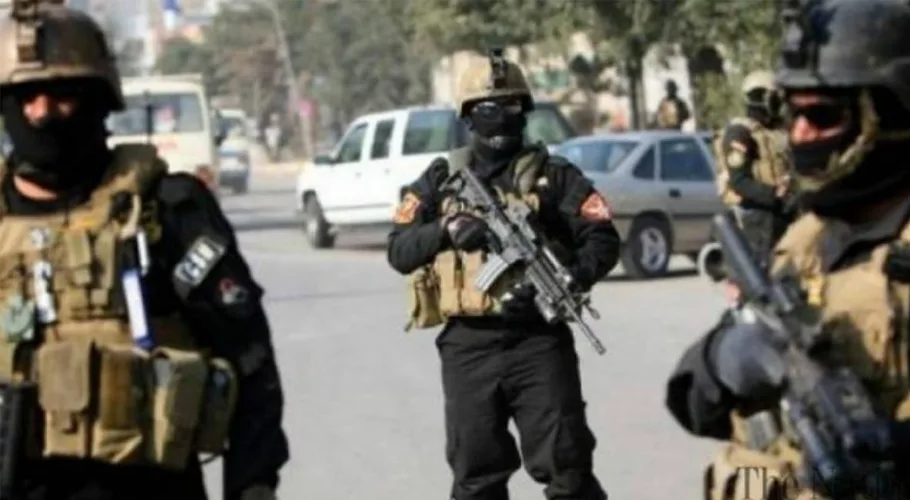
In a statement issued on Monday, HRCP expressed deep concern over the ‘increasing normalization’ of such incidents, stating that this trend has grown since the establishment of the Punjab Police’s special wing, the Crime Control Department (CCD), in February 2025.
The statement said, “HRCP is deeply concerned that the CCD, which was originally created to control crime, has now become a parallel police force with broad powers to register FIRs, detain suspects, and carry out deadly operations against dangerous criminals.”
The human rights body warned that this trend undermines the rule of law and constitutional guarantees, particularly the right to a fair trial.
The issue gained more attention when Khawaja Tarif alias Teefi Butt, a murder suspect, was killed in an alleged police encounter in Rahim Yar Khan.
According to police, Teefi Butt was being transferred from Karachi to Lahore when his associates opened fire on the CCD team, after which he was killed in retaliatory firing. However, HRCP termed the incident an example of a “dangerous trend.”
CCD was formed by the Punjab government to take action against organized crime, terrorism, and major criminal gangs. Government officials, while praising its “achievements,” claim that it has significantly reduced street crime and targeted major criminals.
However, the rising number of deaths has alarmed legal experts and civil society. Critics say that most of the encounters follow the same pattern: police reach the suspect, the suspect opens fire, and is then killed in retaliatory firing—leaving no room for arrest, investigation, or judicial process.
HRCP’s statement said, “No institution can be above the law; even those guilty of the most serious crimes are entitled under the Constitution to due process and a fair trial.” The organization warned that such actions erode public trust in legal institutions and promote a dangerous trend of state violence.