










KARACHI: Inflation in the country has breached critical thresholds, with the Consumer Price Index (CPI) hitting 10.9% in April 2026. This stark acceleration not only shatters the Ministry of Finance’s 8–9% forecast but also pushes the rate well outside the State Bank of Pakistan’s (SBP) 5–7% medium-term target.
اپریل میں مہنگائی ریکارڈ سطح پر پہنچ گئی۔مہنگائی کی شرح 10.9% تک پہنچ گئی۔شہروں میں مہنگائی کی شرح 11% فیصد سے بھی بڑھ گئی۔ہول سیل افراط زر 13.6% تک پہنچ گئی pic.twitter.com/JehlGPtvmb
— Sanaullah Khan (@SanaullahDawn) May 1, 2026
The latest data indicates a return to near-2024 highs, ending months of relative moderation and raising significant concerns regarding the erosion of purchasing power for households.
Urban vs. Rural Dynamics
The inflationary surge has been felt unevenly across the country, highlighting structural disparities:
– Urban Centers: Urban inflation climbed to 11.1%, driven heavily by localized pressures such as rising housing rents and utility costs.
– Rural Regions: While rural inflation registered a slightly lower 10.6%, it remains at a dangerous double-digit level, signaling that the supply-chain shock is national in scope.
Key Drivers: Cost-Push Factors
The spike is primarily fueled by sharp increases in the cost of living and production. Analysts point to escalating transport and fuel costs as the primary culprits behind this month-on-month volatility.
Specific sectoral shifts are creating significant household strain:
– Housing & Utilities: Inflation in this sector has surged to 16.8%, a massive jump from the previous 11.5%.
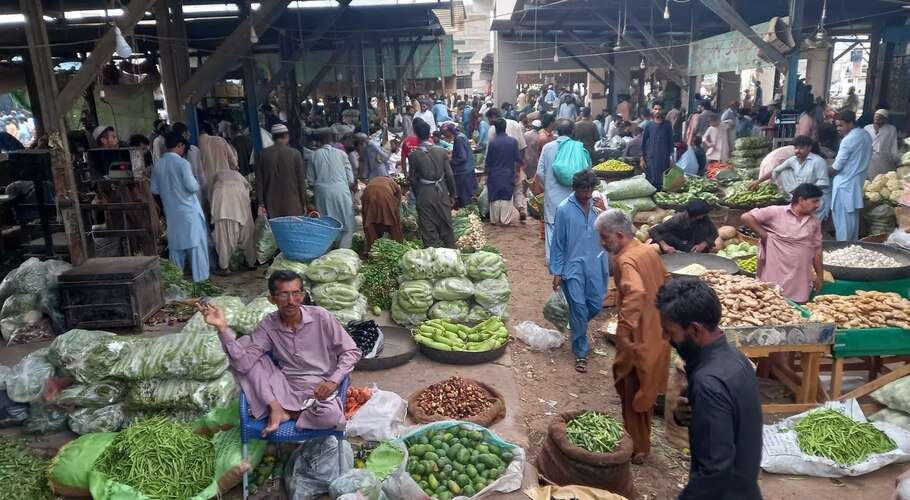
– Food & Beverages: Prices for food and non-alcoholic beverages have climbed to 7.6%, up from 3.6% in the prior month, directly impacting the average family’s disposable income.
Wholesale Pressure and Pass-Through Risks
Perhaps the most concerning indicator for future retail pricing is the Wholesale Price Index (WPI), which leaped to 13.6% in April from 6.7% the previous month. This rapid escalation in wholesale costs signals a high risk of “cost pass-through,” where producers inevitably transfer these expenses to consumers in the coming months.
Policy Outlook and Expert Analysis
The persistence of these figures—nearing double-digit returns after a period of cooling—has placed the State Bank of Pakistan in a difficult position. Economists widely anticipate a potential tightening of monetary policy in upcoming sessions to curb this broad-based surge.
Expert Perspective: Looking Ahead
The outlook remains clouded by geopolitical volatility. Analysts suggest that global oil price hikes, exacerbated by ongoing Middle East tensions, could sustain this high wholesale inflation environment.
“We are seeing a convergence of local demand pressures and external supply shocks,” noted a market analyst. “If left unaddressed, we risk a cycle of persistence where inflation floors settle between 11% and 11.5%. Fiscal measures, alongside a tighter monetary stance, may be the only tools left to break this momentum.”
Analysts believe the government now faces mounting pressure to implement structural fiscal reforms to stabilize the economy, as the current trajectory suggests the era of moderation may be decisively over.