










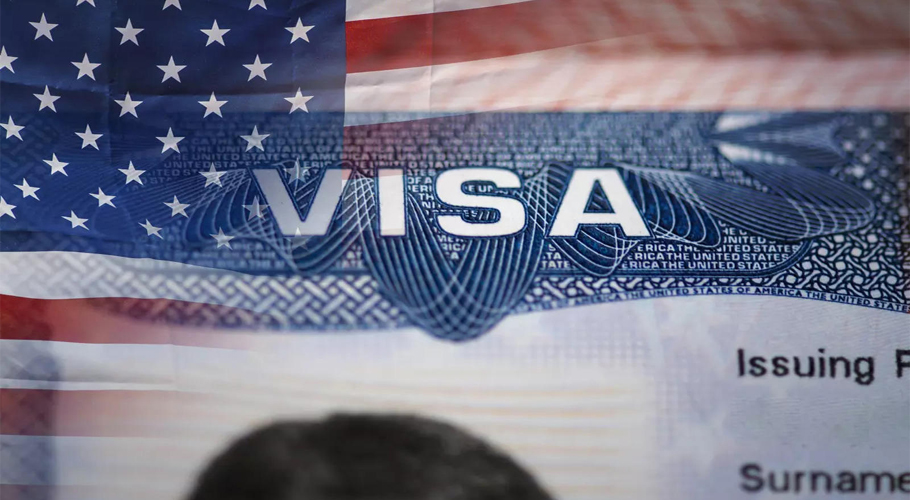
A new U.S. visa screening policy is raising alarm among immigration experts and human rights advocates, as it changes how applicants are evaluated before entering the country.
Under the directive, individuals seeking temporary visas may now be denied entry based on their responses to questions about safety in their home countries, marking a major shift in longstanding immigration procedures.
This rule applies to several temporary visa categories, including tourist (B-1/B-2), student, and certain work visas.
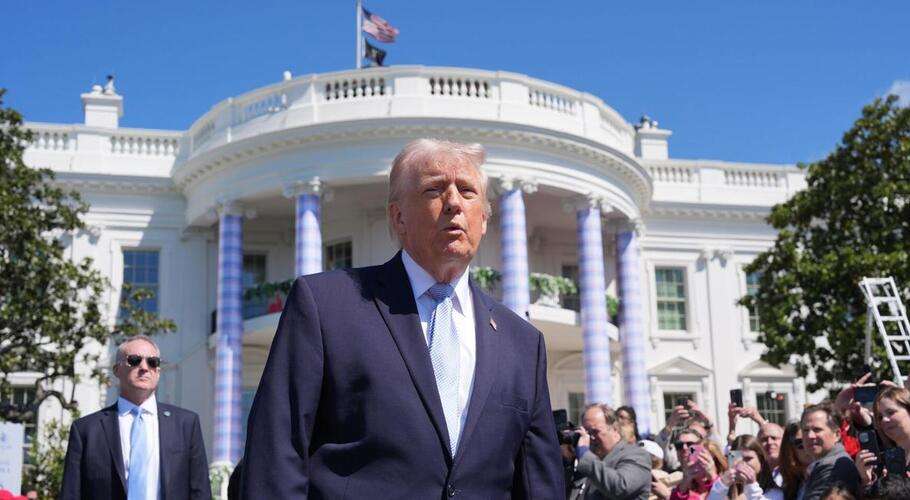
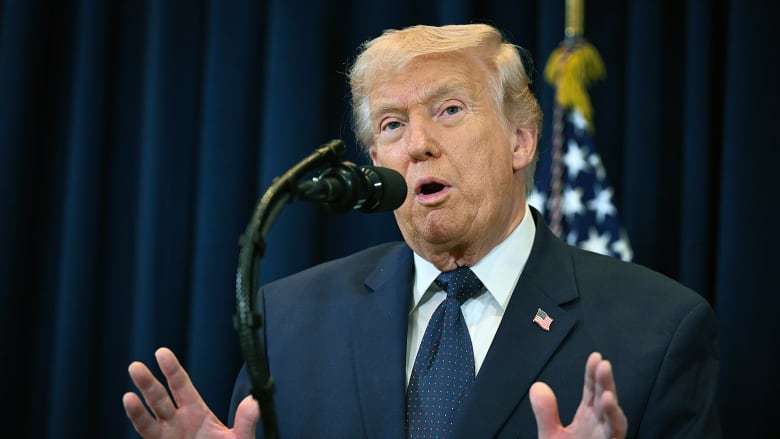
The policy is reportedly tied to a 2025 executive order issued by President Donald Trump and supported by Secretary of State Marco Rubio. Officials say the measure is intended to prevent misuse of temporary visas by individuals who later seek asylum after entering the United States.
Earlier, concerns about fear of persecution were addressed only after arrival through the asylum process. By shifting this screening abroad, the government effectively requires applicants to reveal potential asylum claims during visa interviews.
While authorities defend the move as necessary to protect immigration integrity, critics, including immigration lawyers and refugee advocates, warn it could block vulnerable individuals from accessing protection.