










ISLAMABAD: The Oil and Gas Regulatory Authority (OGRA) has revealed that oil marketing companies (OMCs) have demanded Rs 82.5 billion in subsidies from the federal government, citing the ongoing Middle East conflict and associated global price volatility.
The Senate Standing Committee on the Cabinet Secretariat has taken strong notice of what it described as “fake claims” by OMCs and has recommended strict action against those involved, underscoring growing concerns over misuse of public funds in the already‑fraught oil‑pricing regime.
The committee meeting, chaired by Senator Rana Mahmood‑ul‑Hassan, was attended by the secretary of the Cabinet Secretariat, the Chairman of OGRA, and other senior officials. During his briefing, the OGRA chief stated that any misuse of public money through inflated claims would be a matter for the Federal Investigation Agency (FIA) and other law‑enforcement bodies, vowing that the issue of outstanding subsidy claims would be resolved within three to four weeks.
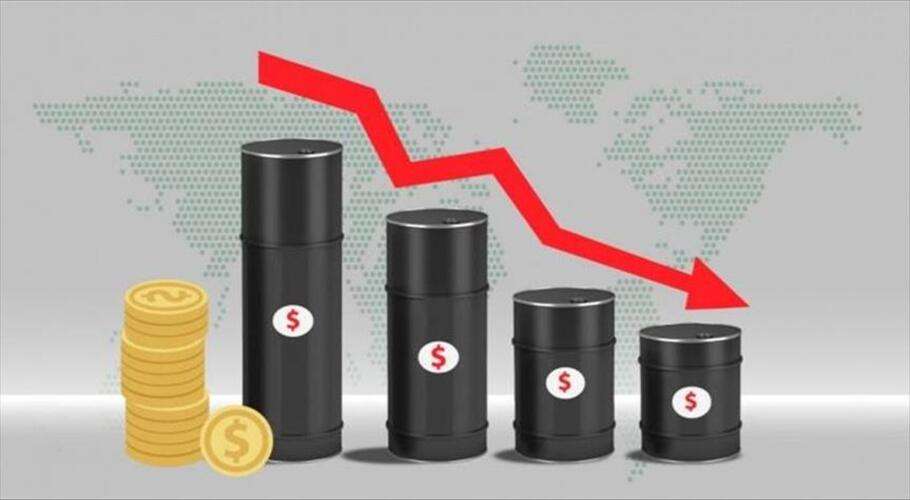
Inflated demands amid war‑driven price shock: It is important to mention here that the Rs 82.5 billion subsidy demand comes at a time when Pakistan is already reeling from the highest-ever petrol and diesel prices, largely driven by the US‑Iran tensions and broader Middle East conflict.
While global crude prices have spiked, OMCs argue that the government should compensate them for the “price differential” between the international benchmark and the retail price they sell at, a mechanism that has repeatedly triggered public backlash for shifting the cost of geopolitical risk onto ordinary consumers.
Analysts warn that if these claims are not strictly scrutinised, the subsidy burden will effectively become a hidden tax on the public, with the difference ultimately absorbed through higher fuel prices, transport fares, and food costs.
Past audits have already exposed fraudulent or inflated subsidy claims in the oil sector, including cases where the Auditor General flagged multi‑billion‑rupee overpayments, leaving the impression that a weak regulatory architecture has repeatedly allowed OMCs to profit from opaque pricing.
Senate panel’s rebuke and public cost: The Senate panel’s explicit mention of “fake claims” suggests that at least some of the subsidy demands may be exaggerated or unsubstantiated, raising questions about the transparency and integrity of the OMCs’ submissions. The committee’s call for strict action implies that the government may pursue legal or disciplinary steps against OMCs or officials found to have manipulated claims, but the timeline for such action—pegged at three to four weeks by OGRA—falls short of the immediate relief that consumers are demanding.
For the general public, the implications are stark: they are already paying record‑high pump prices largely due to the Middle East conflict, while at the same time public coffers risk being bled dry by potentially fraudulent subsidy claims. In contrast, countries more directly affected by the conflict—such as Iran and various Gulf states—continue to subsidise their domestic fuel heavily, leaving Pakistan as one of the few major economies in the region where consumers bear the full brunt of both global price shocks and domestic regulatory failures.
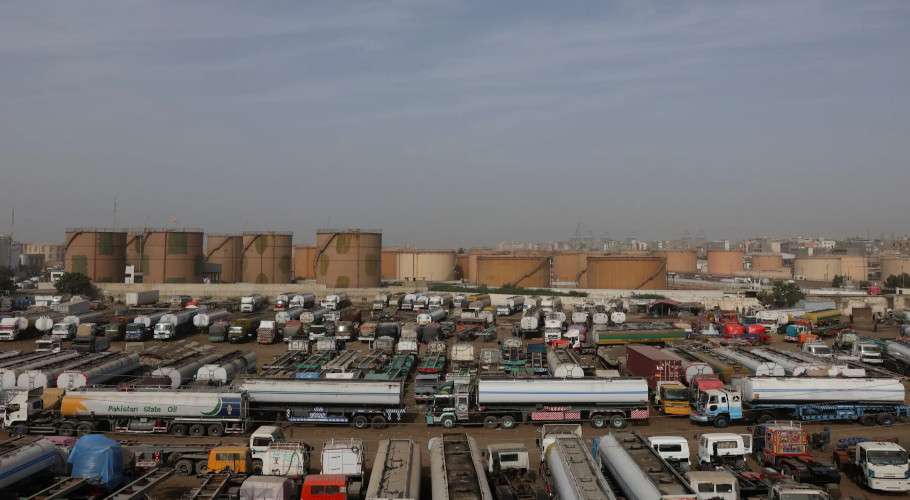
Risk of shortages, more hikes, and eroded trust: The legitimacy crisis over subsidy claims coincides with Rs107 billion in unpaid “price differential certificates” (PDCs) already owed to OMCs, which has already strained the fuel‑supply chain and raised concerns about future liquidity and imports. If OMCs succeed in extracting billions in additional subsidies—whether justified or not—the pressure to raise prices again or delay imports could intensify, creating a vicious cycle of shortages, price hikes, and public frustration.
Not just these, but consumers are also likely to view the unfolding drama as proof that OGRA and the government are more responsive to corporate lobbies than to the public interest. The Senate panel’s rebuke, while welcome, may do little to repair trust if the final settlement is opaque, political, or lenient on companies found to have fabricated claims.
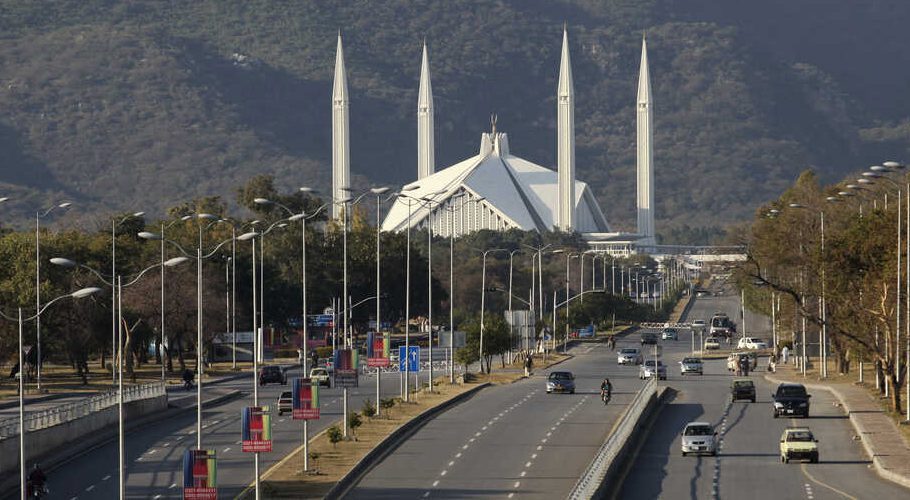
For the average household in Karachi, Lahore, or Islamabad, the simple bottom line is this: they are paying not only for the war in the Middle East but also for a system that may be accepting inflated and fraudulent bills from the very companies that pump the fuel into their tanks.