










LONDON/SINGAPORE: Brent crude futures climbed to $111.48 per barrel on Tuesday, marking a sharp escalation in energy prices as the de facto closure of the Strait of Hormuz enters its eighth week.
The latest spike reflects mounting market anxiety following the breakdown of diplomatic mediation efforts and persistent military activity in the world’s most critical maritime chokepoint.
The rally marks a seventh consecutive day of gains for the global benchmark, which has now reclaimed levels not seen since early April. West Texas Intermediate (WTI) followed suit, rising to over $97 per barrel, though the gap between the two benchmarks continues to widen due to the localized supply shock in the Middle East.
https://archive.mmnews.tv/trump-not-happy-with-iranian-proposal-u-s-official-says/
Market alalysts, while expressing their opinion, said the primary catalyst for the price surge remains the restricted flow of oil through the Strait of Hormuz. International energy agencies characterize the current situation as the largest supply disruption in the history of the global oil market.
– Transit Collapse: Daily vessel crossings have plummeted from a pre-war average of 140 to just 7 to 10 vessels, according to recent maritime intelligence.
– Production Shut-ins: Analysts estimate that production shut-ins in the Middle East have reached a peak of 9.1 million barrels per day this month, as exporters including Saudi Arabia and the UAE struggle to move volumes past the blockade.
– Fuel Scarcity: The war has led to a doubling in the price of kerosene-based products, with diesel and jet fuel reaching record highs as refineries face a shortage of specific crude grades.
Failed Diplomacy and Market Risk
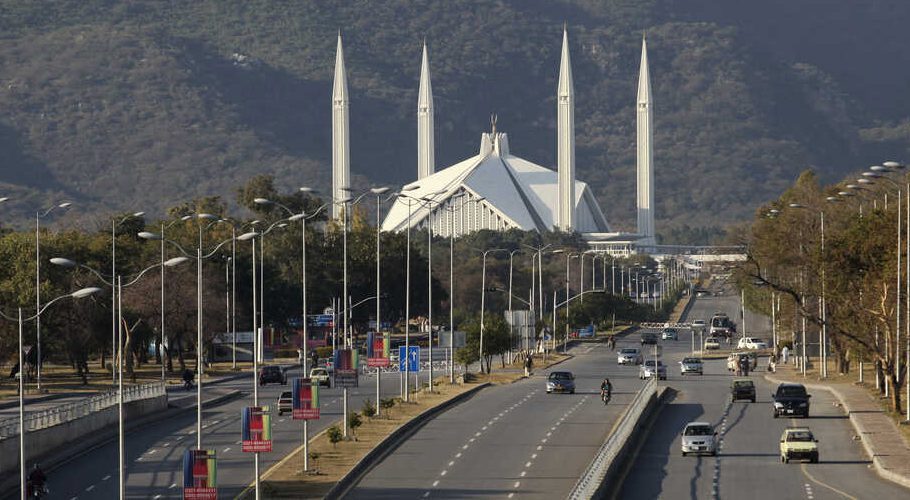
The jump to $111.48 followed reports that anticipated peace talks in Islamabad between U.S. and Iranian officials failed to materialise. The lack of a clear exit strategy for the regional conflict has forced traders to price in a “prolonged war” premium.
Financial analysts warn that the current price level may only be a waypoint. While some institutions anticipate a surplus later in the year if hostilities subside, a continued closure of the Strait through June could see Brent surge toward $150.00.
Global Economic Impact
The energy shock is already being felt across major economies. The European Central Bank recently warned of a looming period of stagflation—low growth coupled with high inflation—driven by the energy-supply crisis. In the United States, retail gasoline prices have hovered near \$4.00 per gallon, a 30% increase since the conflict began on February 28.
As the maritime impasse continues, the International Energy Agency has called the situation the “greatest global energy security challenge in history,” with no immediate resolution in sight.