










KARACHI: Pakistan is now facing the most severe fuel affordability crisis in South Asia, with petrol prices consuming a disproportionately large share of household income compared to its neighbors.
Despite petrol prices in the region hovering around a similar range—$1.41 per liter in Pakistan versus $1.10 in India, $1.05 in Bangladesh, and $1.40 in Sri Lanka—the stark difference lies in per capita income.
With a per capita income of just $1,400–$1,600, Pakistan lags significantly behind India ($2,600–$2,700), Bangladesh ($2,500–$2,600), and even Sri Lanka, which has rebounded to over $4,500 following its 2022 sovereign default. This economic disparity means that for the average Pakistani, fuel costs represent a far heavier financial strain, leaving households more vulnerable to global oil price shocks and domestic inflation.
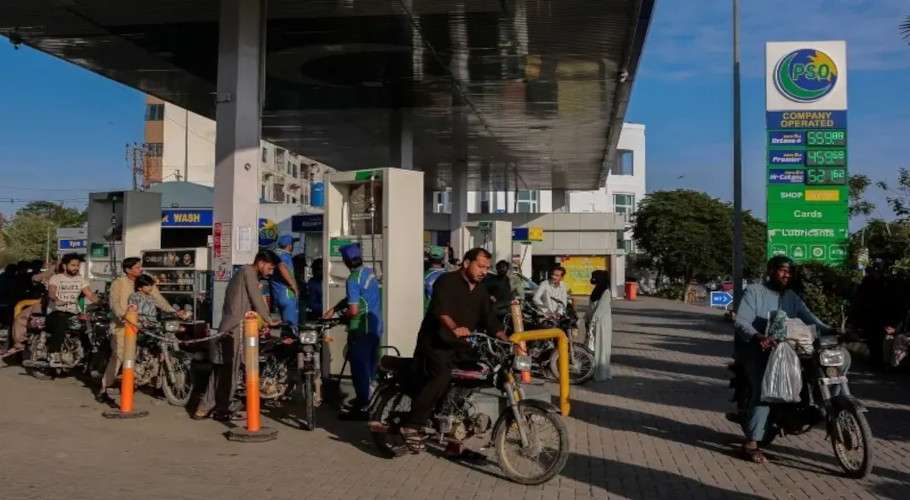
The situation was exacerbated on Friday when Pakistan hiked petrol and diesel prices by Rs. 26.77 per liter, pushing petrol to Rs. 393.35 and diesel to Rs. 380.19.
While the dollar cost of fuel remains relatively consistent across the region, the ratio of income to energy expenditure reveals a grim reality: Pakistan’s citizens are paying the highest relative price for fuel in South Asia, deepening the economic divide and testing the resilience of its struggling economy.