










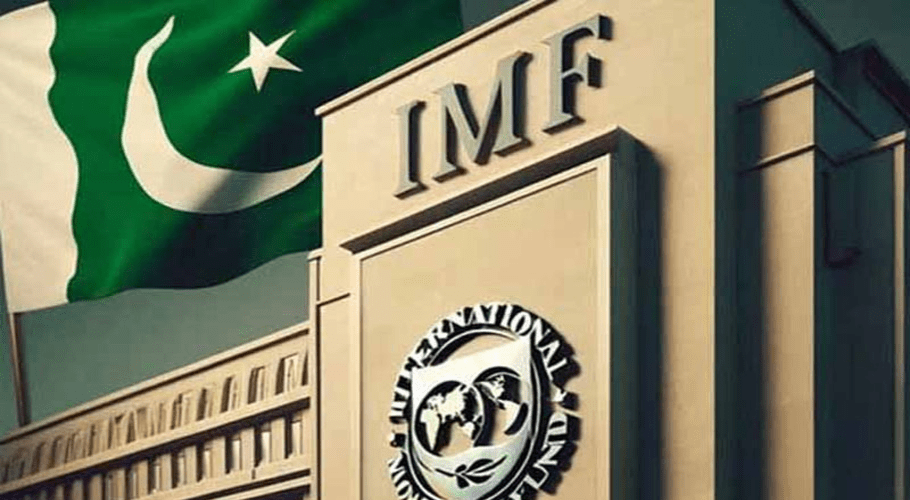
ISLAMABAD: In what seems to be a rare alignment of fiscal discipline and consumer relief, the International Monetary Fund (IMF) has endorsed Pakistan’s newly introduced diesel pricing formula, which has kept prices Rs100 per litre lower than they would have been under the previous mechanism.
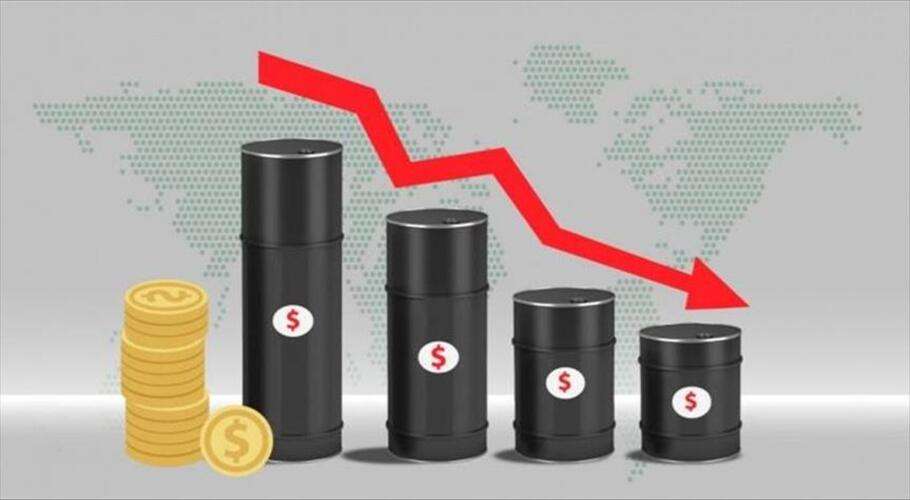
The revised formula, based on Dubai crude oil values rather than refined product averages, brought the current week’s diesel price to Rs. 380.2 per litre. Without the change, consumers would have faced Rs. 480 per litre — a sharp increase that officials say would have strained households and businesses alike.
https://archive.mmnews.tv/imfs-ever-expanding-do-more-list-grows-to-75-demands/
The IMF initially raised concerns about the government’s second formula change in a single week. However, after assurances that the adjustment would not burden the national budget and would prevent windfall gains for refineries, the Fund gave its approval. Analysts note that this endorsement reflects the IMF’s broader global stance: fuel prices should reflect real costs, but governments can intervene to shield consumers from shocks.
Petroleum Minister Ali Pervaiz Malik confirmed that refineries worked closely with the Petroleum Division to design the formula, while Prime Minister Shehbaz Sharif monitored developments daily. Malik emphasized that the new mechanism balances consumer protection with investor confidence, a departure from past practices where abrupt contract revisions undermined sentiment.
Officials stress that once the Middle East crisis subsides, Pakistan’s oil sector must move toward full deregulation. Plans include upgrading refineries and modernizing the Oil and Gas Regulatory Authority (Ogra) with digital tools to ensure transparent, market-driven pricing.
Consumer Perspective
For consumers, the formula represents a rare moment of fairness in fuel pricing:
– Immediate savings of Rs. 100 per litre.
– Assurance that relief does not come at the expense of the national budget.
– A transparent mechanism that curbs excessive refinery profits.
Analysts believe that in essence, Pakistan’s diesel pricing reform — backed by the IMF — offers short-term relief and signals a longer-term shift toward a fairer, more transparent energy market.