










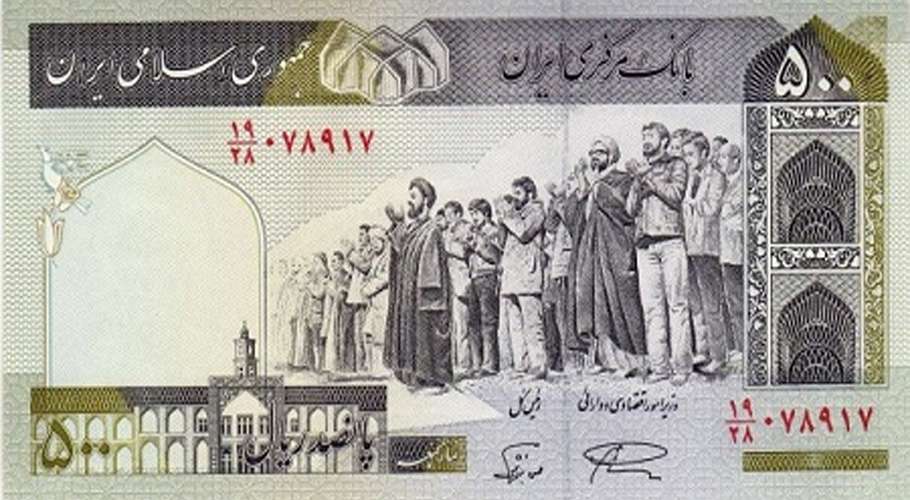
Demand for the Iranian rial has continued to rise in Pakistan’s open currency market. On Saturday, 25 April 2026, rates remained relatively stable across major cities, including Karachi, Quetta and Lahore.
Latest market rates:
Currency dealers report that in the informal cash market, the Iranian rial is being traded at the following rates:
10 million Iranian rials: between Rs8,000 and Rs10,000
Rs1,000: approximately 1 million Iranian rials
Rs1: roughly 1,000 Iranian rials (open market rate)
It is worth noting that these prices are three to four times higher than previous levels, despite the currency remaining unstable in the international market.
Global vs Local Market:
Analysts highlight a significant gap between international benchmarks and Pakistan’s local market rates.
According to experts, the surge in demand within Pakistan is largely driven by speculation. Many small and large investors are purchasing rials in the hope that improved diplomatic relations between the United States and Iran, or a potential easing of sanctions, could lead to a rise in the currency’s value and generate substantial future profits.
Key risks you shouldn’t ignore
No global backing: The open-market rate in Pakistan is disconnected from international benchmarks.
Policy risk: Any escalation in US–Iran tensions can hit the currency instantly.
Liquidity issues: You may not find buyers when you want to sell.
Counterfeit risk: Fake notes are a known problem in informal markets.
Volatility: Sharp swings are common; gains can reverse quickly.
When it might make sense
You understand it’s speculation, not investment.
You can afford to lose the full amount.
You’re aiming for a short-term trade, not long-term holding.
You have access to trusted dealers and can verify notes.
Border Trade Factor:
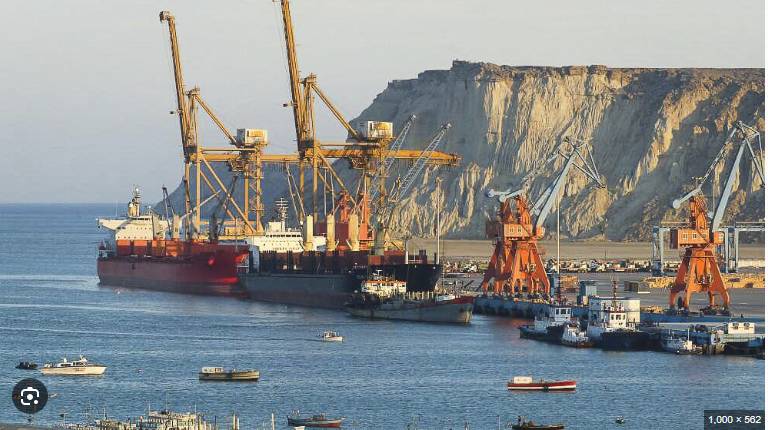
Another key reason is cross-border trade, particularly through Balochistan, where informal and semi-official trade with Iran — including petroleum products, fuel and food items — requires cash transactions in rials. Recent relaxations in transit and export regulations have further boosted this activity.
Market observers have cautioned citizens that although rial prices are rising locally, it remains a highly volatile currency globally.
Buyers are advised to remain vigilant against counterfeit notes and closely monitor market fluctuations, as any shift in political conditions could trigger a sharp decline in value.