










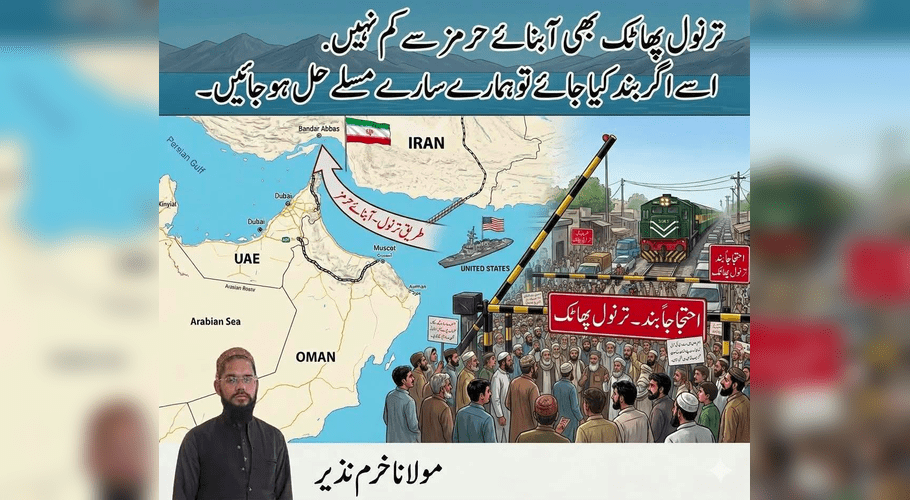
ISLAMABAD: A resident of Tarnol on the outskirts of Islamabad has been taken into custody after police registered a case against him for a satirical social media post in which he likened a busy local railway crossing to one of the world’s most strategically sensitive waterways.
According to the First Information Report (FIR), the suspect had posted remarks on social media about Tarnol Phatak — a railway crossing notorious for disrupting traffic flow in the area — in which he suggested that if it were “closed like the Strait of Hormuz”, the longstanding civic woes faced by local residents might finally be resolved. The post, widely seen as a hyperbolic if pointed commentary on a chronic infrastructure problem, was subsequently flagged by law enforcement.
بریکنگ
اسلام آباد پولیس کا مقدمہ درج کرنے کا اختیار نئی بلندیوں کو چھوتے ہوئے
ترنول ریلوے پھاٹک کو “آبنائے ہرمز” سے تشبیہ دینا دفعہ 144کی خلاف ورزی قرار
شہری خلاف اسلام آباد پولیس نے مقدمہ درج کرلیا؛ ملزم گرفتار pic.twitter.com/lg4tLd4mCO— Shahid Hussain (@ShahidHussainJM) April 24, 2026
The case was registered by a Sub-Inspector under three provisions of the Pakistan Penal Code: Section 188, which addresses disobedience of an order duly promulgated by a public servant; Section 341, which pertains to wrongful restraint; and Section 511, which deals with punishment for attempting to commit offences punishable with imprisonment.
Expressing their opinion, legal experts say Section 511 is perhaps the most glaring issue in the FIR, as it covers attempts to commit offences — meaning there must be a tangible act moving toward the commission of a crime. A satirical social media post comparing a railway crossing to a geopolitical chokepoint does not, by any reasonable legal standard, constitute an attempt to physically blockade anything. And therefore, applying 511 here suggests either a superficial reading of the statute or a deliberate overreach.
Similarly, Section 341 (wrongful restraint) is equally puzzling because it typically applies when a person physically obstructs another from proceeding in a direction they have a right to go. Stretching it to cover a social media post is a significant departure from its intended application.
In the FIR, Section 188 is the only section with even a tenuous argument — but even that requires a specific public order to have been violated, which isn’t clearly established here.
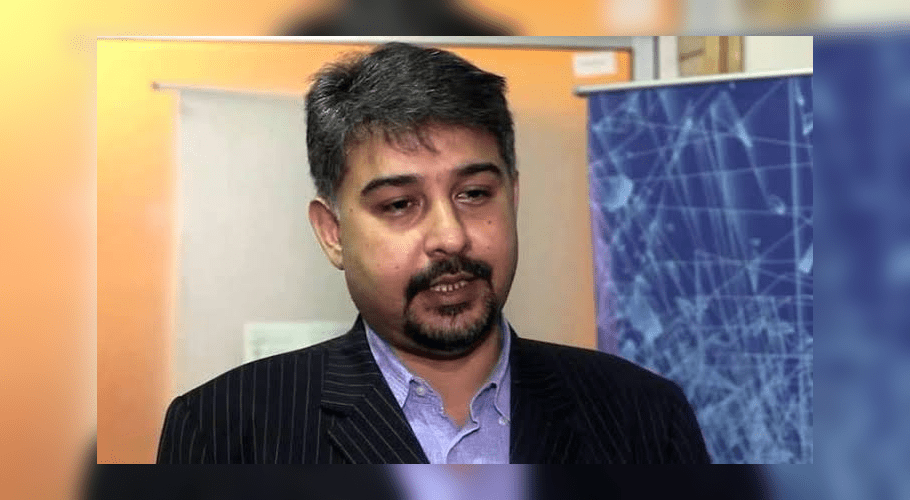
The arrest comes against the backdrop of a separate, more alarming case when a renowned journalist Fakhr Rahman was reportedly picked up from his residence by the National Cyber Crime Investigation Agency (NCCIA) in connection with an unspecified social media post. As of the time of filing this report, Mr. Rahman has not been produced before any court of law, raising serious questions about due process and the rule of law.
Islamabad Police maintained that the content about Tarnol Phatak by local resident was deemed objectionable and potentially disruptive to public order, and that the post amounted to an incitement to shut down the crossing.
Officials confirmed that the suspect was taken into custody and that an investigation is currently under way. The post, they said, was reviewed in the context of maintaining law and order in the area, and not to forget that the Tarnol Phatak itself is a genuine civic grievance — a railway crossing that has frustrated commuters for years — which makes the satire even more plainly innocuous in intent.
Together, both cases have reignited concerns among civil society, legal observers, and press freedom advocates over the increasingly broad application of penal provisions to online expression — particularly when content is plainly satirical or civic in nature. Critics argue that charging a citizen under sections including attempted-offence provisions for a metaphorical social media quip sets a chilling precedent for public discourse.
Meanwhile, the parallel case of Fakhr Rahman being held by NCCIA without court production is the more legally alarming development. Prolonged detention without judicial production violates Article 10 of Pakistan’s Constitution, which mandates production before a magistrate within 24 hours. That detail deserves equal, if not greater, scrutiny.