











WASHINGTON: The diplomatic landscape shifted rapidly this morning as Vice President JD Vance was officially confirmed to lead the U.S. delegation to Islamabad, ending 48 hours of conflicting signals from the White House.
The “flip-flop” underscores the volatility of the current crisis, as the administration balances extreme security risks against a ticking clock: a fragile ceasefire with Iran set to expire tonight.
Just days ago, the mission seemed stalled as in a series of high-profile interviews, President Trump appeared to pull the plug on Vance’s involvement, citing “unacceptable” security risks.
– The Logistical Hurdle: The Secret Service reportedly advised against the trip on such short notice, citing the difficulty of securing Islamabad for a Vice Presidential visit within a 24-hour window.
– The Protocol Conflict: Trump explicitly noted the risk of having the two highest-ranking U.S. officials in high-risk zones simultaneously. He praised Vance—stating “JD’s great”—but initially ruled out the trip.
However, by Tuesday morning, the White House shifted gears when officials clarified that the “urgency of the moment” outweighed the logistical hesitation. Vance, who led the grueling 21-hour marathon session in the previous round, is seen as the only negotiator with the “VP stature” necessary to signal U.S. resolve to Tehran.
– The Mission: Islamabad II
According to reports from – Axios- , Vance is expected to land in Islamabad by Tuesday morning (local time). He is not traveling alone; the delegation includes high-profile figures:
– Steve Witkoff (Special Envoy)
– Jared Kushner
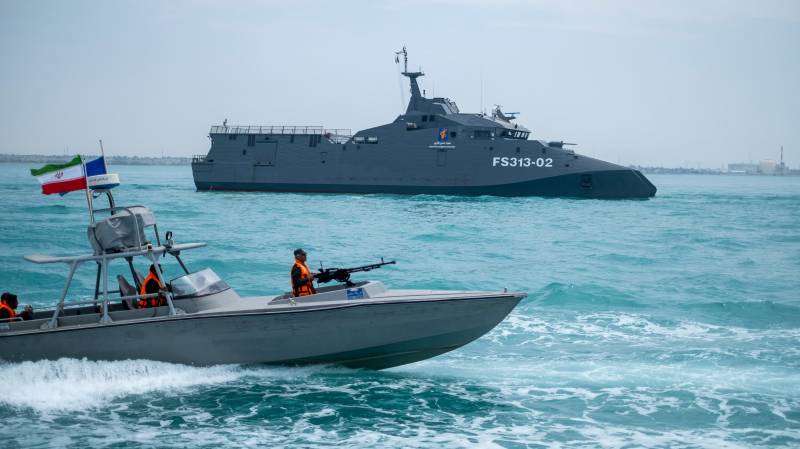
The team faces a daunting task: securing an extension to the ceasefire before the Tuesday night/Wednesday morning deadline. Failure to reach a deal could see a return to active hostilities, with the U.S. maintaining a strict naval blockade on Iranian ports.
Meanwhile, signals from Tehran have been equally “stop-and-go.” Following public comments from Iranian officials expressing a “reticence” to attend under the shadow of U.S. threats, sources indicate the Supreme Leader has now given the “green light” for negotiators to meet Vance in Islamabad.
And, as the mediator and host, Pakistan has turned Islamabad into a fortress since the “Red Zone” has been sealed, and advance U.S. security teams are already coordinating with Pakistani military intelligence.
Pakistani officials are reportedly pushing for a Memorandum of Understanding (MoU) that would extend the ceasefire by up to 60 days, providing a wider window for a permanent settlement.