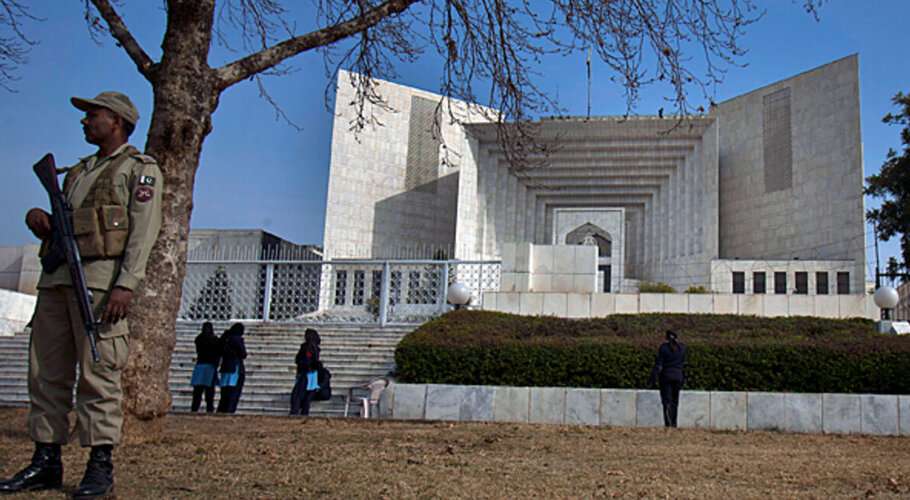
ISLAMABAD: A press release issued by the Supreme Court of Pakistan, detailing its successful use of video-link technology during an “emergent situation,” has sparked a conversation regarding the judiciary’s evolving public relations strategy.
پڑھیے اور جانیے کہ پاکستان کی سُپریم کورٹ نے آج کتنا بڑا کارنامہ انجام دیا ہے 👇🏼 pic.twitter.com/ydpwidQc9A
— A.Waheed Murad (@awaheedmurad) April 20, 2026
While the document highlights the court’s transition to digital proceedings as a “remarkable demonstration of institutional resilience,” observers note the tone marks a shift toward more assertive, image-conscious communication from the country’s highest legal body.
چیف جسٹس یحیی آفریدی متعدد سائلین کو تنگ کرنے بعد اب اعلامیہ کے زریعے داد وصول کرنا چاہ رہے ہیں کہ کیسز سن کر بہت بڑا کام کیا ہے
حالانکہ ریڈ زون میں کوریج کیلئے صحافیوں کو اجازت نہیں ۔۔ کچھ سائلین لوگوں سے سفارشیں کروا اور منتیں کروا کر پہنچے ہیں
یہ عام سائلین کی زلالت کا مداوا… pic.twitter.com/M3sW7GDgrh
— Ahsan Wahid (@AhsanWahid13) April 20, 2026
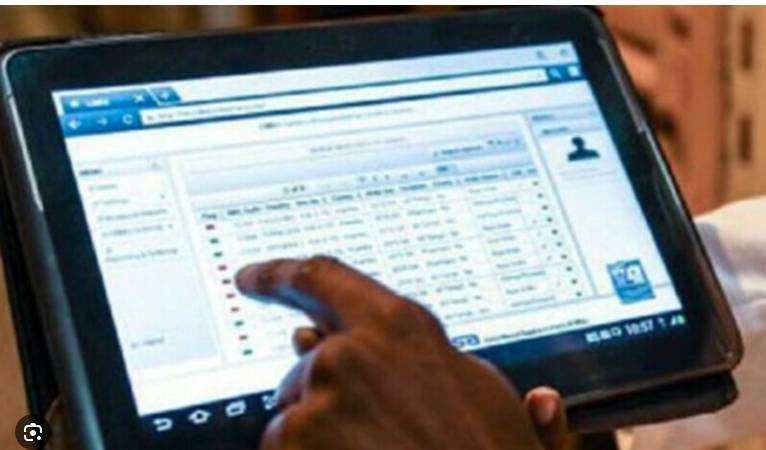
The press release, dated April 20, 2026, describes a session where Hon’ble Justice Ayesha Malik joined the Bench from the Lahore Registry via a secure video link to the Principal Seat in Islamabad. According to the Court, this technological intervention prevented the delisting of cases—a move that saved litigants and counsel from significant inconvenience.
The Bench reportedly disposed of 20 out of 28 fixed cases, a statistic the Court used to underscore its “unwavering commitment to substantive adjudication.”
Innovation or Standard Procedure?
The language of the report has drawn attention for its celebratory nature. Terms such as “significant milestone” and “innovative mode of hearing” frame the use of video conferencing—now a common tool in global legal and corporate sectors—as a heroic achievement.
Critics and analysts suggest the release serves as a strategic “PR-boost.” By quantifying its efficiency and praising its own “continued investment in digitization,” the Court appears to be proactively shaping a narrative of modernization and transparency.
Strengthening Public Confidence
The document concludes with a high-level endorsement from the Chief Justice of Pakistan, who lauded the “swift coordination” of IT teams and court staff.
While the adoption of technology is a clear win for judicial accessibility in Pakistan in 2026, the flowery prose suggests the institution is acutely aware of its public perception. In an era where judicial backlogs are a frequent point of contention, this “victory lap” aims to reassure the public that the wheels of justice are not only turning but are doing so with high-tech precision.