










DUBAI: Iran has abruptly reimposed restrictions on shipping through the Strait of Hormuz, reversing a brief reopening announced just one day earlier, in direct response to the ongoing U.S. naval blockade of Iranian ports, a move reigniting fears of supply disruption, sending oil prices swinging, and leaving global shipping operators scrambling amid heightened risk and confusion.
Following the April 17 announcement of partial reopening, several vessels turned back in anticipation — only to face renewed uncertainty as Tehran reinstated permission-based transit, enforced via Iranian Revolutionary Guard Corps (IRGC) routing near Larak Island.
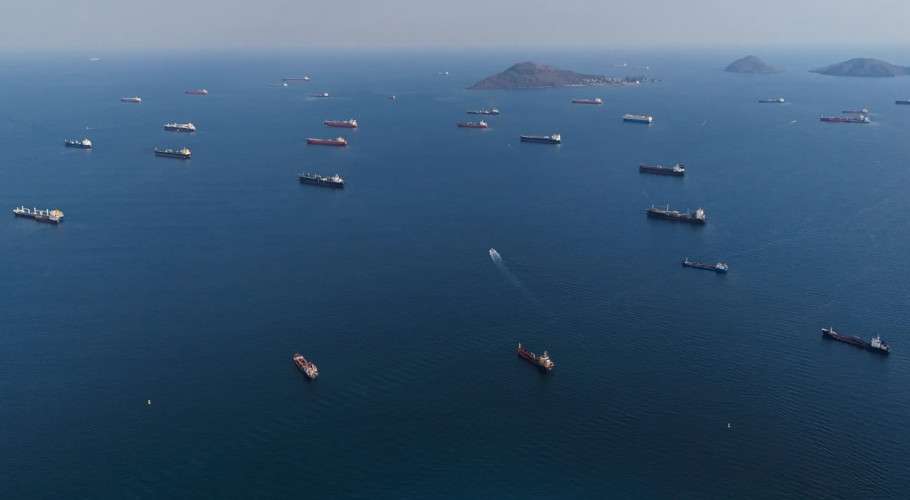
While a handful of sanctioned tankers — including vessels flagged to Angola, Panama, and Vietnam — cautiously transited under IRGC supervision, most commercial operators are avoiding the strait altogether. The Maltese-flagged cruise ship Celestial Discovery, stranded for 47 days, reportedly passed through — but industry sources say traffic remains a fraction of normal levels, echoing earlier lows during the crisis when volumes dipped below 10%.
The U.S. Navy continues enforcing its blockade at the Gulf of Oman entrance and conducting mine-clearance operations, while Iran has reportedly carried out over 21 attacks on merchant vessels since February.
The broader crisis, now in its third month, has left over 230 tankers stranded at peak, damaged or abandoned 16 merchant ships, sunk one tugboat, and claimed at least 12 seafarers’ lives. War risk insurance premiums have surged 4–6x, and major carriers have rerouted around Africa’s Cape of Good Hope.
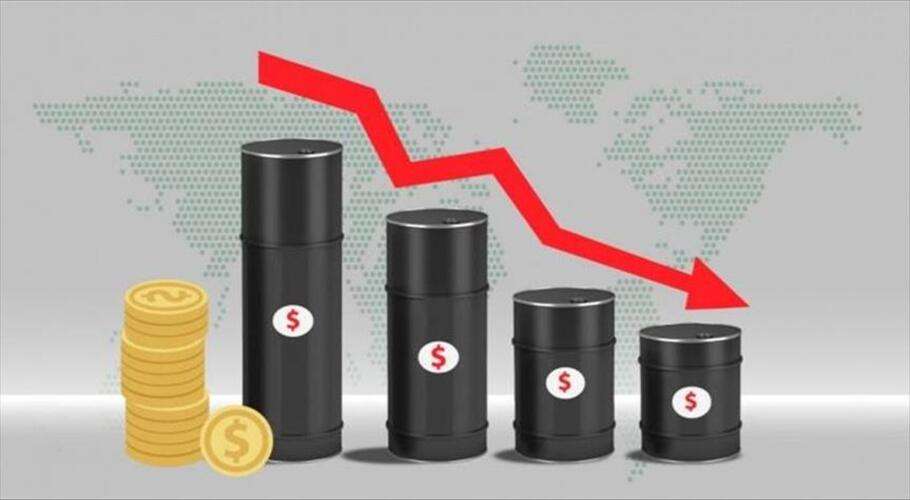
Earlier in the day, oil markets reacted sharply to the reopening on April 17 — Brent crude plunged 10–13% to $86/barrel, WTI fell to $79–82 — as traders welcomed the easing of a potential 20% global supply disruption. But today’s reversal has reintroduced volatility, with analysts warning of upward pressure: “Energy prices are about to get spicy,” one trader noted on social media.
The strait remains a central bargaining chip in fragile U.S.-Iran negotiations.
While the G7 and EU have deployed naval escorts and the UN has urged reopening, bypass attempts via pipelines have proven insufficient. With neither side backing down, the waterway’s status remains a volatile instrument of geopolitical leverage — and global markets are watching closely.
https://archive.mmnews.tv/iran-reimposes-strict-control-over-strait-of-hormuz-citing-broken-u-s-commitments/