










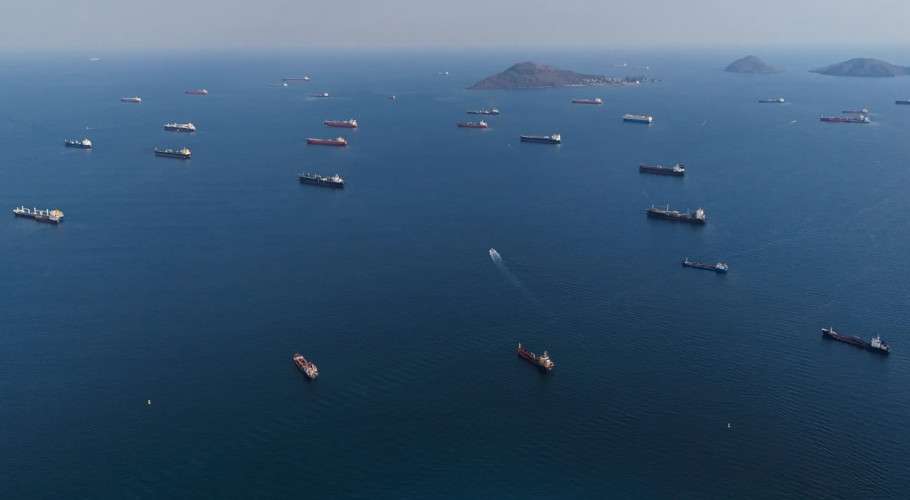
KARACHI: The ongoing closure of the Strait of Hormuz has blocked 22 scheduled liquefied natural gas (LNG) shipments to Pakistan through May, threatening higher gas prices and longer power outages as the country heads into peak summer demand.
The disruption follows the Iran–US–Israel conflict that escalated in late February, when Tehran’s Revolutionary Guards restricted shipping through the strait. The narrow waterway carries nearly one‑fifth of global LNG and oil supplies, and for Pakistan—almost entirely dependent on Qatari LNG—it is a critical lifeline. Since March, most cargoes bound for Port Qasim have been turned back, leaving tanker traffic at a fraction of normal levels.
The impact is already visible in Pakistan’s power sector, which consumes 60–70 per cent of LNG imports. Regasified LNG (RLNG) fuels over 4,500 MW of dedicated power plants such as Bhikki, Balloki and Haveli Bahadur Shah—among the most efficient thermal units used to meet evening peak demand.
While LNG’s share of electricity has dropped to around 10–11 per cent on average due to the solar boom, these plants remain vital for stabilising the grid after sunset.
With supplies now sharply reduced, generation shortfalls of 4,000–5,000 MW have emerged, forcing authorities to announce daily power cuts of 2–2.25 hours, mainly between 5 PM and 1 AM. In some rural areas, outages stretch far longer.
For households, this means hotter evenings with fans and air conditioners switched off, interrupted phone charging and darkened shops. Industries and fertilizer plants face gas and power disruptions, raising risks of job losses and higher prices of goods.
Electricity bills are also expected to climb, with adjustments of Rs 6–8 per unit likely as utilities switch to costlier backup fuels such as furnace oil and imported coal.
Officials say domestic gas producers have released some volumes to ease shortages, and emergency management plans are in place to ration supply and accelerate renewables. But analysts warn that LNG flows will be slowest to recover, underscoring Pakistan’s vulnerability to global chokepoint crises. For the public, the Strait of Hormuz may feel far away, yet its closure is already being felt in living rooms, workshops and markets across the country.