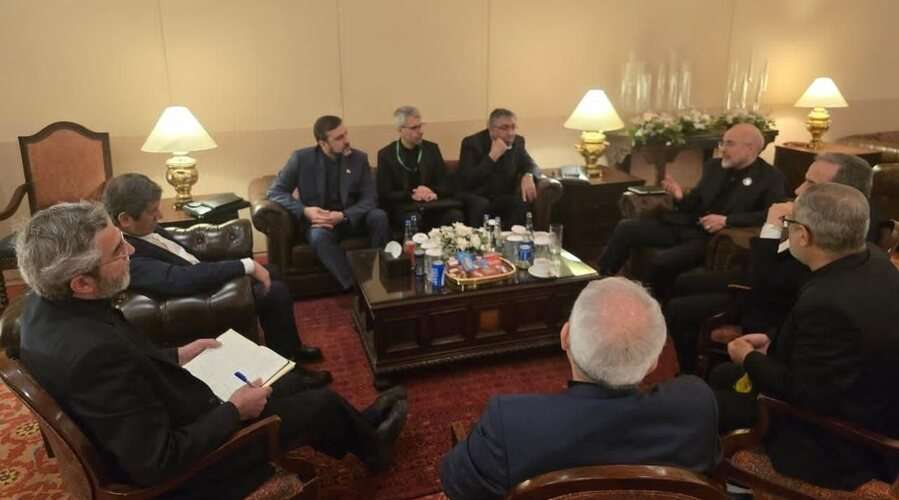
ISLAMABAD/TEHRAN: While no Iranian negotiator has spoken publicly since the collapse of 21 hours of direct US–Iran talks in Islamabad, state‑linked outlets have framed the deadlock as the result of Washington’s “excessive demands.”
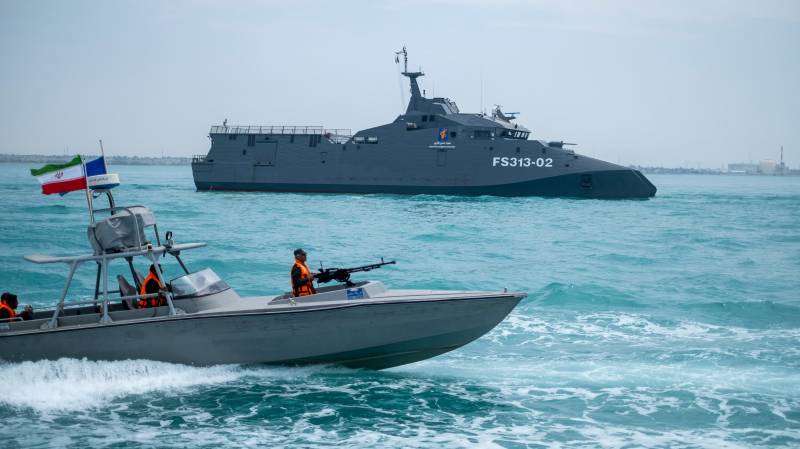
Iran’s foreign ministry had earlier cautioned that the success of negotiations depended on avoiding “excessive and illegal demands” and recognising Iran’s legitimate rights. Following the breakdown, Fars News Agency reported that “the United States attempted to achieve through negotiations what it failed to accomplish during the war,” adding that Tehran rejected demands related to the Strait of Hormuz, peaceful nuclear energy, and “several other issues.”
Iran’s state controlled Press TV echoed the line, saying the talks ended after US demands prevented a framework from being reached. Other Iranian media stressed that America’s insistence on curbs over the Strait of Hormuz and nuclear rights had hindered progress.
On the other hand, Chinese‑affiliated outlets added that Iran refused to surrender its stockpile of enriched uranium, underscoring the depth of disagreement.
https://archive.mmnews.tv/will-the-ceasefire-hold-as-us-iran-negotiations-end-without-breakthrough/
Reuters, meanwhile, quoted Pakistani sources as saying that both sides experienced “mood swings” during the marathon session, reflecting the strain of the first direct US–Iran negotiations since 1979.
Reports covering the events have expressed opinion that the unofficial Iranian narrative contrasts with Vice President JD Vance’s assertion that Washington left a “final and best offer” on the table. With the two‑week ceasefire announced by President Trump on April 7 set to expire on April 21, the absence of an official Iranian statement leaves uncertainty over whether Tehran will engage further or allow the truce to lapse.
https://archive.mmnews.tv/us-iran-negotiations-end-in-deadlock-after-21-hours-in-islamabad/