










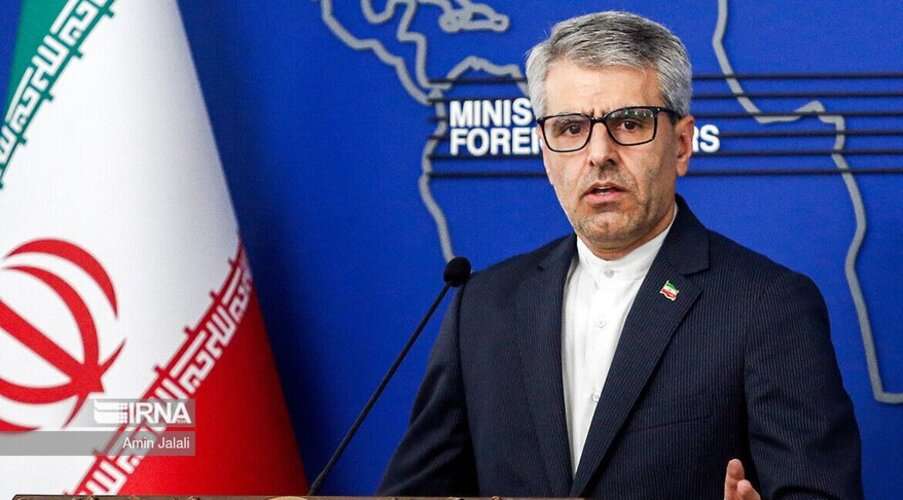
TEHRAN: Iran’s foreign ministry appears to have sought to temper expectations following the collapse of marathon US–Iran negotiations in Islamabad, with spokesperson Esmail Baghaei telling media that “no one expected” a deal to be reached in a single meeting.
“These negotiations were held after 40 days of imposed war and were held in an atmosphere of mistrust and suspicion. It is natural that we should not have expected from the beginning to reach an agreement within one meeting,” Baghaei said. “No one expected that either.”
Baghaei confirmed that the delegations had “reached an understanding on a number of issues” but acknowledged “differences of opinion on 2–3 important” matters. Earlier, he had stressed that the success of talks depended on the “seriousness and good faith of the opposing side” and recognition of Iran’s legitimate rights and interests.
The 21‑hour session marked the first direct US–Iran negotiations since 1979. Vice President JD Vance said Washington had left a “final and best offer” on the table, demanding an affirmative commitment that Iran would not seek nuclear weapons or the tools to rapidly achieve them. Yet no mention was made of the two‑week ceasefire announced by President Trump on April 7, which is set to expire on April 21.
Iranian media outlets had earlier blamed “excessive demands” by the United States for blocking progress, citing disputes over the Strait of Hormuz, nuclear rights, and enriched uranium stockpiles. Pakistani sources quoted by Reuters described “mood swings” on both sides during the marathon session.
Pakistan’s Deputy Prime Minister and Foreign Minister Ishaq Dar, standing at a podium with national flags behind him, thanked both delegations and reiterated Islamabad’s commitment to peace. “Multiple rounds of comprehensive and constructive talks have taken place between both delegations. Pakistan will continue to play its role for peace,” he said.
https://archive.mmnews.tv/pakistan-vows-peace-role-after-inconclusive-us-iran-negotiations-in-islamabad/
Observers privy to the developments in Islamabad have expressed opinion that with the ceasefire deadline approaching, Baghaei’s remarks suggest Tehran is framing the talks as a process rather than a one‑off event. The acknowledgment of partial understandings alongside unresolved differences leaves open the possibility of further engagement, even as mistrust and entrenched positions continue to cloud the path forward.