










The White House pushed the idea of a temporary ceasefire with Iran even as Donald Trump escalated threats against the Islamic republic and claimed it was “begging” for a deal, claims Financial Times in its latest report, citing people familiar with the talks.
https://archive.mmnews.tv/white-house-knew-about-pakistans-cease-fire-post-on-x-before-it-was-sent-nyt/
For weeks the Trump administration was leaning on Islamabad to convince the Iranians to agree a pause in fighting where it would reopen the Strait of Hormuz, the people said. Pakistan’s crucial role, as a Muslim-majority neighbour and intermediary, was to sell it to Tehran.
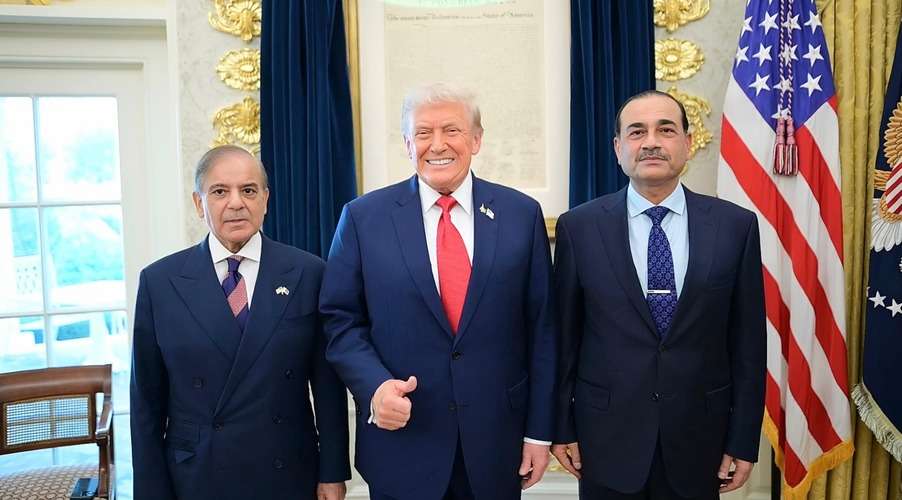
The back-channel efforts led by Pakistan’s military strongman Asim Munir culminated on Tuesday night in the announcement by the US, Iran and Israel of a two-week ceasefire, hours after Trump had threatened to destroy Iran’s “whole civilisation” if Iran didn’t meet his terms.
FT has confirmed what we all speculated from the “Draft for Pakistan PM” post.
The White House pushed Pakistan into brokering this “ceasefire” as Trump was desperate for an out.
Iran had to be dragged to the table, which is why their demands have not changed and why this peace… https://t.co/jnitpcbd6v
— Adam Cochran (adamscochran.eth) (@adamscochran) April 8, 2026
Trump, worried about surging oil prices and surprised by a resilient Iranian regime, was eager for a ceasefire since at least his first threat on March 21 to “obliterate” Iran’s power plants, according to five people familiar with the Pakistan-led back channel.
With Trump’s deadline looming on Tuesday, Munir embarked on a flurry of calls to top US officials, including Trump, vice-president JD Vance and special envoy Steve Witkoff.
The US and Pakistan believed Iran was more likely to accept the US-backed offer if it was delivered by a Muslim-majority neighbour state that had emphasised its neutrality throughout the conflict.
Prime Minister Shehbaz Sharif made the two-week proposal public on social media after Munir spoke with Iranian foreign minister Abbas Araghchi. Sharif, who framed the deal as Pakistan’s initiative, mistakenly included a subject line at the top of his post: “draft — Pakistan’s PM message on X”.
https://archive.mmnews.tv/pakistan-pms-plea-to-trump-was-allegedly-scripted-by-outsiders-forbes/
Shortly after Trump issued his first ultimatum to open the strait, Munir and other senior Pakistani officials began passing messages between Iranian political and military figures and the White House.
They pitched Islamabad as a venue for a peace summit, shared a US-drafted 15-point proposal and then Iran’s five- and 10-point responses, and raised options for ceasefires ranging from 45 days to two weeks. The two sides remained far apart in their demands, but Iran, over time, became more amenable to diluting and accepting limits on its stockpile of uranium, two regional diplomats said.
After weeks of heavy US and Israeli bombardment, Araghchi and other political leaders in Tehran had agreed to a temporary ceasefire-for-Hormuz deal in principle days ago. But they were struggling to get final assent from the Islamic Revolutionary Guard Corps, according to two people familiar with the Pakistan-led back channel.
The IRGC, Iran’s dominant military and political force, was fractured. Some elements were strongly opposed to ending the war, loosening control of the strait and returning to talks with the Americans, they said. An Iranian drone attack hit the Saudi petrochemical hub of Jubail on Tuesday, in what one Pakistani official called a “last-ditch move to derail talks”.
Islamabad, which signed a mutual defence pact with Riyadh last year, reacted angrily, signalling to Iran that these strikes could destroy peace efforts and leave Tehran isolated.
Pakistan, which had been spared Iranian missile and drone strikes, has sought to remain neutral throughout the conflict despite repeated assaults on Saudi Arabia.
In a call with Sharif on Wednesday afternoon, Iranian President Masoud Pezeshkian confirmed that Iran would send representatives to Islamabad for negotiations. One Pakistani diplomat involved in the back channel said they hoped Vance and Witkoff would attend peace talks in Islamabad with Aragchi, parliament Speaker Mohammad Ghalibaf and a “senior person from the IRGC”.
Pakistani officials fear “many spoilers” remain. Fighting continues between Israel and the Iran-backed Lebanese militant group Hizbollah, with Israeli officials declaring Lebanon excluded from the ceasefire. There are also suspicions in Islamabad that some IRGC factions may still pursue attacks on Gulf facilities to undermine the ceasefire.
In a Wednesday afternoon phone call with Munir, Aragchi thanked the field marshal but highlighted “Israeli ceasefire violations in Iran and Lebanon”, according to Iran.
Pakistan also has reservations about components of the Iranian 10-point proposal, particularly the provision about Iranian control over the strait and the right to charge tolls, according to two Pakistani officials.
One person familiar with the situation said China had helped resolve the situation by announcing a five-point plan with Pakistan last week that helped put pressure on Iran to open the strait.
However, there has been no public evidence that Beijing pressured Tehran on Tuesday to accept the deal reached at the eleventh hour.
Asked in an interview with AFP on Tuesday if China pushed Tehran to agree to a ceasefire, Trump said: “I hear yes.” But the US has not provided any details about direct pressure from Beijing.
The person added that Iran had hoped to get more support from China but that Beijing was also concerned about threats against the Gulf states — with which it has economic relationships — and also wanted a ceasefire for that reason.