










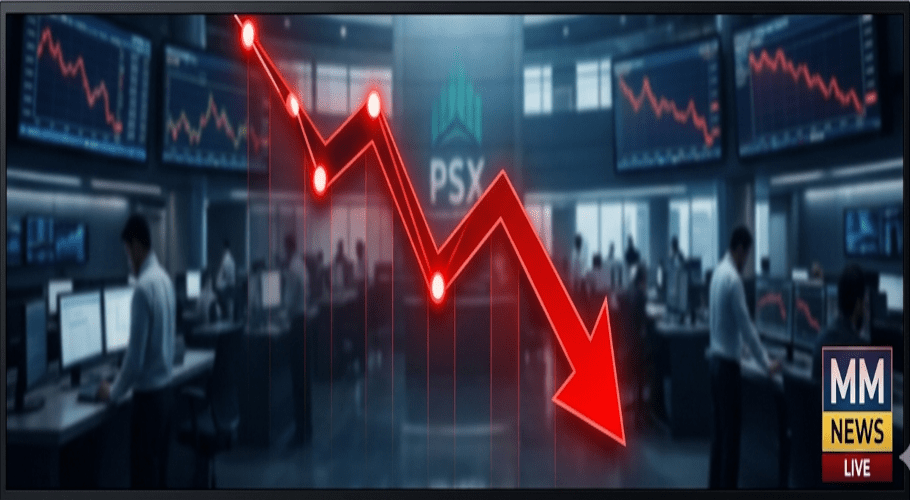
KARACHI: The Pakistan Stock Exchange (PSX) opened Thursday’s session on a bearish note, with the benchmark KSE-100 index shedding over 1,600 points in early trade as investors reacted to escalating geopolitical tensions and fresh domestic economic shocks.
At 9:40am, the KSE-100 stood at 164,150.44 points, down 1.01%, while the broader All-Share Index lost 699 points. Market breadth remained weak, with 253 scrips declining against 105 advancing, underscoring the prevailing pessimism on the trading floor.
The downturn coincided with reports of ceasefire violations in the Middle East, including Israel’s continued strikes on Lebanon, an attack on Iran’s oil refinery, and Iran’s retaliatory strikes on Saudi Arabia and other targets. Analysts said the flare-up has rattled global energy markets, adding to investor unease in Pakistan.
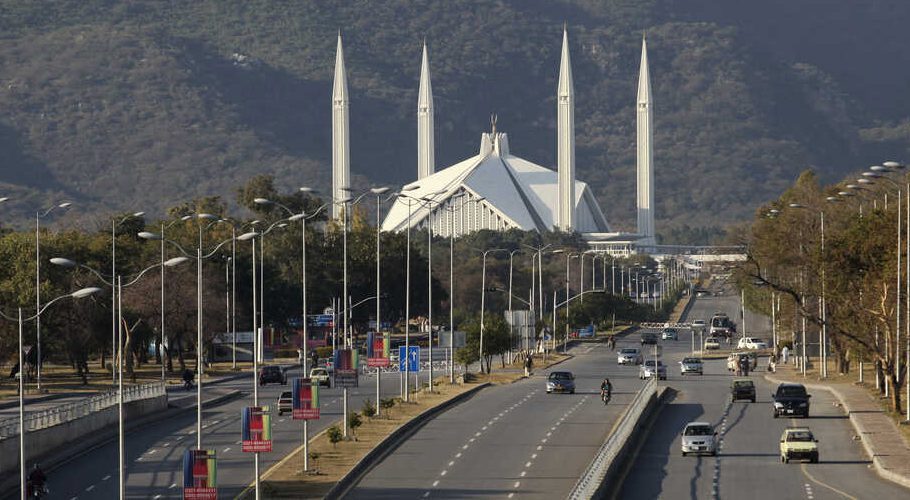
Pakistan itself has been thrust into the diplomatic spotlight, having recently brokered a US–Iran ceasefire and preparing to host crucial Middle East peace talks in Islamabad on Friday. Yet, despite the country’s elevated role in global negotiations, investors and the public alike remain skeptical. “People aren’t getting good vibes out of these developments,” one trader remarked, noting that the domestic economic strain overshadows any optimism about Pakistan’s diplomatic clout.
Domestically, sentiment was further dented by policy decisions overnight. Hopes of a cut in fuel prices failed to materialize, while the National Electric Power Regulatory Authority (NEPRA) announced a hike in electricity tariffs, compounding inflationary pressures for households and businesses alike.
https://archive.mmnews.tv/ceasefire-diplomacy-fails-to-bring-relief-in-pakistans-petrol-prices/
“Investors were expecting some relief on the energy front, but instead they’ve been hit with higher power costs,” said a brokerage analyst. “Coupled with regional instability, the mood is one of hopelessness.”
Trading volume in the opening hour stood at 94.27 million shares, with a value of Rs6.25 billion across 41,782 trades. Key indices including the KSE-30, KMI-30, and Banking Index also registered losses between 0.7% and 0.9%.
Market watchers caution that unless clarity emerges on both the geopolitical front and domestic energy pricing, volatility is likely to persist through the session.