










ISLAMABAD: Speculation that Pakistan would announce a further reduction in fuel prices has quietly fizzled out, as Prime Minister Shehbaz Sharif made no such announcement last evening despite mounting public expectations — and despite Pakistan playing a pivotal role on the world stage in brokering the landmark US-Iran ceasefire.
In the days leading up to the expected address, media outlets and journalists widely perceived as aligned with the government and ruling party had actively spread rumors of an imminent cut in petrol prices, citing Pakistan’s leading role in bringing about the US-Iran ceasefire as justification for fresh relief at the pump. They even went to the extent of running news bulletins, saying PM was to address the nation live.
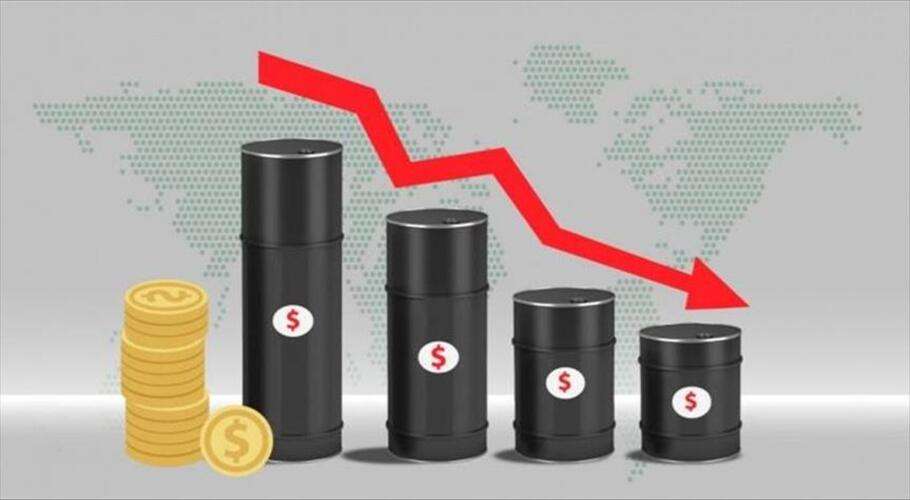
Government-aligned analysts and media voices had widely predicted that the next fortnightly review — potentially mid-April — would bring fresh relief, riding on the wave of diplomatic goodwill and a sharp global oil price decline triggered by the 14-day truce. WTI crude had plunged 14–16% to $96–$97 per barrel, while Brent fell 13–14% to $93–$95, following Iran’s temporary reopening of the Strait of Hormuz — a breakthrough in which Islamabad claimed a leading role.
Those rumors have now come to nothing, and those hopes, however, have gone unmet.
On the contrary, in yet another fresh blow to already stretched household budgets, the National Electric Power Regulatory Authority (NEPRA) approved an increase of Rs 1.42 per unit in electricity tariffs under monthly fuel adjustment charges. The hike will be reflected in consumers’ April electricity bills, compounding the financial pressure on millions of Pakistanis who had only recently received partial relief when petrol prices were cut by Rs 80 per litre — from Rs 458 to Rs 378 — effective April 4.
While the government has pointed to the petroleum levy reduction as a significant gesture, industry groups like the Pakistan Industrial and Traders Associations Front (PIAF) continue to argue that removing all petroleum levies could theoretically bring petrol prices down to as low as Rs 215 per litre — less than half the current rate. That demand remains firmly off the table.
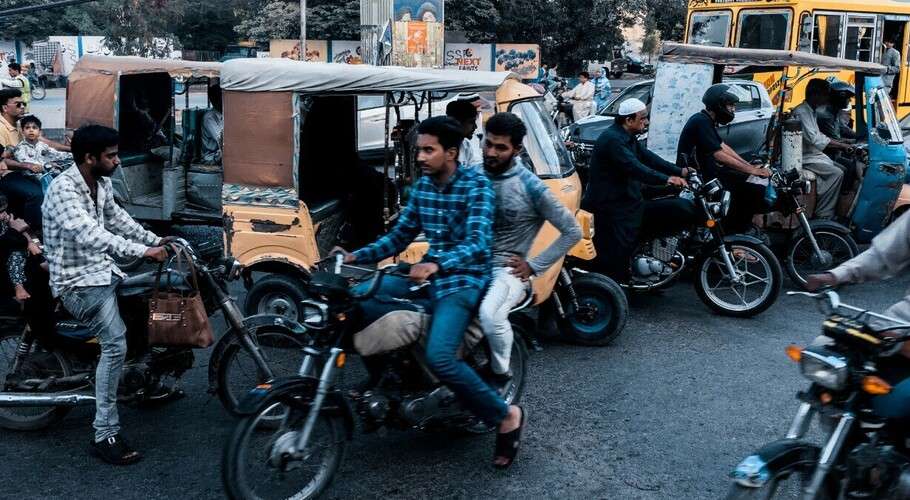
With no fuel price cut forthcoming and electricity bills set to rise, the broader cost-of-living relief that many Pakistanis had anticipated — buoyed by their country’s diplomatic standing — appears, for now, to have been a false dawn.