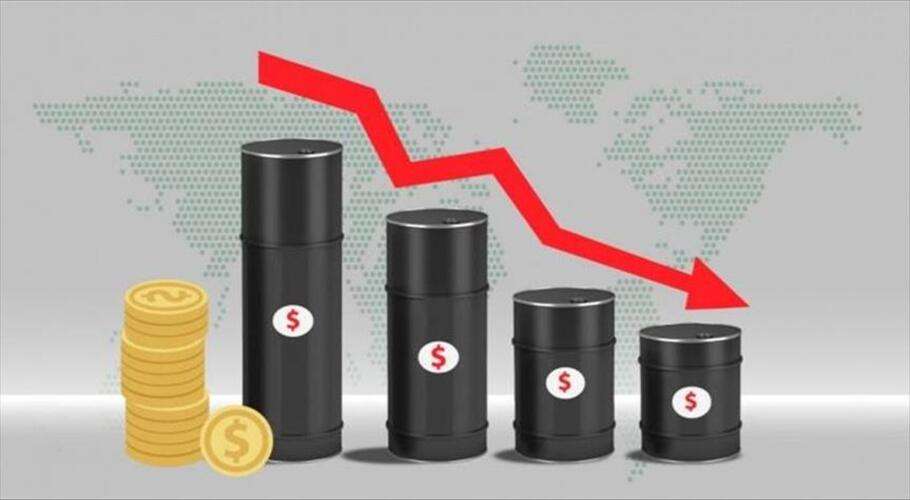











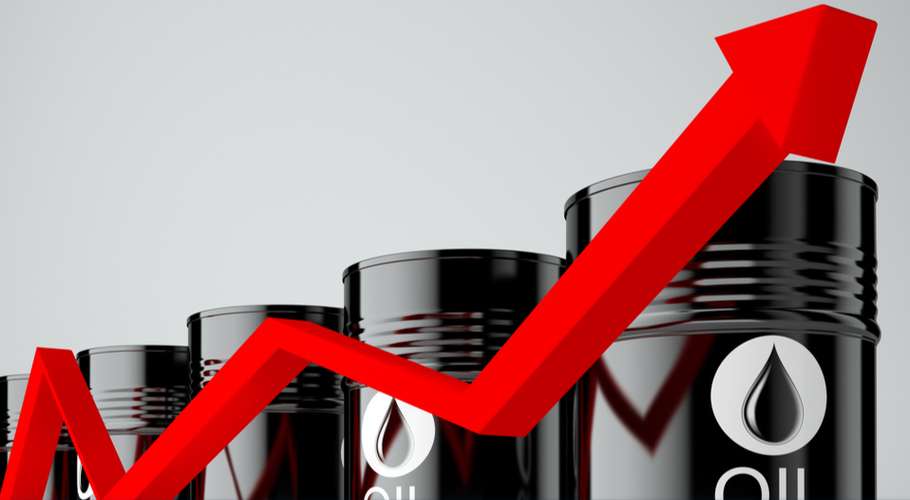
NEW YORK/LONDON: Oil prices surged on Sunday after President Donald Trump issued a stark ultimatum to Iran, threatening to bomb the country’s power plants and bridges unless Tehran reopened the Strait of Hormuz by Tuesday evening — a move that reignited fears of prolonged supply disruption and pushed Brent crude up 1.3% to $110.47 per barrel.
U.S. West Texas Intermediate (WTI) crude futures for May delivery pared earlier gains to trade up 0.5% at $112.08 per barrel at 9:28 p.m. ET, after briefly topping $114 earlier in the session. International benchmark Brent crude for June delivery also scaled back, rising 1.3% to $110.47 per barrel, having exceeded $114 on Friday.
The latest price spike is the most recent chapter in a weeks-long energy crisis rooted in the ongoing U.S.-Israel-Iran conflict.
Iran effectively closed the Strait of Hormuz — a narrow waterway through which approximately 20% of global oil shipments pass — around February 28, halting tanker traffic and triggering an initial wave of supply fears that drove U.S. crude past $100 per barrel by early March.
Production slowdowns across the broader Middle East compounded the disruption, laying the groundwork for what analysts have described as one of the most severe supply shocks in recent memory.
The crisis since then has intensified through a series of escalating threats and counter-threats.
On March 21–22, Trump issued a 48-hour ultimatum via his Truth Social platform, warning Iran to fully reopen the Strait or face strikes on its power infrastructure. Brent prices jumped to the $113–$114 range in response. Iran subsequently vowed retaliation against Gulf energy sites, while continued U.S. threats and Israeli military actions kept tensions elevated through late March.
The latest flashpoint came over the weekend, when Trump delivered what the White House described as a national address, followed by an expletive-laden social media post warning that Iran would be “living in Hell” if it failed to comply. The president explicitly threatened to bomb Iranian power plants and bridges.
In a follow-up post offering no further explanation, Trump wrote simply: “Tuesday, 8:00 P.M. Eastern Time!”
Traders responded swiftly, though prices pulled back from intraday highs as markets weighed the likelihood of a diplomatic breakthrough against the risk of direct military escalation.
“The market is pricing in a very real possibility that this doesn’t get resolved diplomatically,” one energy analyst said. “Every ultimatum that passes without resolution adds another floor to the price.”
The buildup of layered threats — from the initial Strait closure, through successive ultimatums, to the prospect of a prolonged regional war — has driven historic single-day price gains in recent weeks, with no swift resolution currently in sight.