DADU: In a significant legal development that has sent ripples through the province, the Model Criminal Court in Dadu announced its final judgment Monday morning, acquitting all eight accused in the high-profile triple-murder case of Umme Rabab Chandio’s family members.
The verdict brings an end to an eight-year legal battle that became a symbol of the struggle against feudal influence in rural Pakistan.
The court, presided over by the Model Criminal Court judge, had reserved its decision following the conclusion of witness testimonies and final arguments in the previous hearing. Today’s ruling declared all eight nominated individuals—including two prominent Members of the Provincial Assembly (MPAs) from the Sindh Assembly—not guilty.
At the time of the verdict, four accused were reported in judicial custody while four other were attending the proceedings on bail.
Under the principle of “double jeopardy,” the case is now legally concluded in favor of the accused, meaning they cannot be retried for these specific charges unless substantial new evidence is presented to a higher court.
Case Background
The case dates back to January 17, 2018, in Mehar town, Dadu district. In a brazen daylight attack occurring within the vicinity of the Deputy Superintendent of Police (DSP) office, three members of the Chandio family were gunned down:
1. Raees Karamullah Chandio (Grandfather)
2. Tamindar Mukhtar Ali Chandio (Father)
3. Qabil Chandio (Paternal Uncle)
The incident was widely reported by media across Pakistan as a targeted hit linked to deep-seated tribal and feudal rivalries.
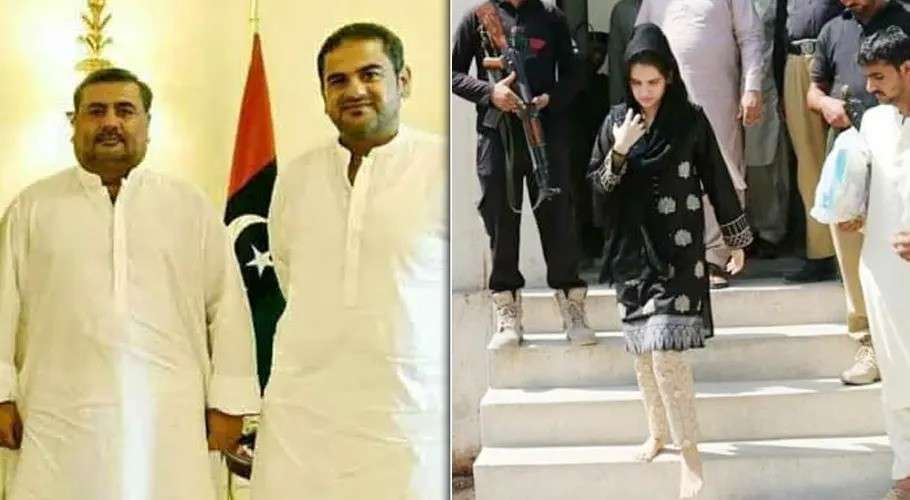
The case gained national attention due to the persistence of Umme Rabab Chandio, who famously walked barefoot to courts and protested for years, alleging that the killings were ordered by powerful feudal lords.
The First Information Report (FIR) nominated eight individuals, including influential leaders of the Chandio tribe and sitting MPAs associated with Sindh’s ruling party, the Pakistan Peoples Party (PPP). Umme Rabab maintained throughout the trial that her family was targeted for challenging the established Sardari (feudal) system in the region.
While the defense argued that the accusations were politically motivated and lacked concrete forensic links, the acquittal marks a somber moment for the complainants who have spent nearly a decade seeking a conviction.