










The Pentagon is looking at sending up to 10,000 additional ground troops to the Middle East to give President Trump more military options even as he weighs peace talks with Tehran, says Wall Street Journal quoting Department of Defense officials with knowledge of the planning.
The report comes as 2,200 Marines from the 31st Expeditionary Unit are expected to arrive in the region by Friday. In addition, 2,500 Marines from the 11th Expeditionary Unit are also on their way.
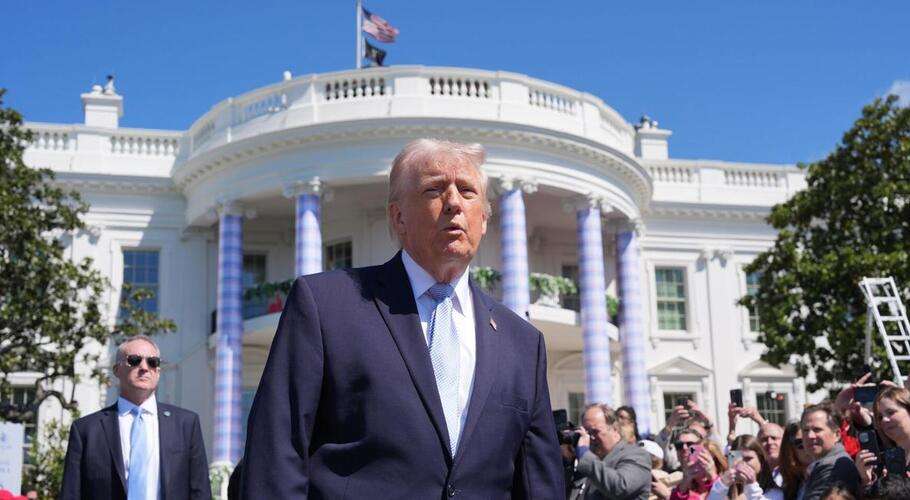
Trump earlier said he was pausing strikes on Iran’s energy sector for 10 more days, to April 6, so peace negotiations can take place beyond his previous Friday deadline. Peace talk mediators said Iran didn’t ask for the additional time. Trump said the extension was at Iran’s request.
Reports suggest that Trump is considering invading Iran’s Khrag Island in the Persian Gulf to put pressure on Iran’s government to reopen the Strait of Hormuz, which Iran closed shortly after the U.S. and Israel began bombing the country on Feb. 28. About 20% of the world’s crude oil flows through the strait. The war and subsequent closure have sent oil prices surging. Iran has oil facilities on Kharg Island, which process about 90% of Iran’s crude.
Wall Street Journal said “The force, which would likely include infantry and armored vehicles, would be added to the roughly 5,000 Marines and the thousands of paratroopers from the 82nd Airborne Division who have already been ordered to the region.”
The report said that although it is unclear where the forces would be deployed in the Middle East, “they will likely be within striking distance of Iran and Kharg Island.”
“All announcements regarding troop deployments will come from the Department of War,” Deputy Press Secretary Anna Kelly told the Journal, using the non-statutory name for the Department of Defense. “As we have said, President Trump always has all military options at his disposal.”
Trump warned that if Iran failed to meet US demands, Washington could target additional infrastructure, including power plants.
He further told Fox News that the United States “knocked out” most of Iran’s missile capabilities and key military systems during the strikes.
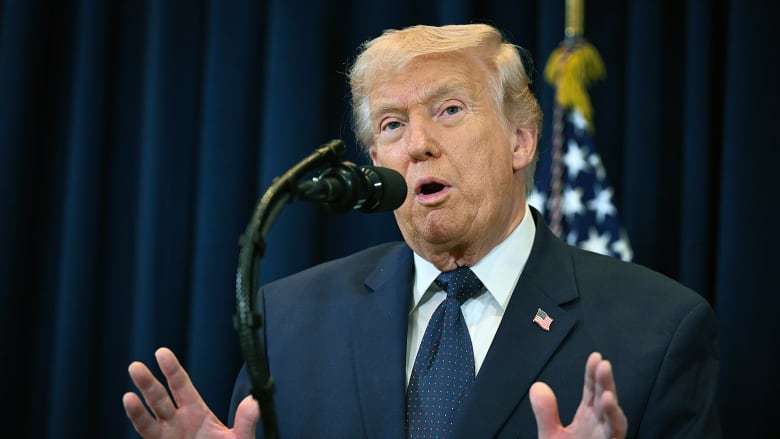
Earlier on Thursday, Trump commented on the progress of Operation Epic Fury at a cabinet meeting, saying, “Over the past three weeks, we’ve been hitting Iran’s military capabilities at a level that few people have ever seen before. It’s a display of force and precision and skill like nothing the world has really witnessed.”
The Senate Armed Services Committee is planning to hold its first public hearing on the Trump administration’s war with Iran—but not before mid-April when senators return from their spring recess.
In the meanwhile, Iran allowed several Pakistan-flagged oil tankers through the Strait of Hormuz, a gesture Trump called a “present” to the U.S. that shows Iran’s leaders are serious about negotiating.
Pakistan said the U.S. and Iran were engaged in indirect talks through messages it was relaying, and that Tehran was considering Washington’s proposals.
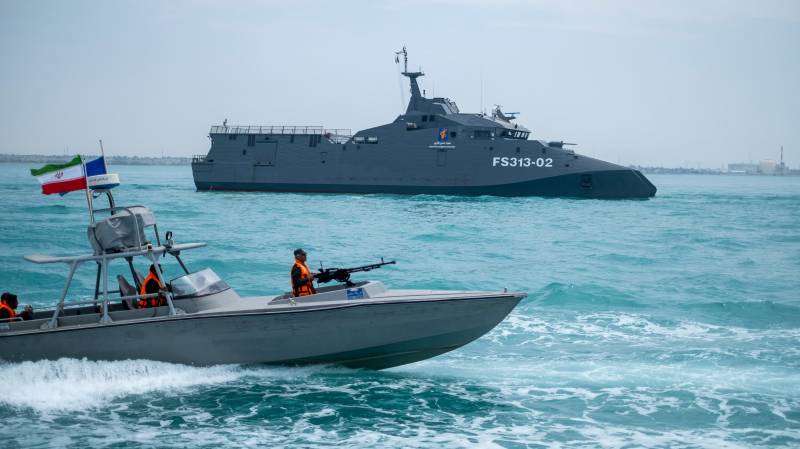
Israel said earlier that it killed the commander of Iran’s Revolutionary Guard navy, who was “directly responsible” for mining and blocking the strait, in overnight strikes. The head of U.S. Central Command called on every Iranian in the navy to abandon their posts or risk death.