









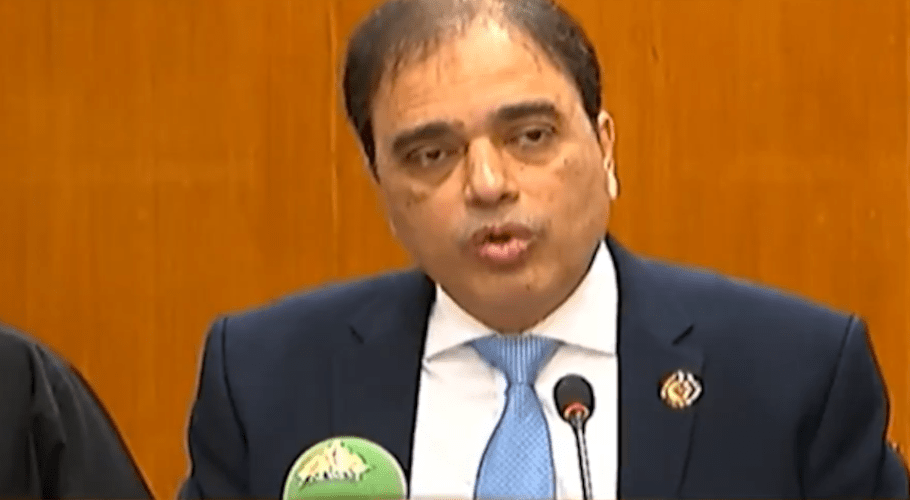
KARACHI: Senior Vice President of the Federation of Pakistan Chambers of Commerce and Industry (FPCCI) Saqib Fayyaz on Friday categorically rejected statements allegedly made at an international forum by PTI‑linked personalities, and urged sustained government action to protect Pakistan’s GSP Plus trade privileges with the European Union, calling the status “the lifeline” of the country’s export sector and economy.
Addressing a press conference, Saqib Fayyaz warned that GSP Plus is “very important for Pakistan,” and said exports to European countries have risen from $3.5 billion to $8 billion since the facility was granted. “GSP Plus is the lifeline of Pakistan’s export and economy,” he said, adding that export‑led growth is the last viable route out of International Monetary Fund (IMF) debt and that strengthening exports is “inevitable.”
His presser followed reports peddled by federal government ministers and their social media accounts that, citing human‑rights concerns in Pakistan, some elements linked to the incarcerated PTI leader Imran Khan’s party had demanded reviewing Pakistan’s GSP Plus status.
The FPCCI president stressed the textile sector’s central role in the country’s economy and said Pakistan has largely met GSP Plus standards, accusing India of a “trade conspiracy” in the EU aimed at undermining Pakistan’s status. He said some quarters were running negative propaganda against the country’s GSP Plus credentials and urged the government to prepare a robust economic plan; the business community, he added, stands in solidarity with state efforts to defend the trade concession.
Speaking on the occasion, FPCCI Vice‑President Aman Paracha warned unemployment is rising amid a “tough economic situation” and reiterated concerns that India is pushing for withdrawal of GSP Plus. Both leaders framed the press conference as a response to the government’s allegations about PTI‑linked statements and called for unity between business and government to protect the trade facility they say is crucial for export recovery and broader economic stability.