










KARACHI: A burgeoning crisis in the Middle East is quietly dismantling the global food supply chain, exposing a critical “blind spot” that experts warn could trigger a historic surge in food inflation and a collapse in crop yields across the globe.
While international attention remains fixed on volatile oil prices, a report by Morgan Stanley reveals a far more systemic threat: the region’s stranglehold on the building blocks of modern agriculture and industry.
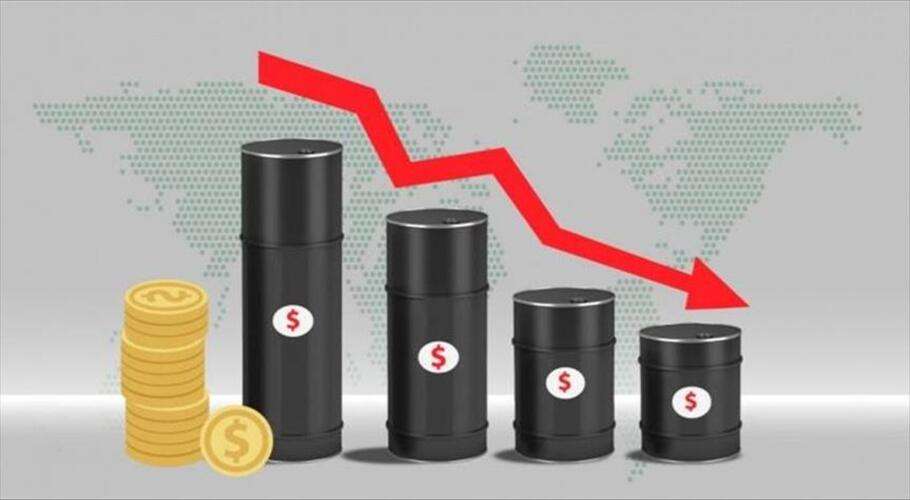
Everyone is focused on oil prices. A new Morgan Stanley report shows the real supply chain threat nobody is talking about.
The Middle East controls 45% of global sulphur, the key input for fertilizer production. It also controls 22% of urea, ammonia, and diammonium phosphate,… pic.twitter.com/WT7hVrcs9H
— TFTC (@TFTC21) March 19, 2026
Unlike the 2022 fertilizer crisis where sanctions slowly squeezed supply, the current situation represents an immediate kinetic disruption with missiles hitting infrastructure in real-time. Nine critical commodities, ranging from crude oil to helium and aluminum, are now caught in an active warzone.
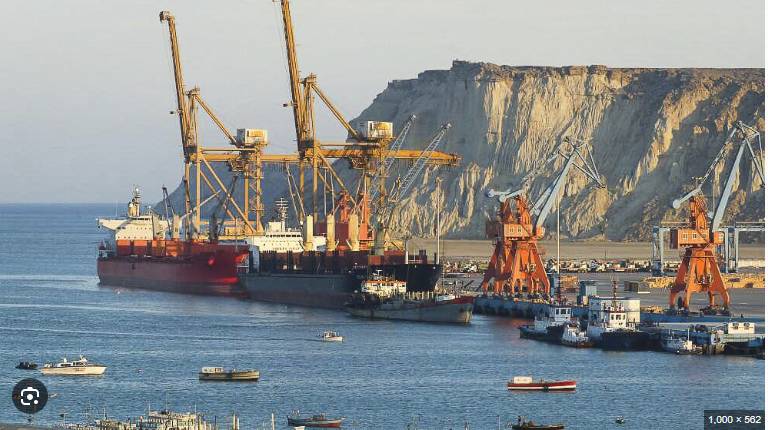
The Middle East controls 45 per cent of the global trade in sulphur, an indispensable input for the production of sulfuric acid and phosphate fertilizers. Without sulphur, the manufacturing of high-yield fertilizers effectively grinds to a halt. As warfare and maritime insecurity choke the Strait of Hormuz, exports have plummeted, forcing industrial giants to curtail production.
The disruption extends to the nitrogen and phosphate sectors, where the region accounts for 22 per cent of the global trade in urea, ammonia, and diammonium phosphate (DAP). These are the key crop nutrients for food production, and their scarcity is already being felt in the mining and agricultural sectors.
The crisis is compounded by a 19 per cent global market share of LNG, which serves as a vital fuel for electricity and a primary feedstock for ammonia. With LNG prices jumping 74 per cent since late February, the production of nitrogen-based fertilizers has become increasingly uneconomical.
The ripple effects reach far beyond the farm.
The region’s control over 34 per cent of crude oil and 33 per cent of the world’s helium—critical for semiconductors, aerospace, and MRI systems—threatens to stall high-tech manufacturing and healthcare. Furthermore, with the Middle East providing 24 per cent of global aluminum and 30 per cent of methanol, industries ranging from automotive and construction to textiles and footwear are bracing for a supply shock. Unlike previous commodity shocks where land routes offered a alternative, the maritime nature of these supply chains leaves the global market with no immediate “Plan B.”
For the United States, the impact is moving rapidly from the farm to the retail shelf.
Despite being a major producer, the US remains dependent on imports for 35 per cent of its urea needs. Prices at the New Orleans (NOLA) trading hub have already surged from $469 to nearly $600 per metric ton this month alone.
As American farmers face the most expensive planting season in recent history, analysts project that these soaring input costs will translate into a 15 to 20 per cent increase in US grocery prices by the end of 2026. Unless these vital links are restored, the invisible nutrients and materials that sustain the modern economy will remain the latest casualties of war.