










WASHINGTON: Federal Reserve Chair Jerome Powell has delivered a sobering assessment of the U.S. economic outlook, warning that a rapidly escalating Middle East energy crisis is injecting fresh inflation pressure into an already complicated policy environment — just as the central bank tries to balance stubborn price growth, a cooling labor market, and the lingering drag of tariffs.
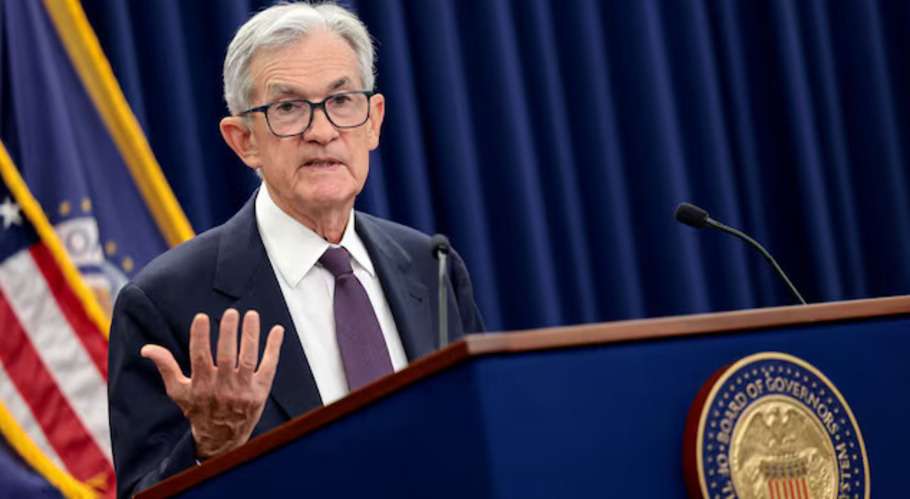
Speaking at a press conference following the conclusion of the Federal Open Market Committee’s two-day policy meeting, Powell acknowledged that surging energy prices — driven by military conflict between the U.S., Israel, and Iran — will push headline inflation higher in the near term. But he was careful to underscore the deep uncertainty surrounding how long those pressures will last.
NOW – FED Chair Powell says rising energy prices will push up inflation, and it is too early to judge the magnitude. pic.twitter.com/3LD9NpOJSK
— Disclose.tv (@disclosetv) March 18, 2026
“We just don’t know how big this will be and how long it lasts,” Powell told reporters. “It may or may not be something that really makes a big imprint on the U.S. economy. We’re just going to have to wait and see.”
The FOMC voted to hold its benchmark interest rate unchanged in the 3.5%–3.75% target range, a decision that was widely anticipated heading into the meeting. More notably, the committee signaled that only one rate cut is now expected for the remainder of 2026 — a hawkish recalibration that reflects mounting concern over dual inflation risks: the ongoing impact of broad-based tariffs and this new, fast-moving energy shock.
Markets reacted swiftly and negatively to the guidance. Stocks fell across major indices and Treasury yields climbed as investors recalibrated expectations for monetary easing, with the prospect of near-term rate relief now looking increasingly remote.
Market researchers say the backdrop to Powell’s remarks is a dramatic and fast-moving escalation in the Middle East that has rattled global energy markets over the past several weeks.
Israeli strikes on Iran’s South Pars gas field — the world’s largest natural gas reserve — on or around March 18 disrupted Iranian gas flows and sent shockwaves through global commodity markets. Iran responded with missile and drone attacks on Gulf energy infrastructure, inflicting what QatarEnergy described as extensive damage to the Ras Laffan industrial complex — the world’s largest LNG export terminal — triggering fires and major operational disruptions. Qatar subsequently expelled Iranian diplomatic attachés in response to the strikes. No casualties have been reported so far.
The consequences for energy markets have been immediate and severe:
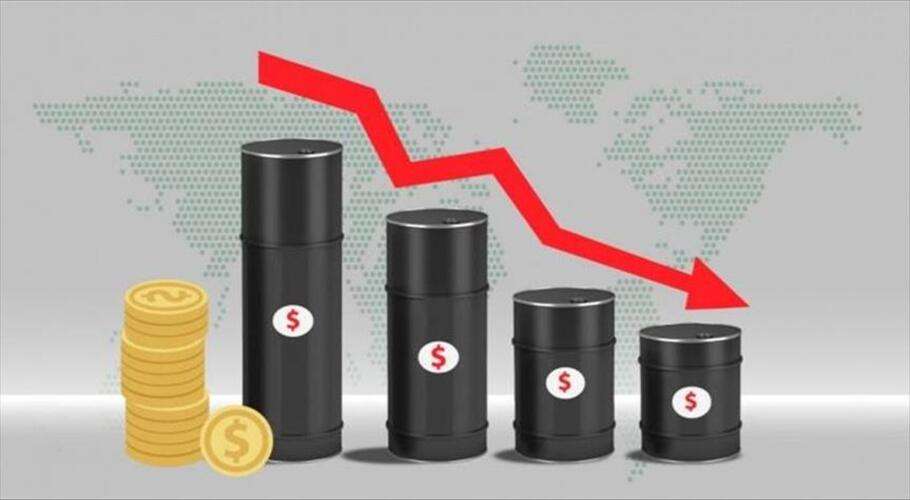
– Global crude oil has surged past $100 per barrel
– U.S. gasoline prices have jumped approximately 30–31% in a short span, climbing from roughly $2.93 to $3.84 per gallon
– Broader energy costs — including diesel and jet fuel — are rising sharply, with downstream effects beginning to ripple through supply chains
Powell noted that the Fed is closely monitoring how these higher costs flow into headline inflation and whether they begin to “leak” into core inflation — the more closely watched measure that strips out food and energy.
It is pertinent to mention here that in past episodes of temporary energy price spikes, the Fed has often opted to “look through” the volatility, treating it as transitory and keeping policy steady.
Powell suggested that this time may be different — or at least, that the Fed cannot yet make that call with confidence. He described the energy surge as a potential “one-time” shock but warned it is arriving at a particularly delicate moment, layering on top of tariff-driven inflation that has already kept price pressures elevated longer than policymakers had hoped. Powell stressed that the Fed would remain “humble” in its forecasts and stands ready to act if conditions warrant — but for now, the central bank is in a watchful, data-dependent posture.
“We’re closely watching how higher energy costs flow into headline inflation and potentially leak into core,” Powell said. “We’re going to be humble about our ability to predict this.”
Analysts believe his press conference underscored just how difficult the Fed’s policy calculus has become. Powell is now navigating a trifecta of headwinds: persistent inflation fueled by tariffs, a labor market that has shown signs of softening, and a fresh geopolitical energy shock with no clear resolution in sight.
The real-time acknowledgment that the Middle East crisis is directly feeding into U.S. inflation concerns marks a significant moment — one that effectively closes the door, at least for now, on the more dovish pivot many market participants had been hoping for heading into the spring.
With oil above $100, gas prices near four-year highs, and a volatile conflict showing no signs of de-escalation, the Fed’s next moves will hinge heavily on whether this energy shock proves fleeting — or becomes the defining inflation story of 2026.
*MM News will continue to provide live updates as markets digest the Fed’s decision and as the situation in the Middle East develops.