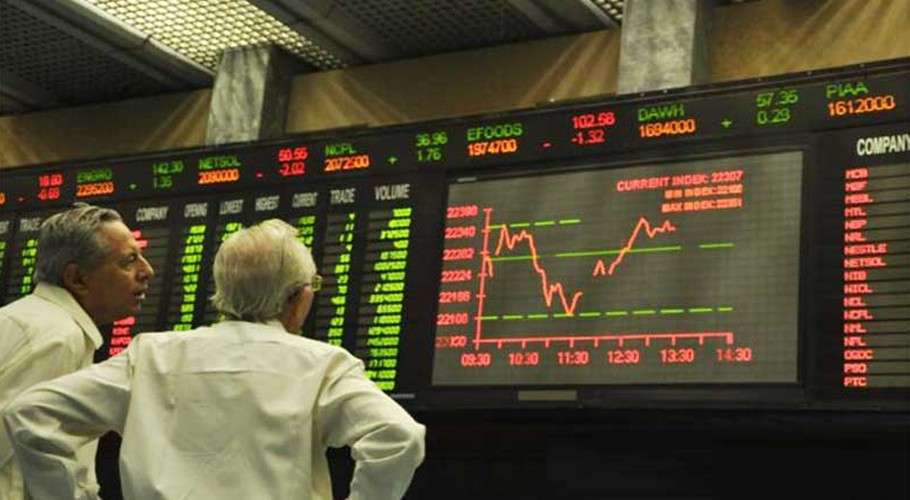
KARACHI: The Pakistan Stock Exchange this week endured a harrowing wave of tradings as the KSE-100 index succumbed to a relentless “bloodbath” triggered by a sharp escalation in Middle East hostilities.
The benchmark index closed the business week at 153,866 points, marking a significant decline of 3,629 points over the five-day period and representing its seventh consecutive weekly loss. This streak of losses has left investors reeling and analysts pointing toward a deepening sense of regional instability.
The week was defined by extreme volatility, with the KSE-100 index swinging within a massive band of 14,505 points, reaching a weekly high of 158,624 before plunging to a low of 144,119. This turbulent activity saw deals for 2.25 billion shares settled at a value of 132 billion rupees, reflecting the high-stakes environment as participants scrambled to adjust their positions.
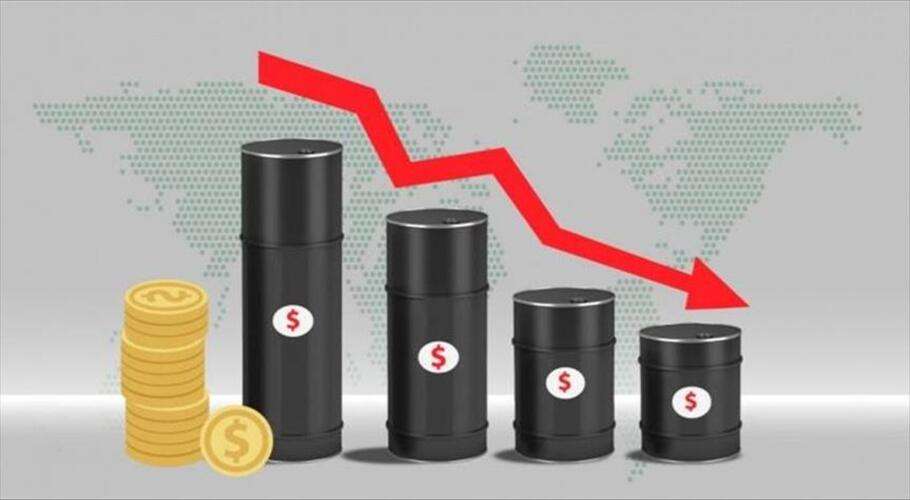
The erosion of investor confidence was most visible in the market capitalization, which plummeted by 369 billion rupees to stand at 17,329 billion rupees by the week’s end. This contraction was fueled by a historic “Black Monday” where the index witnessed its steepest single-day plunge ever recorded, shedding over 16,000 points. The sell-off was a direct reaction to military strikes involving major regional powers and the subsequent retaliation that threatened to choke the Strait of Hormuz. The resulting oil shock, which saw Brent crude surge toward 115 dollars per barrel, sent ripples of panic through a market already sensitive to global energy fluctuations.
Although a record-breaking “dead cat bounce” on Tuesday saw a recovery of nearly 9,700 points due to aggressive bargain hunting and a steady interest rate policy of 10.5 percent from the State Bank, the momentum failed to hold. By the close of the week, the market returned to its downward trajectory as the reality of a prolonged conflict set in.
Foreign institutional investors led the exodus, offloading approximately 25.5 million dollars in equities as they sought safer havens. The domestic economic outlook further dampened sentiment after the government signaled the possibility of a four-day work week and other austerity measures to curb rising fuel import costs. This macroeconomic anxiety translated into a broad-based retreat across several key sectors, with power and utility firms bearing the brunt of the selling pressure.
Companies like Hub Power and K-Electric were hit particularly hard as concerns over fuel costs and the country’s chronic circular debt resurfaced. The cement and construction sectors also faced a significant downturn, with heavyweights like Lucky Cement and Maple Leaf witnessing a slump in their share prices. As energy-intensive industries, these firms are highly vulnerable to the soaring prices of coal and furnace oil, coupled with a projected slowdown in infrastructure demand.
The banking sector was not spared either, as major players such as MCB and Habib Bank became the primary exit points for foreign funds.
Even oil and gas exploration companies saw their gains capped by systemic risks and payment delays.
As the week concluded with a final slump on Friday, the PSX remains gripped by a “sell and go home” mentality, with participants closely watching the Middle East for any signs of de-escalation that might provide a much-needed floor for the market.