










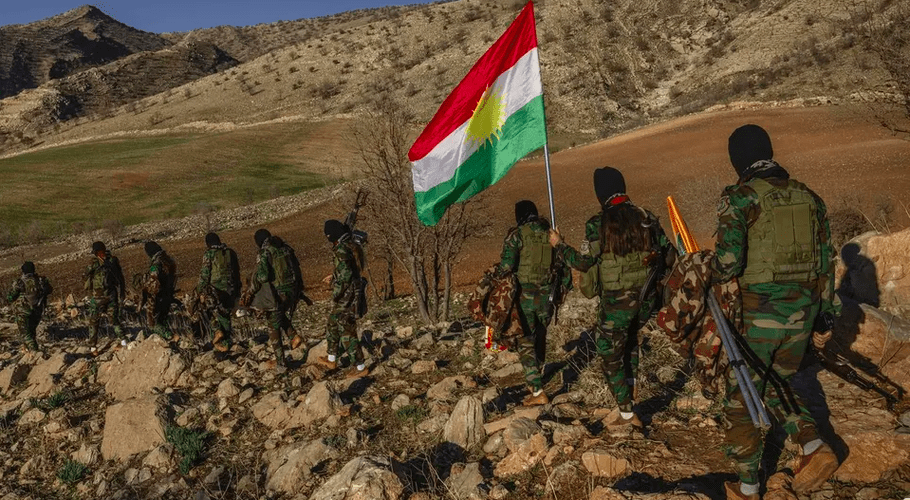
Kurdish opposition groups have reportedly launched a ground offensive against the Iranian regime, with fighters crossing from Iraq into western Iran, a development that seems to pressure Tehran’s forces amid escalating regional tensions.
Reports gathered from multiple sources indicate that although the Kurdish offensive marked a notable escalation in Iran’s border conflicts but remained limited in scope and scale compared to full-scale wars. However, it aligns with broader U.S.-Israeli pressures on Tehran and represents a tactical move to stretch Iranian defenses rather than a decisive blow. On the other hand, previous Iranian strikes on Kurdish positions in Iraq show Tehran’s capacity for swift retaliation, underscoring the offensive’s role as a diversion amid U.S. and Israeli airstrikes.
This came in the backdrop of claims alleging that foreign forces, believed to be American and potentially Israeli, carried out helicopter operations—including airdrops or air-landings—in Iraq’s Najaf-Karbala desert region. Multiple sources report that 4–7 helicopters executed a rapid airborne insertion in the Nukhaib desert, situated between Najaf and Karbala, on Tuesday, March 3, 2026. These operations are said to involve deploying surveillance equipment, establishing a temporary base, or bolstering anti-Iran groups amid rising regional tensions.
As per latest reports, thousands of Kurdish fighters, primarily from Iranian Kurdish groups based in Iraq’s Kurdistan Region, began ground operations near the Iran-Iraq border around March 2-4, 2026. U.S. and Israeli officials confirmed the activity, noting it could divert Iranian resources from other fronts.
Reports suggest key players in the latest development include groups like the Kurdistan Free Life Party (PJAK) and others such as PDKI and PAK, which have bases in northern Iraq and have faced prior Iranian strikes. These forces are preparing to challenge regime security along border areas.
Reports from CNN and other outlets indicate the CIA is actively working to arm Kurdish opposition forces, such as the Democratic Party of Iranian Kurdistan (KDPI), with small weapons supplied via covert channels in Iraq’s Kurdistan Region, aiming to foment unrest and a potential popular uprising inside Iran.
This effort, experts believe, fits a historical U.S. pattern of proxy support against Tehran, mirroring operations where Kurdish and Syrian Democratic Forces (SDF) groups received aid to counter Iranian influence during the ISIS campaign and subsequent border skirmishes.
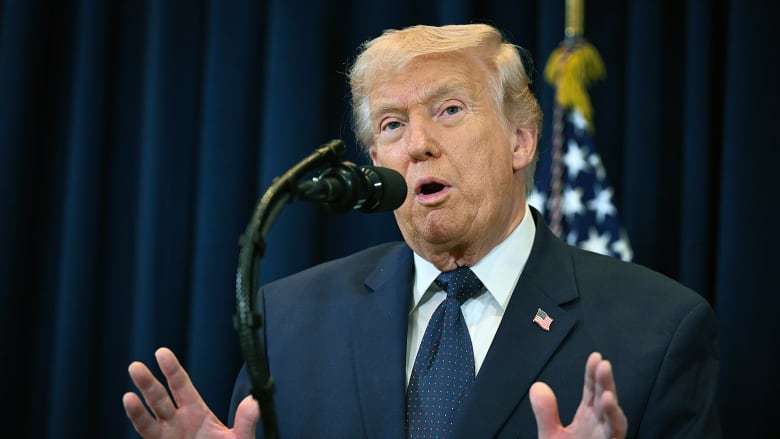
It is noteworthy that President Trump’s recent direct calls to KDPI leader Mustafa Hijri and Iraqi Kurdish figures, alongside discussions on weapon transit through Erbil, underscore the initiative’s momentum amid the ongoing conflict, though the CIA has declined comment.