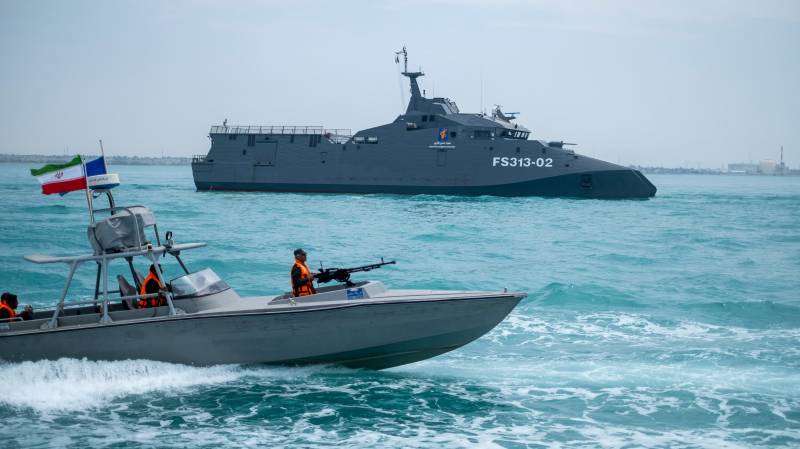











The United States Department of Defence has warned that critical US missile stockpiles could face shortages if the ongoing conflict with Iran continues for another 10 days, as fighting enters its fifth day.
According to reports citing senior Pentagon officials, reserves of key weapons systems — including Tomahawk land-attack missiles and SM-3 interceptors — are already declining.
A CNN report quoted a senior US official as saying a “major uptick” in attacks is expected within the next 24 hours, even as interceptor and missile stocks continue to fall.
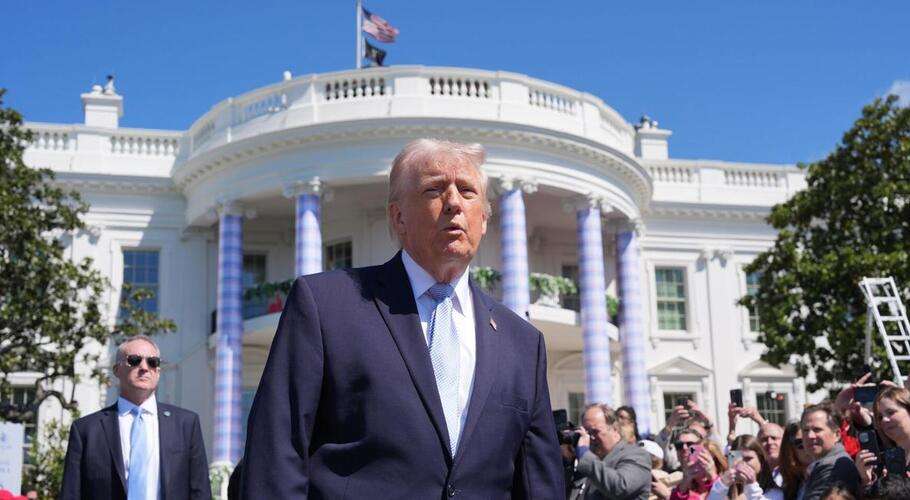
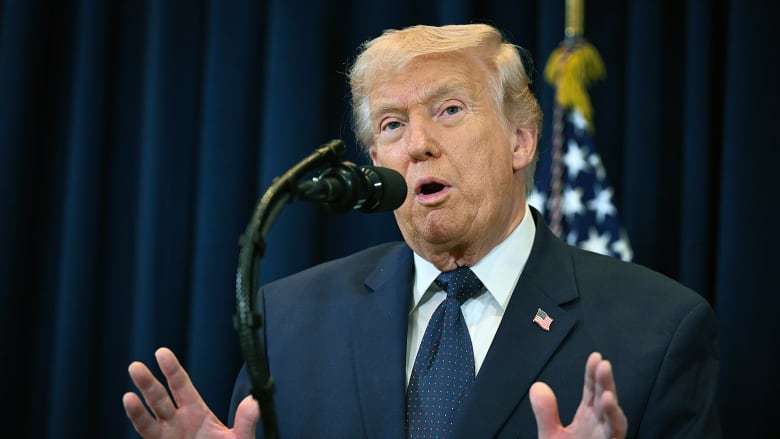
US President Donald Trump has indicated that the war in West Asia could last four to five weeks or longer. On Friday afternoon, Trump expressed dissatisfaction with nuclear talks with Iran and, within hours, ordered military operations targeting Iran’s leadership and military commanders.
Experts told Al Jazeera that interceptor missiles could become critically scarce if the conflict drags on. A previous Wall Street Journal report said Pentagon officials and Joint Chiefs Chairman General Dan Caine warned the president about risks associated with prolonged fighting and dwindling munitions.
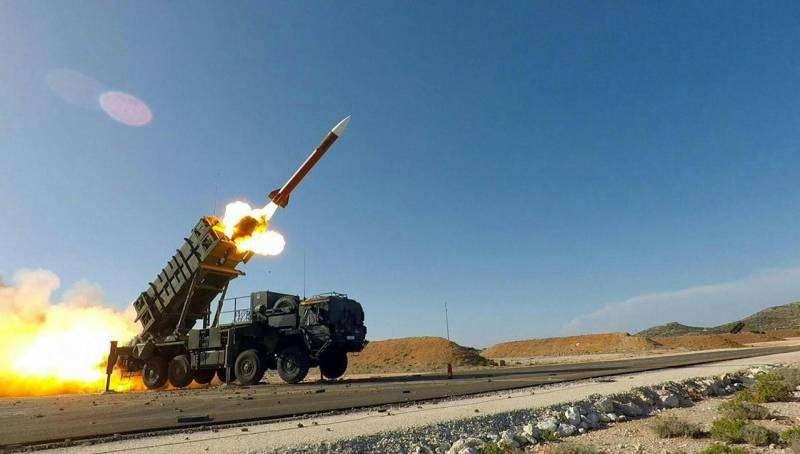
The Pentagon is also facing shortages of Patriot missiles, partly due to supplies sent to Ukraine during its four-year war with Russia.
During last year’s confrontation with Iran, the US reportedly used 25 percent of its THAAD interceptors, firing around 150 missiles, and ran out of certain ship-borne interceptors.
Inventories of SM-3 interceptors have also declined due to slow manufacturing rates, operations against Yemen’s Houthi militants and previous engagements with Iran.
Advanced precision-guided weapons, including Joint Direct Attack Munitions (JDAMs), could also face shortages, as these systems were designed for short, high-intensity conflicts rather than prolonged missile exchanges.
US Secretary of State Marco Rubio acknowledged the production gap, stating that Iran manufactures more than 100 missiles per month, while the US produces only six or seven interceptors monthly.
The financial burden of the conflict is also rising sharply. Reports indicate that the first 24 hours of strikes cost approximately $779 million. Operating a carrier strike group such as the USS Gerald R. Ford costs about $6.5 million per day.
Before the strikes targeting Iranian leaders, the US deployed two aircraft carrier strike groups to the region, a pre-strike military build-up estimated at $630 million.
If the conflict continues for the duration suggested by Trump, total US expenditures could reach $210 billion, according to Kent Smetters of the Penn Wharton Budget Model.