










China has called for an immediate ceasefire between Afghanistan and Pakistan, expressing deep concern over the rapidly escalating conflict between the two neighboring nations.
Beijing confirmed it was actively engaging with both sides in an effort to bring the violent clashes to an end.
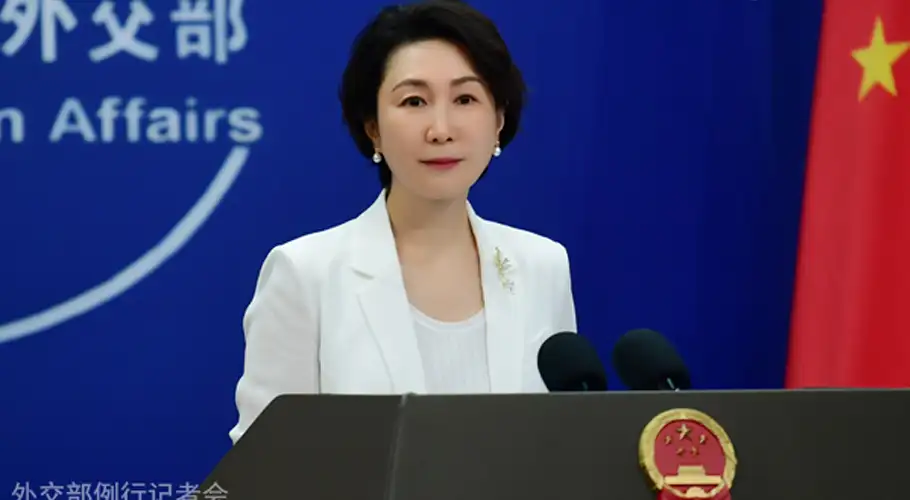
Foreign ministry spokeswoman Mao Ning addressed the situation at a regular press briefing, stating that China was “deeply concerned about the escalation of the conflict” following Pakistan’s airstrikes on major Afghan cities, including the capital Kabul.
She urged both countries to “remain calm and exercise restraint” and called on them to “achieve a ceasefire as soon as possible and avoid further bloodshed.”
Beijing, which maintains close ties with both nations, confirmed it had been working through its own diplomatic channels to mediate the dispute.
Mao stated that China remained “willing to continue playing a constructive role in easing tensions” and that both the foreign ministry and China’s embassies in Islamabad and Kabul were actively engaging with relevant parties on both sides.
The latest round of hostilities was triggered after Afghan forces attacked Pakistani border troops on Thursday night, itself a reaction to earlier Pakistani airstrikes. Pakistan’s defence minister has since declared the two countries to be in a state of “open war,” dramatically raising the stakes of what had already been a deeply volatile situation.
China’s concern over the conflict is rooted in significant strategic and economic interests in the region. Beijing has invested tens of billions of dollars in Pakistan through its Belt and Road Initiative, funding large-scale transport, energy, and infrastructure projects. At the same time, analysts note that China has also cultivated an increasingly important partnership with the Afghan Taliban since they returned to power in 2021.
Given these dual relationships, Beijing finds itself in a uniquely delicate diplomatic position, balancing its long-standing alliance with Pakistan against its growing engagement with Kabul.
Mao confirmed that China had formally requested both countries guarantee the safety of Chinese citizens, ongoing projects, and institutions operating in their respective territories. She added that Beijing was closely monitoring developments on the ground and stood ready to provide assistance to any Chinese nationals who may require help.