










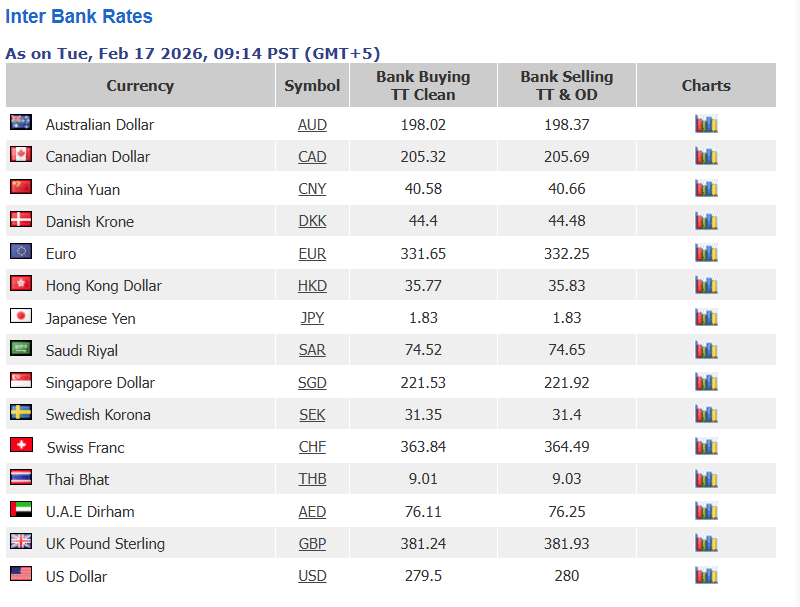
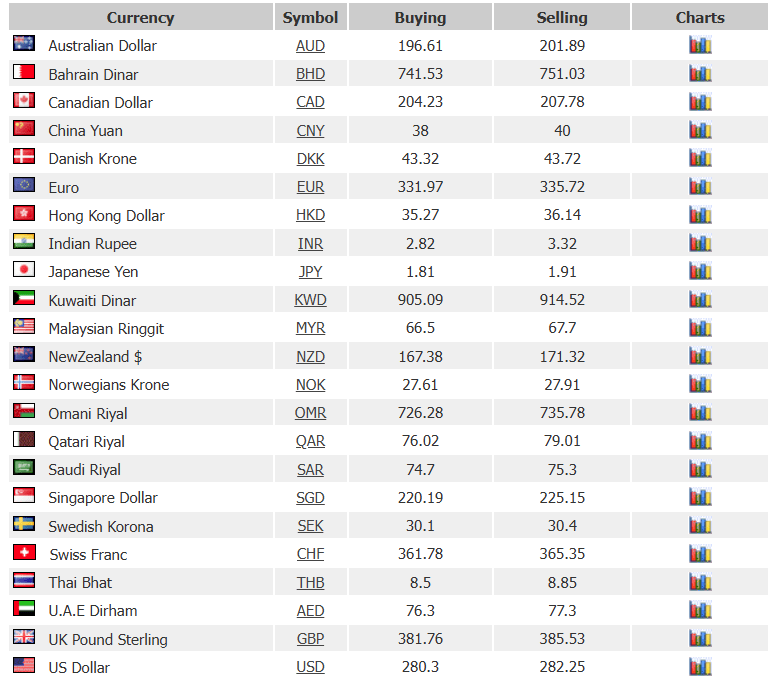
As of February 17, 2026, the Pakistani rupee continues to navigate a complex economic landscape. While the State Bank of Pakistan (SBP) maintains a policy of “cautious stability,” recent data from the interbank and open markets reveals a persistent gap that remains a focal point for traders and policymakers alike.
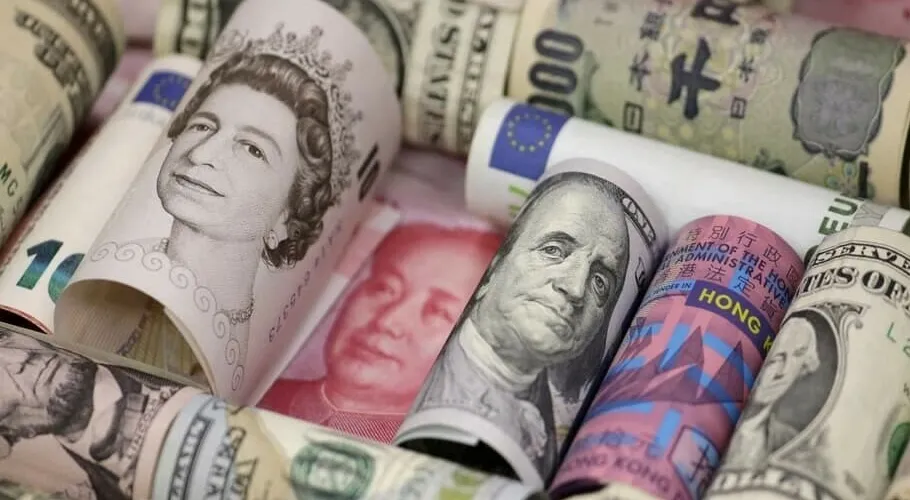
In Pakistan’s current financial framework, the exchange rate operates on two primary levels. Understanding the distinction is vital for businesses and individual remitters.
This is the “wholesale” market where the SBP and commercial banks trade. It is the benchmark used for official government transactions, oil imports, and large-scale corporate trade.
Inflows from the Pakistani diaspora, particularly from Saudi Arabia and the UAE, are projected to reach a record $42 billion for FY26. These inflows act as a crucial buffer against the widening trade deficit.
The SBP has maintained a relatively high policy rate (currently around 10.5%), which has successfully curtailed domestic demand for dollars and kept inflation within a manageable 5–7% range.
Continued engagement with international lenders and recent disbursements have pushed SBP-held reserves to their highest level in four years, discouraging speculative attacks on the currency.