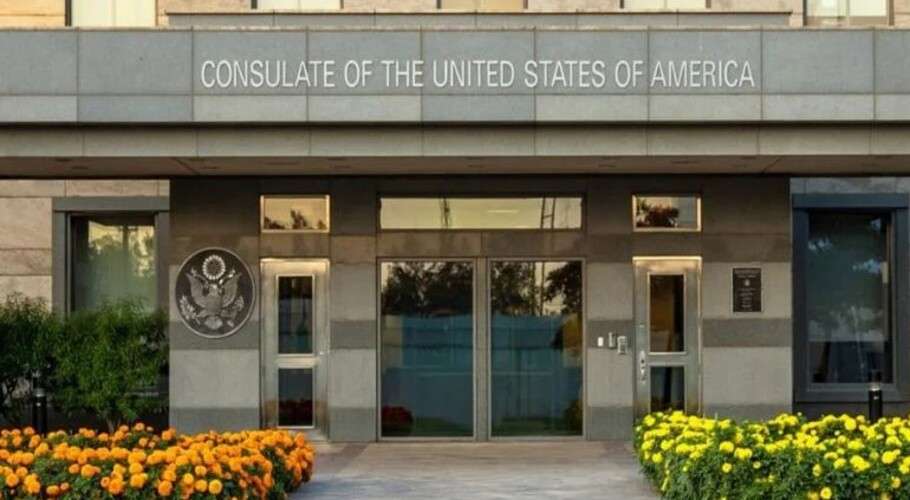











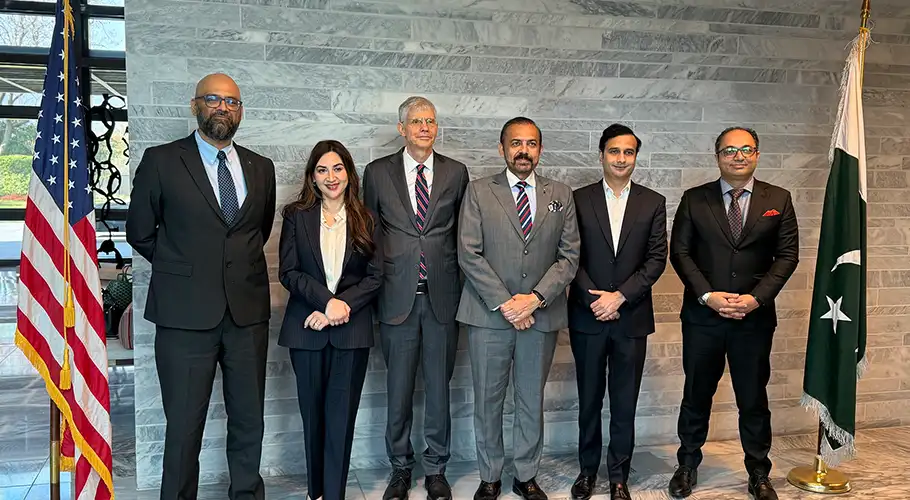
U.S. Deputy Assistant Secretary (DAS) for South and Central Asian Affairs John Mark Pommersheim has concluded a five-day official visit to Pakistan aimed at strengthening bilateral cooperation in economic development, technology, and regional security.
The visit comes at a time when both the United States and Pakistan are seeking deeper collaboration on trade, innovation, and shared security interests.
High-level meetings
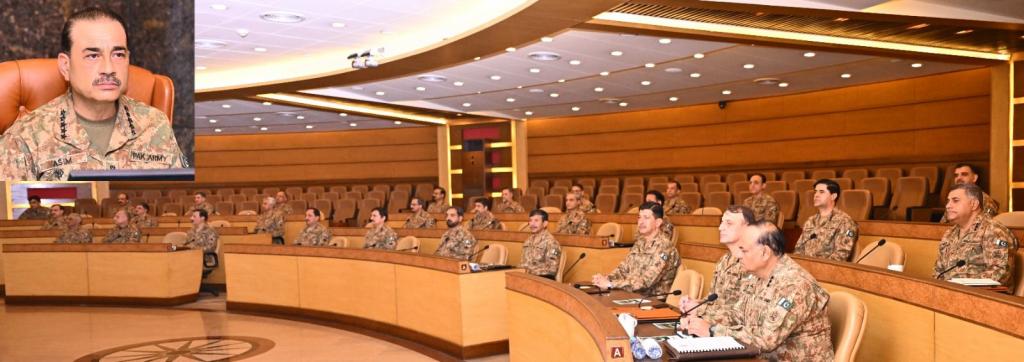
During his stay, Pommersheim held meetings with key civilian and military leadership, including.
- Director General Military Operations Major General Kashif Abdullah
- Director General Military Intelligence Major General Wajid Aziz Khan
- IT & Telecom Minister Shaza Khawaja
- Interior Minister Mohsin Naqvi
- Finance Minister Muhammad Aurangzeb
- Petroleum Minister Ali Pervaiz Malik
- He also interacted with business leaders and alumni of U.S. exchange programs.
- Focus on technology and economy
In Islamabad, the U.S. diplomat attended the launch of Indus AI Week, where discussions focused on expanding cooperation in artificial intelligence, information technology, energy, and mining sectors.
He emphasized creating a level playing field for American companies and boosting bilateral trade and investment.
Pommersheim acknowledged Pakistan’s economic reform efforts under the International Monetary Fund program and encouraged policies supporting private-sector-led growth and transparent investment conditions.
Cultural and educational engagement
In Lahore, the U.S. official attended Basant celebrations, highlighting cultural ties between the two countries. He also met Senior Minister Marriyum Aurangzeb to discuss business engagement opportunities in Punjab and promote Pakistani investment in the United States.
Additionally, he visited the new building of the U.S. Educational Foundation in Pakistan, inaugurated in December 2025, where he interacted with alumni of American exchange programs.
Broader message
Officials described the visit as part of ongoing diplomatic efforts to deepen cooperation in technology, economic development, education, and regional stability, signaling continued engagement between Washington and Islamabad across multiple sectors.