The Pakistani Rupee (PKR) maintained its steady trajectory against the US Dollar this week, closing near 279.60 in the interbank market.
Financial analysts and the State Bank of Pakistan (SBP) signal that the country has entered a period of relative calm, supported by robust foreign exchange reserves and disciplined monetary policy.
Market Performance and Exchange Rates
As of February 14, 2026, the interbank exchange rate was recorded at a weighted average of 279.34 (bid) and 279.76 (offer).
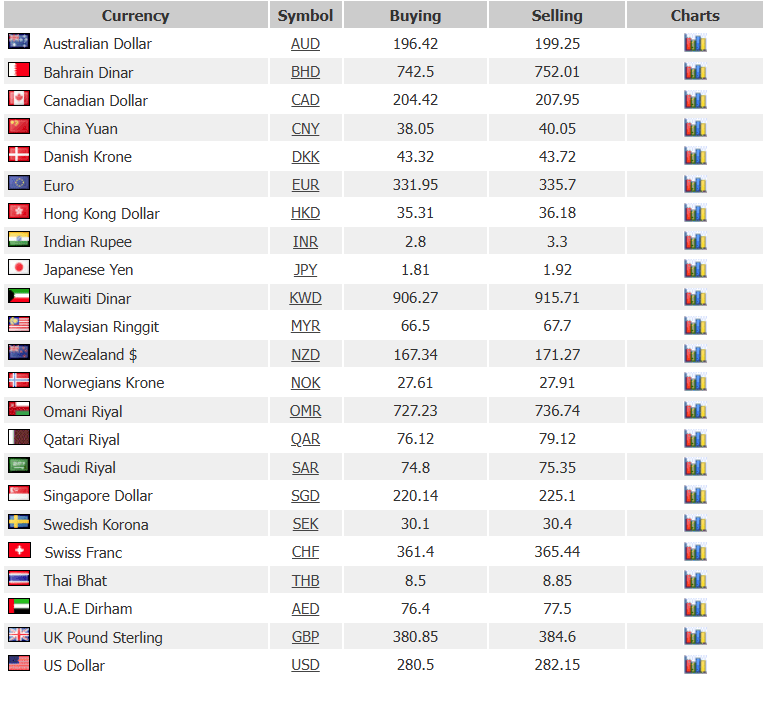
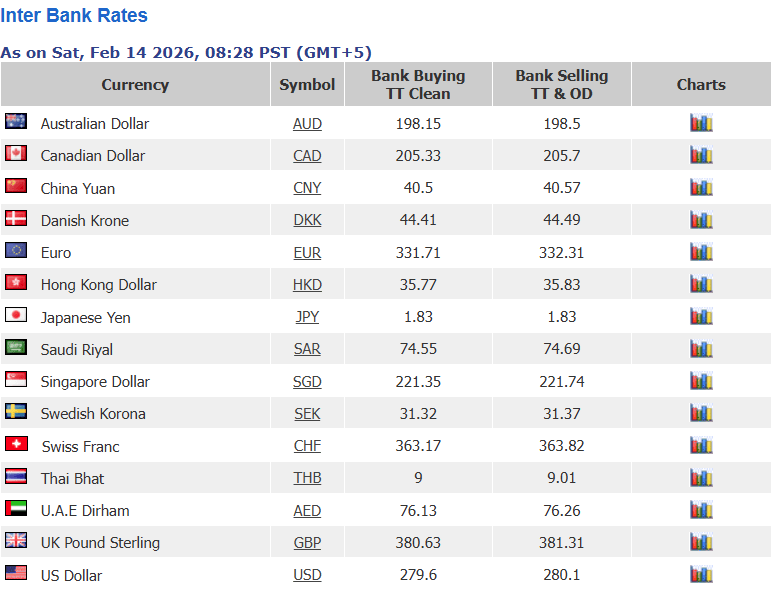
In the open market, the rupee remained equally resilient, hovering around the 280 mark. This stability marks a significant departure from the volatility seen in previous years, providing much-needed predictability for importers and businesses.
The State Bank has recently raised its GDP growth projection for FY26 to a range of 3.75%–4.75%, a more optimistic outlook than initial IMF estimates. This rebound is driven by:
SBP reserves have climbed to approximately $16.1 billion, with total liquid reserves (including commercial banks) exceeding $21.3 billion.
While the immediate threat of a balance-of-payments crisis has receded, experts at BMI (a Fitch Solutions company) warn that the rupee is “walking a tightrope.” The stability is currently anchored by:
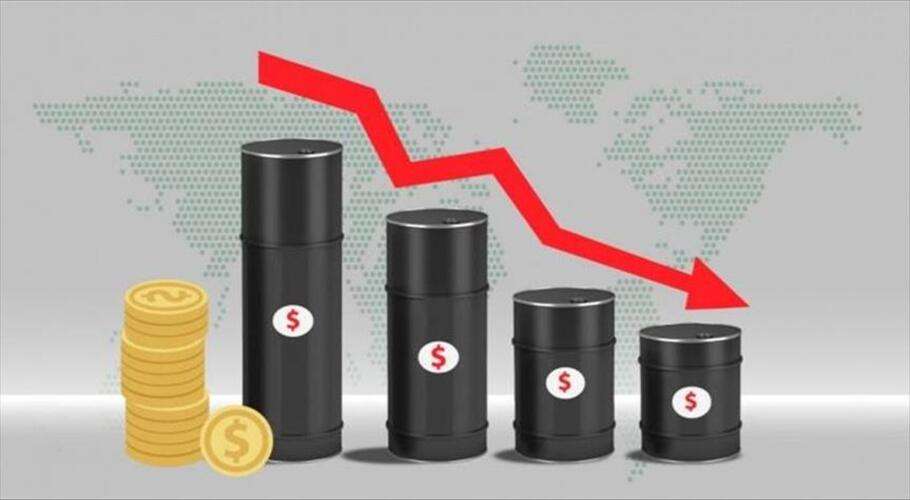
Lower import bills for energy have provided the central bank with “breathing room” to manage the exchange rate without exhausting buffers.
Finance Minister Senator Muhammad Aurangzeb recently briefed international investors on plans to return to global capital markets, citing improved reserves and ongoing tariff reforms. However, the long-term outlook suggests a “measured vulnerability.”
Analysts predict a gradual, phased depreciation toward 294 PKR/USD by 2027 to maintain export competitiveness without triggering an inflation spike.
“Stability is not transformation,” noted one economic analyst. “While the firefighting has stopped, the focus in 2026 must shift from surviving to thriving through structural reforms and productivity.”