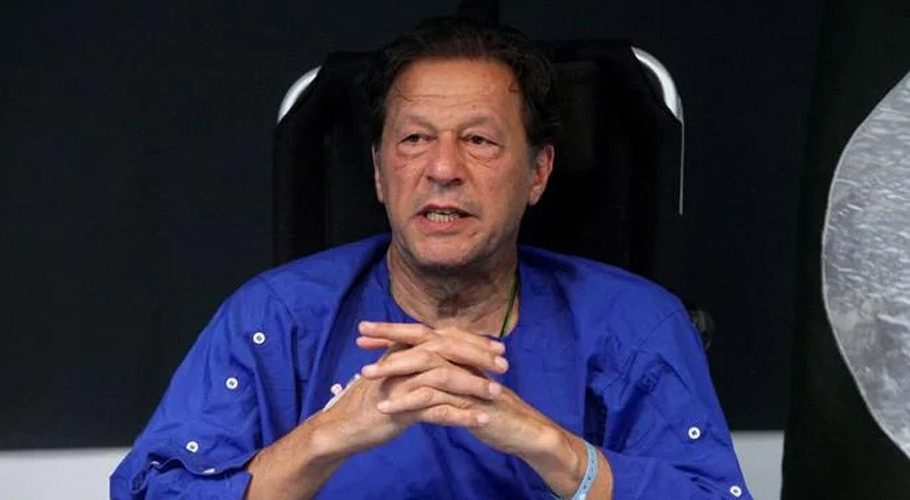












In a significant legal development, the Supreme Court of Pakistan has directed the government to provide incarcerated former Prime Minister Imran Khan access to specialized eye surgeons and facilitate telephonic communication with his sons, Kasim and Sulaiman.
The directives were issued by a two-member bench comprising Chief Justice of Pakistan Yahya Afridi and Justice Shahid Bilal Hassan during a hearing on Thursday, February 12, 2026.
Healthcare as a State Responsibility
The court’s intervention follows a report detailing a serious deterioration in Khan’s eyesight. During the proceedings, the court read excerpts of the report where the PTI founder described the current jail medical facilities as “unsatisfactory” and specifically requested access to expert ophthalmologists.
Key Judicial Remarks:
Chief Justice Afridi emphasized that health is a priority, stating, “The issue of health is most important; there is a need for intervention in this matter.”
He further clarified the state’s obligation: “The founder of PTI is currently in state custody. All prisoners, including him, must receive equal medical facilities. We are not asking for extraordinary privileges, but everyone must be treated fairly and equally.”
The Government’s Stance: Attorney General Mansoor Usman Awan assured the bench that the government is ready to provide access to specialists, affirming that “providing healthcare facilities is the responsibility of the state.”
Telephonic Access to Children
The bench also addressed the emotional and personal rights of the former Prime Minister, ordering that arrangements be made for him to speak with his sons abroad. The Chief Justice noted the government’s cooperative stance during the hearing, remarking that since the “government is in a good mood,” the telephonic link should be facilitated promptly.
The “Amicus Curiae” Report and Khan’s Resilience
The court highly commended Barrister Salman Safdar, who served as Amicus Curiae (friend of the court), for his professional integrity. Safdar shared a light moment, mentioning he received hundreds of messages—including from his own wife—seeking details of the report, but he maintained strict confidentiality, calling it “the court’s trust.”
The Report’s Core Findings: The report highlighted that despite living in harsh conditions—including intense heat, pest infestations, and significant vision loss—Imran Khan did not demand a transfer to a hospital, his residence, or abroad. > “One may disagree with him, but it is a fact that he remains a brave man who is not weakening nor seeking personal relief,” the report suggested, noting his resilience in the face of Stage 3 vision complications.
Final Court Orders
The Supreme Court has mandated the following to be completed before February 16:
Medical Board: Formation of a specialized team of doctors to conduct a comprehensive eye examination.
Family Communication: Implementation of the telephonic link with his sons.
The court has reserved its order on the original case, noting that while the trial court has issued orders, the appeals are currently pending in the High Court.