Health authorities have raised alerts following an outbreak of the Nipah virus, a rare but potentially fatal infection with no approved vaccine or cure.
The World Health Organization classifies Nipah as a high-risk pathogen.
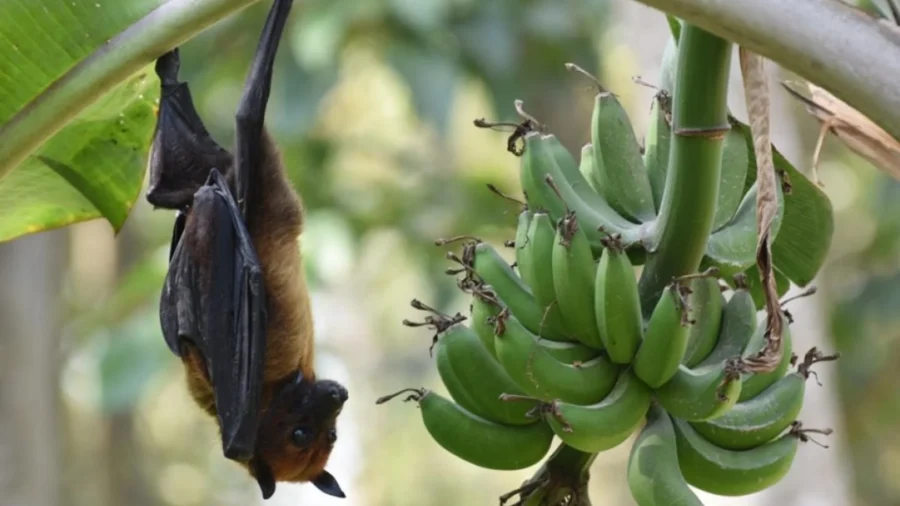
First identified in Malaysia in 1998, the virus is primarily carried by fruit bats (Pteropus species) and can be transmitted to humans through direct contact with bats or contaminated food.
Symptoms
Nipah virus infection typically begins with non-specific flu-like symptoms, making early detection difficult. According to the US Centers for Disease Control and Prevention (CDC), the incubation period ranges from four to 21 days, though longer delays have been reported.
Initial symptoms include fever, headache, muscle pain and fatigue. Respiratory problems such as cough, shortness of breath or pneumonia may also develop.
The most serious complication is encephalitis, or inflammation of the brain, which can lead to confusion, altered consciousness, seizures or coma. Neurological complications may appear several days to weeks after the initial illness.
Fatality and long-term effects
Nipah virus carries a high fatality rate, ranging from 40 to 75 per cent depending on the outbreak and viral strain. Survivors may experience long-term neurological effects, including persistent seizures or personality changes.
Rarely, encephalitis can recur months or years later due to relapse or viral reactivation, according to the UK Health Security Agency.
Prevention
There is currently no specific treatment or vaccine. Early detection, supportive care, and strict infection control measures are critical.
Authorities recommend avoiding contact with sick animals, practising good hygiene, and not consuming food that may be contaminated with bat saliva, urine or faeces.