










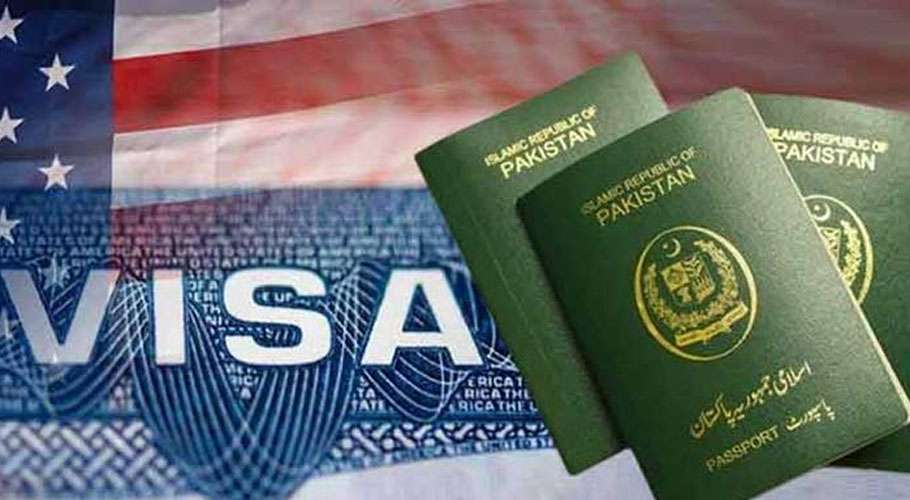
The United States has decided to suspend immigrant visa processing for Pakistan and 74 other countries for an indefinite period.
According to international media reports, the decision has been taken due to concerns over fraud, enhanced security vetting, and the potential burden on government systems.
The list of affected countries includes Afghanistan, Albania, Algeria, Antigua and Barbuda, Armenia, Azerbaijan, the Bahamas, Bangladesh, Barbados, Belarus, Belize, Bhutan and Bosnia.
Other countries on the list include Brazil, Myanmar, Cambodia, Cameroon, Cape Verde, Colombia, Cuba, the Democratic Republic of Congo, Dominica, Egypt, Eritrea, Ethiopia, Fiji, Gambia, Georgia, Ghana, Grenada and Guatemala.
Further countries impacted by the suspension are Guinea, Haiti, Iran, Iraq, Jamaica, Jordan, Kazakhstan, Kosovo, Kuwait, Kyrgyzstan, Laos, Lebanon, Liberia, Libya, North Macedonia, Moldova, Mongolia, Montenegro, Morocco and Nepal.
The list also includes Nigeria, Nicaragua, the Republic of Congo, Russia, Rwanda, Saint Kitts and Nevis, Saint Lucia, Saint Vincent and the Grenadines, Senegal, Sierra Leone, Somalia, Sudan, Syria, Tanzania, Thailand, Togo, Tunisia, Uganda, Uruguay, Uzbekistan and Yemen.
It is worth noting that the United States has cancelled more than 100,000 visas so far this year. These include approximately 8,000 student visas and around 2,500 visas issued to individuals found to have violated US laws in one form or another.
According to the US State Department, visa cancellations and deportations will continue as part of efforts to maintain national security.
The department stated on its official X account that strict monitoring of visa holders will remain in place, even after entry into the United States, to identify arrests, convictions or other legal issues.
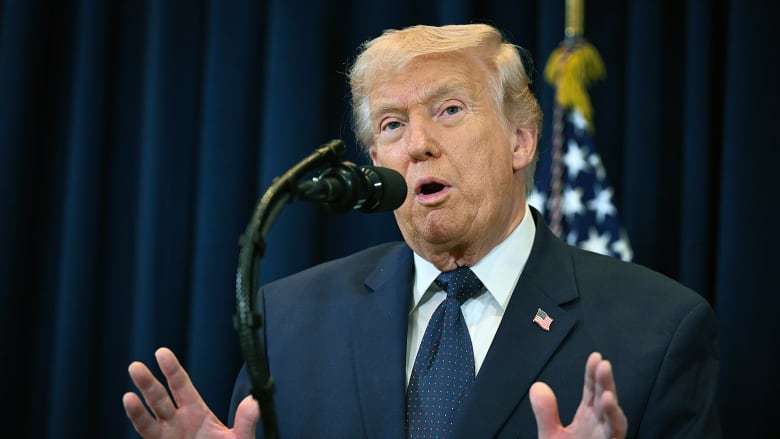
This move comes amid tighter immigration and visa policies introduced during the Trump administration, under which tourist, student, skilled work and other visa categories have been increasingly scrutinised. India, which has one of the largest numbers of US visa holders, is among the countries directly affected by this policy shift.