









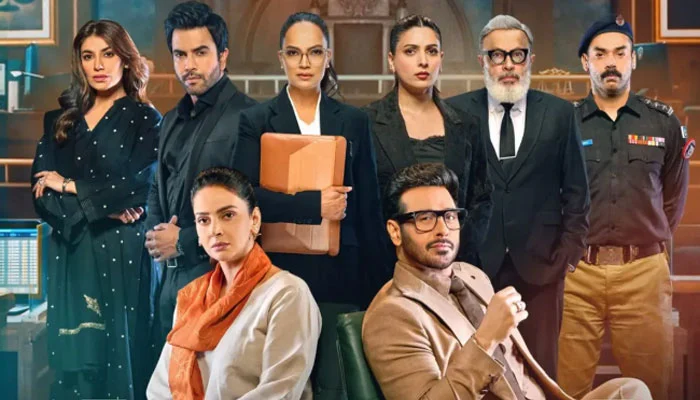
The acclaimed Pakistani drama Case No. 9, which aired its gripping finale on January 8, 2026, has not only shattered viewership records but also sparked vital conversations about justice, power dynamics, and victim-blaming in the country.
Produced by 7th Sky Entertainment for Geo TV, the series written by renowned journalist Shahzeb Khanzada in his scripting debut concluded with protagonist Sehar Moazzam (Saba Qamar) securing a hard-fought victory against her assailant, the influential Kamran Haider (Faysal Quraishi).
ADVERTISEMENTView this post on Instagram
Despite Kamran’s desperate tactics, including manipulating public sentiment through religious rhetoric and attempting to flee, the court delivered accountability, reinforcing the drama’s core message: justice, though delayed, must prevail.
Achieving a peak TRP of 10.14 and an exceptional 9.3/10 rating on IMDb, one of the highest for any Pakistani drama, the show has been hailed for its unflinching portrayal of sexual assault and the systemic barriers survivors face.
Saba Qamar’s nuanced performance as a resilient survivor earned widespread acclaim, while Faysal Quraishi masterfully embodied a manipulative antagonist, highlighting how privilege and influence often shield perpetrators.
At its heart, Case No. 9 speaks volumes about Pakistan’s evolving societal consciousness.
In a country where sexual violence remains a stark reality often compounded by stigma, corrupt institutions, and victim-shaming, the drama’s massive popularity signals a growing public appetite for stories that confront these taboos head-on.
Unlike many mainstream serials criticized for romanticizing abuse or perpetuating stereotypes, this series aligned with a progressive tradition seen in past hits like Udaari (child abuse), Cheekh (rape and murder), and Ruswai (gang rape), yet pushed boundaries further by depicting a survivor’s triumph without compromise.
The finale’s emphasis on evidence, media accountability, and legal victory underscores a hopeful narrative:
Pakistani audiences are ready to reject excuses like “playing the religion card” and demand real change.
Its success reflects maturing viewer preferences, where entertainment doubles as social commentary, fostering empathy and advocacy.
As Aik Aur Pakeezah, another socially charged drama tackling issues like digital harassment, takes over the slot, Geo TV’s commitment to impactful storytelling continues.
In an era of challenges, Case No. 9 proves that Pakistani television can be a powerful mirror and catalyst for progress, empowering voices long silenced and inspiring a nation to prioritize justice over silence.