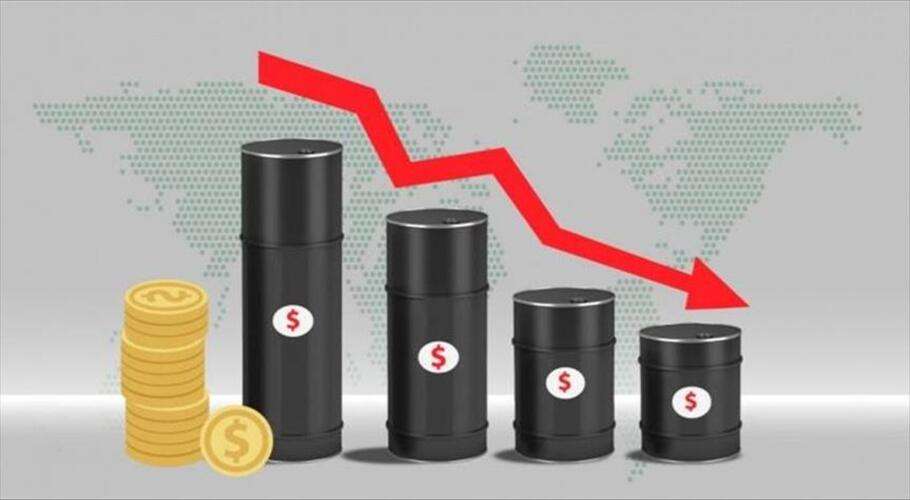












In Pakistan, inflation declined for the second consecutive month in December, with the overall Consumer Price Index (CPI) easing to 5.6 percent.
The primary reason for this decline was a significant drop in the prices of perishable food items. However, rising housing costs and persistently high core inflation highlighted the continued pressure on the economy.
Inflation stood at 6.1 percent in November and 6.2 percent in October, indicating a gradual slowdown.
ADVERTISEMENT
Despite this decline, the December inflation rate remained higher than the 4.1 percent recorded in December last year.
On a month-on-month basis, consumer prices fell by 0.4 percent in December.
The central bank has said the inflation outlook remains broadly unchanged, while the International Monetary Fund has cautioned against premature monetary easing under the $7 billion loan programme.
However, analysts caution that the relief remains uneven and potentially fragile.
While food prices have provided near-term comfort, core inflation indicators continue to signal underlying rigidity, especially in urban centres.
Segments such as education, health care, housing-related utilities, restaurants, and hotels were the key contributors to price increases, reflecting structural cost pressures rather than cyclical factors.