










The sudden death of Libya’s Chief of General Staff, Lieutenant General Muhammad Ali al-Haddad, in a plane crash in Turkey on Tuesday has cast a shadow over the future of Libya’s military stabilization and its growing strategic ties with Pakistan.
The tragedy occurred just as Pakistan and Libya finalized a historic defense cooperation agreement valued between $4 billion and $4.6 billion.
The deal, reportedly one of Pakistan’s largest-ever arms export packages, includes the sale of JF-17 Thunder fighter jets, Super Mushshak trainer aircraft, and various land and maritime military hardware.
The Crash
General al-Haddad was returning from a high-level defense visit to Ankara when his Falcon 50 business jet lost contact with air traffic control shortly after takeoff from Esenboğa Airport.
https://archive.mmnews.tv/libya-army-chief-killed-in-plane-crash-in-turkey/
Reports indicate the aircraft suffered an electrical failure before crashing near the Haymana district.
The loss is being described as a “national tragedy” for Libya.
Al-Haddad was a central figure in UN-backed efforts to unify Libya’s fractured military institutions. His death leaves a significant leadership vacuum in the western military command at a time when the country is struggling for internal cohesion.
Implications for Pakistan’s Strategic Interests
For Pakistan, the timing of this incident is critical.
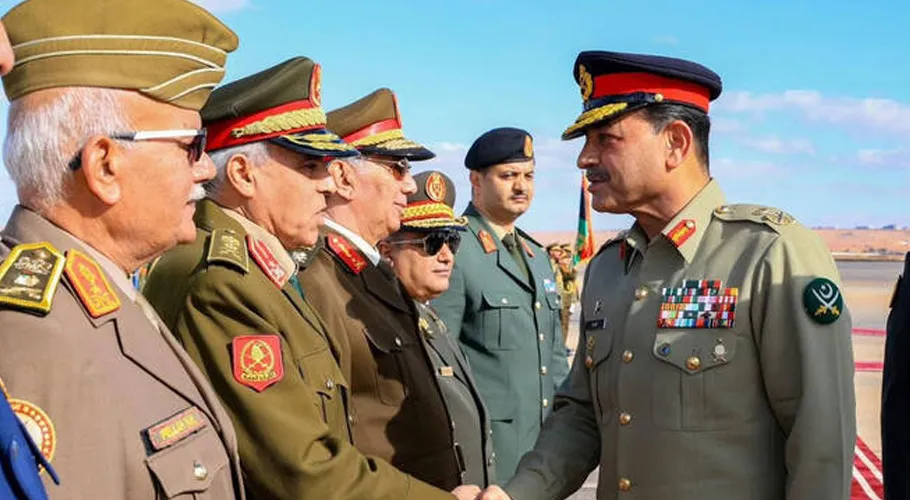
While the massive defense deal was recently concluded with the Libyan National Army (LNA) leadership in Benghazi, General al-Haddad’s role in the Tripoli-based administration was vital for broader military cooperation.
Leadership changes may lead to delays or a need for diplomatic re-engagement.
Pakistan has been aggressively pursuing “military diplomacy” to increase its influence in North Africa. This crash necessitates a cautious approach as Islamabad navigates the new power dynamics within Libya’s military hierarchy.
Libya serves as a primary market for Pakistan’s defense exports. Any internal instability following the general’s death could force Pakistan to adopt a more guarded stance regarding the delivery schedules and training programs.
Regional Consequences
The incident also impacts other major players.
Turkey: The crash occurred on Turkish soil following an official visit, creating a diplomatic and security vacuum in Turkey’s own strategic partnership with Libya.
Global Powers: The US and regional actors monitoring Libya’s counter-terrorism efforts now face a more complex landscape in the absence of a key mediator like al-Haddad.
Pakistan’s Foreign and Defense Ministries are expected to monitor the situation closely, as the restoration of a “communication bridge” with the new Libyan military leadership becomes a top priority to ensure the continuity of the multibillion-dollar partnership.