










The Pakistan Flour Mills Association has raised serious concerns over the wheat food pass policy for 2025–26, calling for immediate government attention.
In a statement, the association said that for the first time traders have been included alongside flour mills in wheat quota allocations, but no clear limits or regulations have been set for traders. This, it said, has created serious questions about transparency.
According to the association, traders are benefiting unfairly from the Sindh government’s wheat subsidy. The government supplies a 100-kg wheat bag at Rs8,000, but traders are selling the same wheat to flour mills for around Rs9,500. The association questioned where the additional Rs1,500 per bag is going.
The government has allocated Rs85 billion for wheat subsidies, but the association said it is unclear who is actually benefiting from this amount. It added that flour mills have not yet received wheat supplies, while traders are being provided wheat on a regular basis.
The association also expressed concern over the poor condition of wheat stored at the Landhi warehouse. It said the wheat is nearly four years old and deteriorated, posing a potential risk of food poisoning. Despite repeated letters and requests for meetings, the association said the food department has refused a joint inspection.
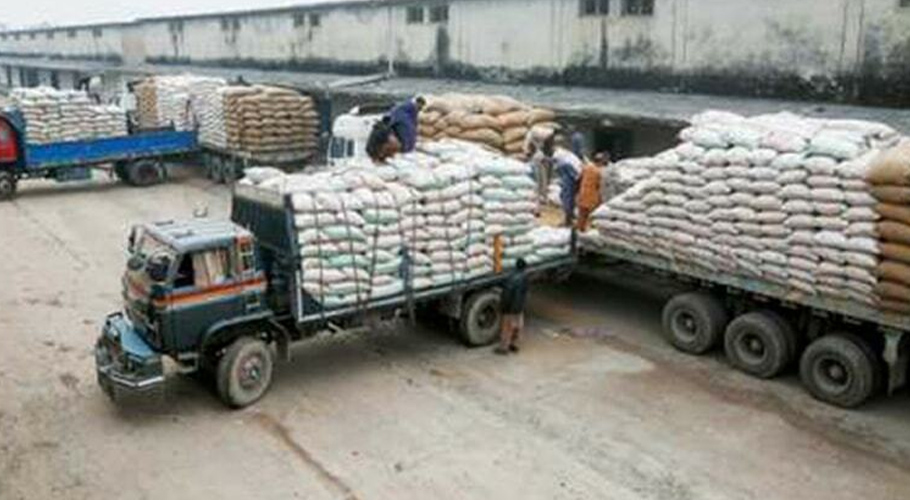
It further stated that flour mills in Sindh are being allocated only 8,000 to 15,000 wheat bags, half of which are reportedly damaged. At the same time, traders are transporting hundreds of thousands of tonnes of wheat from Karachi and other parts of Sindh to Punjab and Khyber Pakhtunkhwa.
The association said this means the subsidy meant for Sindh’s population is instead benefiting traders.
The Flour Mills Association has demanded that wheat allocations to traders be cancelled immediately and that all available wheat be supplied directly to flour mills to meet public needs.
The association also questioned official stock figures, stating that while food department records show 5.11 million tonnes of wheat in storage, the actual quantity is between 7.5 and 8.5 million tonnes.
It called for a transparent investigation, saying the extra stock could meet the province’s food needs for three months.
The association urged the government to stop wheat quotas for traders and ensure fairness and transparency in wheat distribution so that the public receives its due share.