










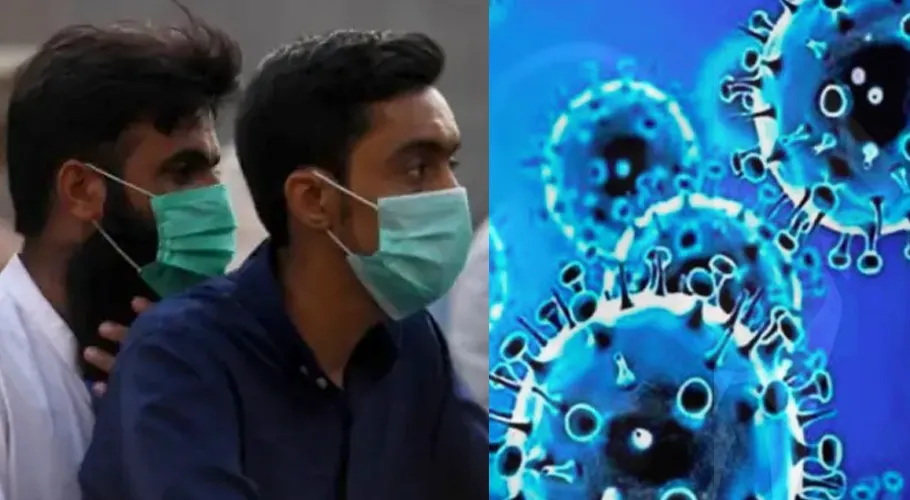
Health authorities in Pakistan have confirmed the presence of a rapidly spreading “super flu,” identified as the influenza A (H3N2) virus, specifically an emerging subclade known as ‘K’.
This variant is driving a sharp increase in flu cases across the country, especially in urban centers like Karachi and Lahore.
سپر فلو کیا ہے اور کتنا خطرناک ؟
ڈاکٹر خانانی نے علاج اور احتیاط بتادیں#SuperFlu #DunyaBOLHai #BOLNews @faisalkarimlive@sadiyasamson pic.twitter.com/s4TGoRRIQs— BOL Network (@BOLNETWORK) December 15, 2025
The H3N2 subclade K is the primary variant currently circulating in Pakistan, mirroring global trends.
While the current data does not indicate that this specific subclade causes more severe disease than previous strains, its early and rapid spread suggests a potentially intense flu season.
Health experts emphasize caution but state there is no need for panic. No deaths directly linked to this specific variant have been reported in Pakistan so far, though hospitalizations for flu and chest complications have risen.
Symptoms
Symptoms are typical of the flu and include sudden onset of high fever, severe muscle and joint pain, headache, extreme tiredness, dry cough, and a sore throat.
Super Flu Virus Spread in Pakistan | Symptoms & How to Avoid H2N3 Viral? Must Watch Full Video#SuperFlu #H2N3Virus #FluSymptoms #VirusSpread #HealthAwareness #PakistanNews #CapitalTV pic.twitter.com/VCSWwdqzLK
— Capital TV (@CapitalTVLive) December 15, 2025
Children often act as super-spreaders within households, transmitting the virus to elderly family members and those who are immunocompromised, who are at higher risk of complications.
Health Advice and Prevention
Health experts and the World Health Organization (WHO) recommend standard preventive measures:
Vaccination
The seasonal influenza vaccine is strongly recommended for everyone over six months of age, particularly high-risk groups (the elderly, pregnant women, young children, and individuals with chronic illnesses).
Even if the strain is antigenically different from the vaccine, the shot still reduces the risk of severe disease and hospitalization.
Hygiene Practices
- Wear a mask in public and crowded places.
- Wash hands frequently with soap and water.
- Maintain proper ventilation in indoor rooms.
- Distance yourself from people with symptoms.
- If Symptomatic
- Stay home and rest.
- Drink plenty of hot liquids and maintain good hydration and nutrition.
- Do not self-medicate with antibiotics; they are not effective against viruses.
- Seek medical care early, especially if symptoms last longer than a few days or worsen, particularly with shortness of breath.
(This is for informational purposes only. For medical advice or diagnosis, consult a professional.)